MAIN CONTENT
Searching across a shattered mountain corridor
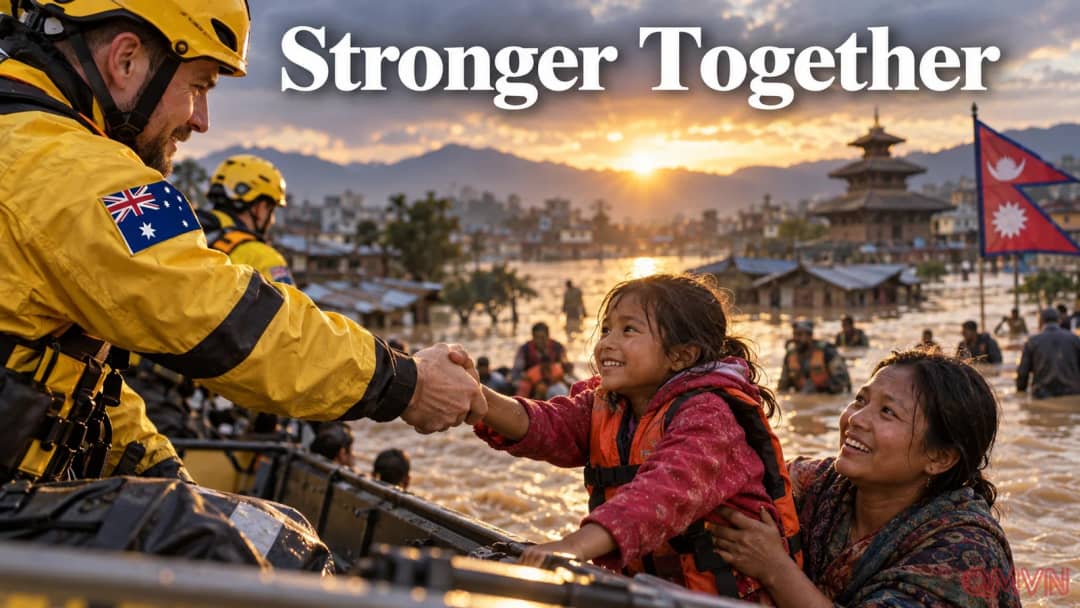
The August 26 disaster, linked by authorities and news agencies to a glacier collapse, sent water, rock and mud through valleys near the Nepal-Tibet border. Thousands were reported missing, while roads and bridges disappeared and isolated communities became even harder to reach. For Australian families, a mobile-phone coordinate, hotel register or tour-company record can become an essential clue. Some relatives have flown to Nepal, hired helicopters and examined the areas where their loved ones were last believed to have travelled, reflecting both the depth of their anxiety and their determination to keep searching.
The Gyirong crossing, the road toward Syabrubesi and settlements along the Trishuli valley have become important areas of attention. Many missing Australians had been travelling on pilgrimages to Mount Kailash or on organised mountain tours. ABC reported that six Australians previously uncontactable had been confirmed safe during the week, while 36 remained missing on September 5. With information changing quickly, careful verification remains essential. In a disaster involving thousands of missing people, premature claims about an individual's fate can spread rapidly and deepen the anguish of families waiting for reliable news.