MAIN ARTICLE
A mother’s suitcase and a promise to return
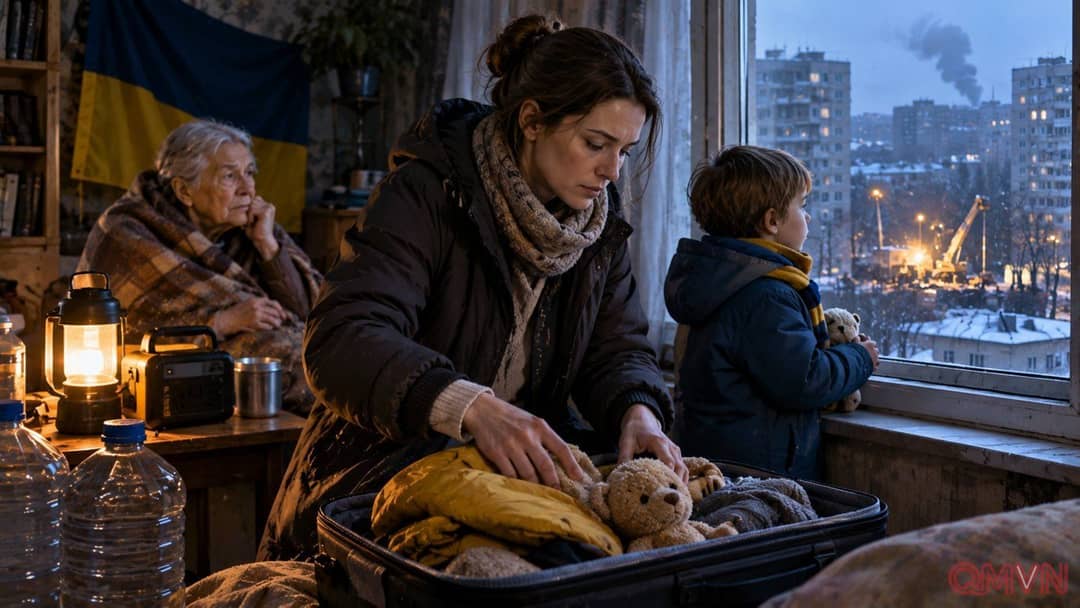
Matvii Yermolenko is only two, yet he already knows the words for sirens and air defense. His mother, Kateryna Tsvihun, 41, says leaving Kyiv does not mean losing her attachment to the city. After years of explosions and electricity cuts, she cannot bear the thought of her small child facing another winter without reliable heating. Her husband has served in the military since 2022, leaving her to organize the family’s temporary move to Albania.
She is packing practical clothes and a handful of toys rather than a lifetime of possessions. Tsvihun has passed her portable power station, power banks and rechargeable lights to relatives staying in Kyiv. That simple handover captures a wartime paradox: even people who depart must think about how to sustain those who remain. She intends to return in spring, when the threat of extreme cold has passed.
AP reported that an attack near a subway station where mother and child often walked made the danger particularly tangible. For a young child, safety means more than distance from a shelter. It includes uninterrupted sleep, warmth and the ability to reach a doctor when needed. A temporary journey can therefore be an act of caregiving rather than an abandonment of home.