Businesses caught between two governments
According to Robin Hu, companies must invest, sign contracts and move production while the two governments negotiate. Boards need to know what can proceed now, what remains conditional and what could stop the business after the money has been spent.
The author notes that Washington is reportedly slowing aircraft parts licensing for Commercial Aircraft Corporation of China (Comac) to press Beijing over rare earth restrictions. In his view, the uncertainty helps Washington negotiate but leaves suppliers unable to promise customers a delivery date.
From Busan to new trade channels
The author reviews recent steps in US-China trade relations:
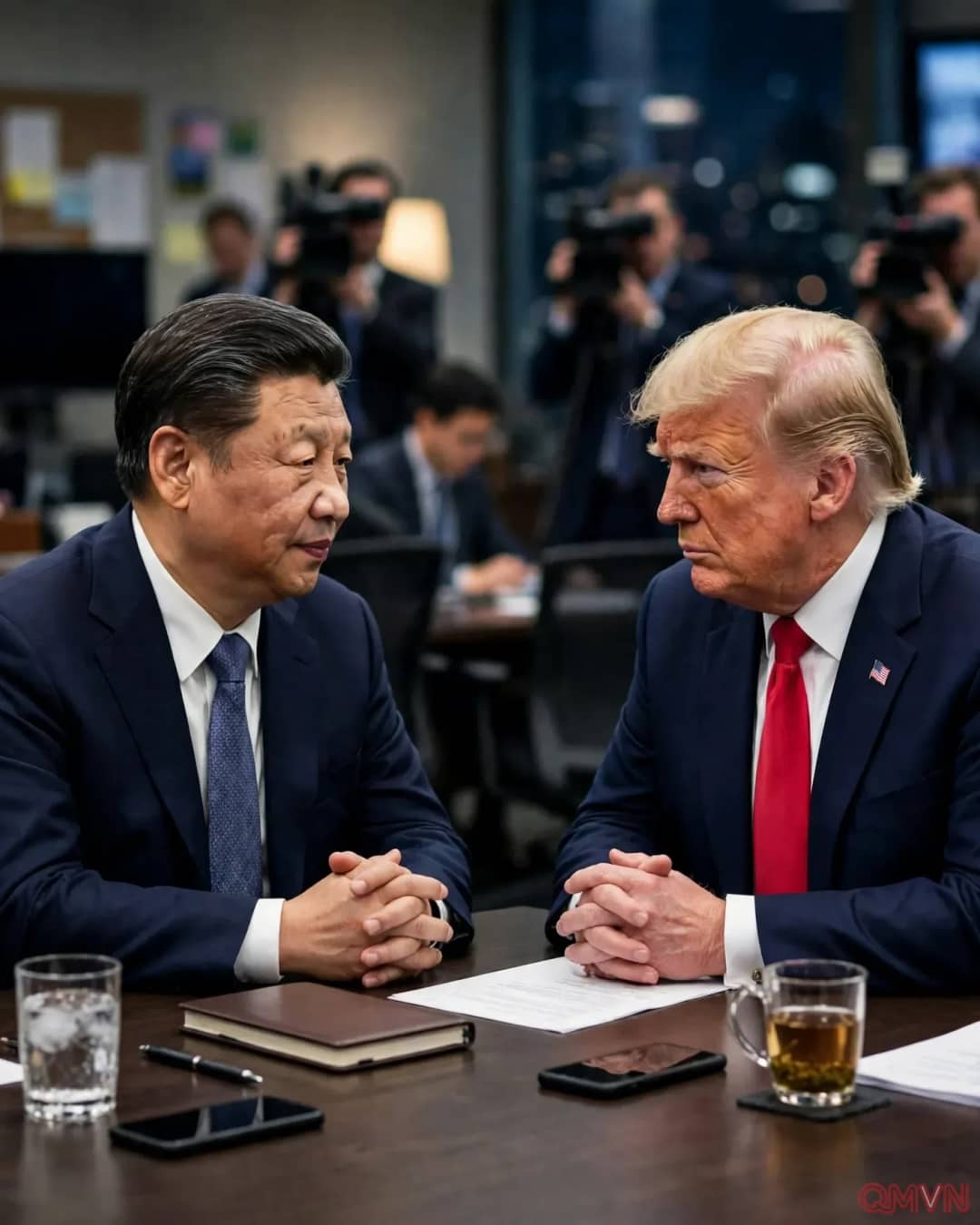
- In Busan last October, the leaders eased tariffs and suspended several measures for a year, including rare earth controls and port fees.
- In May this year, the two sides set up trade and investment boards to handle issues between summits.
- They agreed a framework to lower tariffs on US$30 billion of non-sensitive goods in each direction.
- The truce was extended to January 10, but only by two months.
According to the author, these steps reduced immediate dangers but did not resolve the disputes, and businesses still need clarity on what they can act on.