Twenty-three fateful minutes
At around 8:30 a.m. on Wednesday, the LZB automatic safety system failed along a 63-kilometer stretch of track south of the city of Toledo. As designed, the six trains running on that stretch were automatically halted because of a computer communications failure. Among them was an Iryo express train carrying 147 people, which stopped at a red signal.
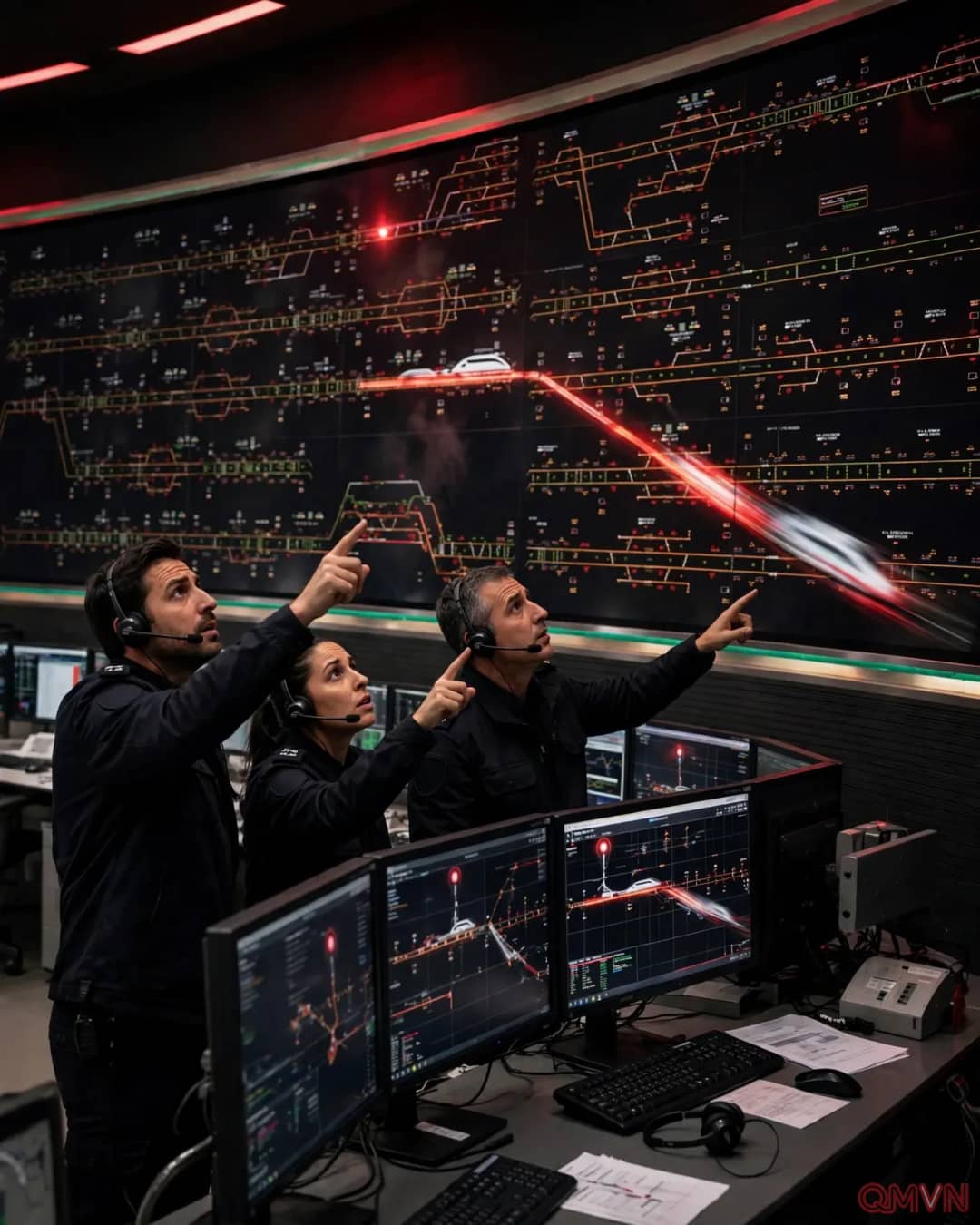
Controllers at the 24-hour control center of state infrastructure operator Adif, at Madrid's Atocha station, switched to manual control. At 8:36 a.m., the Renfe train from Madrid to Seville, with 397 people aboard, was authorized to continue even though the Iryo ahead was at a standstill. The Renfe train picked up speed to as much as 200 km/h over 25 kilometers before ploughing into the back of the Iryo at around 8:53 a.m., between the towns of Mora and Orgaz, about 118 kilometers south of Madrid by rail. Three carriages plunged down an embankment. At least 69 people died, more than 100 were injured, and high-speed service between Madrid and Andalusia was suspended.
Controversial recordings
In audio recordings of communications between the Adif control center and the train drivers leaked to local media, the controller appears to order the Renfe train to go ahead without checking whether the Iryo train had moved. The controller also appears to tell the Renfe train to continue at normal speed, when protocol calls for a train to travel at about 40 km/h – slow enough for the driver to brake in time if an obstacle appears.