MAIN CONTENT
Inside a Vox rally
In Badalona, a working-class city north of Barcelona with a large immigrant population, Vox supporters filled a meeting hall to the sound of the campaign anthem "National Priority", which casts ordinary Spaniards as defenders of their country rescued by Abascal's party. The crowd waved red-and-yellow Spanish flags alongside Vox's green banners.
Those attending described varied motivations. A father of six working in sales said he was drawn by the party's defence of Spain's Catholic roots, while a young law student said she had overcome the taboos associated with Vox and now saw it as a party capable of real change. One young man wore the jersey of Lamine Yamal, a national football star born to immigrant parents.
The headline speaker was Carlos Hernández Quero, a young historian who has become one of the party's leading voices on immigration and housing. He argued that the arrival of millions of migrants had weakened working-class prospects, strained welfare services and pushed up housing demand, blaming the left for what he described as the decline of public services.
From the fringe to the threshold of power
Founded in 2014, Vox has grown from a marginal force into Spain's third-largest party. It already holds executive roles in several regional governments, where it has pushed the concept of national priority in access to public aid, though in some regions pacts with the PP have defined it as preference by length of residence rather than nationality.
Its rise mirrors a wider European trend. Like Marine Le Pen's National Rally in France, Vox has moved from protest to potential partner in government, and elections in Italy, Greece and Poland in the coming year will further test the strength of nationalist and anti-immigration parties.
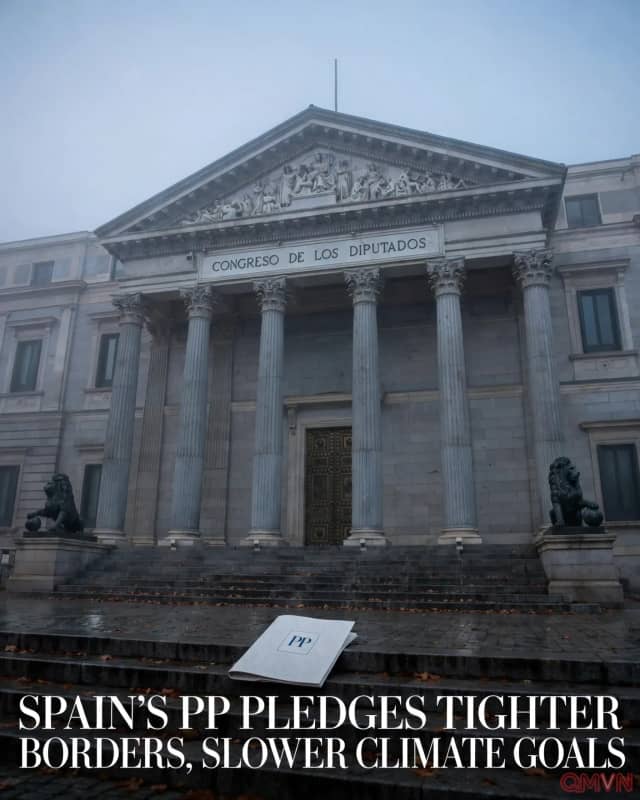
If the PP falls short of a majority, Vox could become kingmaker, backing Feijóo as prime minister in exchange for a coalition role and a tougher migration policy. Political scientist Steven Forti of the Autonomous University of Barcelona has warned that such a government would mark another step in the normalisation of the far right in Europe.
The fading power of an old warning
Sánchez has again placed the risk of a far-right role in government at the centre of his campaign, as he did in 2023. In an interview with El País, he said a PP government that included Vox would be an enormous step backwards, an allusion to the Franco era, when opponents were persecuted and elections abolished.
*“It would mean rolling back the clock 40, 50 years.” — Pedro Sánchez*
Yet analysts say the memory of the dictatorship holds less sway than it once did. Montserrat Nebrera, a political analyst and former senior PP figure in Catalonia, has observed that many voters no longer fear Vox and assume it would remain within the boundaries of a democratic state, whether or not that proves to be true.
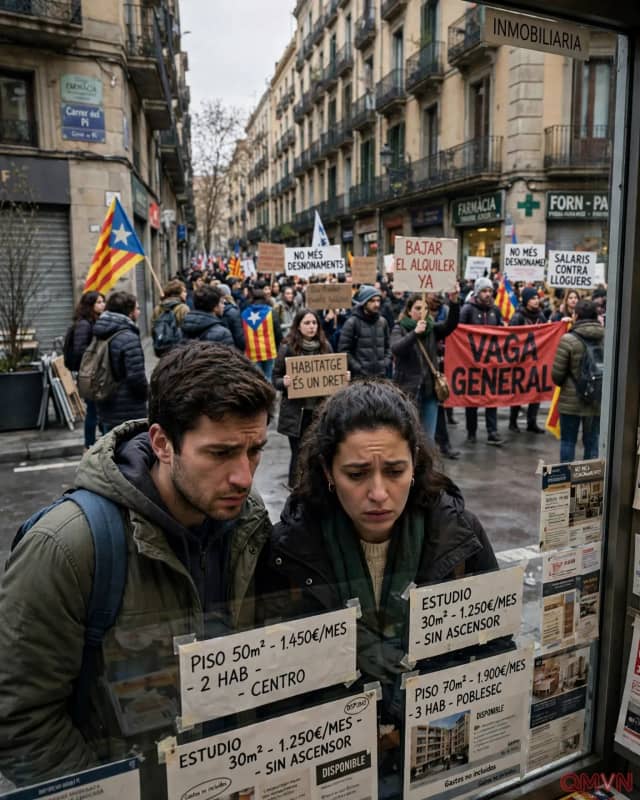
For younger Spaniards who have no direct experience of authoritarian rule, the election is shaped less by history than by present concerns: rents, wages, public services and a sense that the benefits of economic growth have not reached their households.
Migration at the heart of the contest
Sánchez stands almost alone among European leaders in defending migration as a source of economic growth, cultural enrichment and human rights. His government's regularisation of about one million undocumented people was backed by business groups and Catholic bishops, who argued that it would bring workers into the formal economy.
Vox has seized on border pressures to argue the opposite. Abascal described the crossing of tens of thousands of mostly young Moroccans into Ceuta in July as an invasion, and he opened his campaign in the Canary Islands, where boat arrivals, mostly from Senegal, have risen this month. Some voters see these surges as proof that the amnesty encouraged more arrivals.
The Socialists hope housing costs will weigh more heavily than immigration fears. Party activists say many voters value the role of foreign workers in health care and construction, and Sánchez has warned that Vox would also target abortion and euthanasia laws and green energy policies, broadening the stakes beyond migration.