MAIN CONTENT
A decision that redraws lines of authority
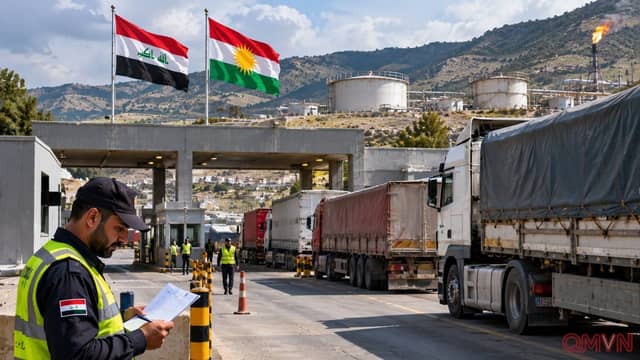
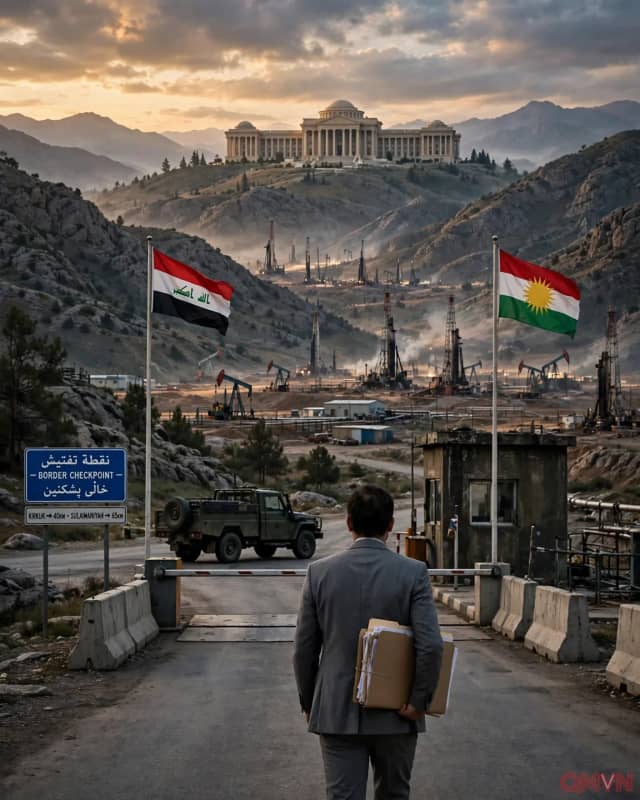
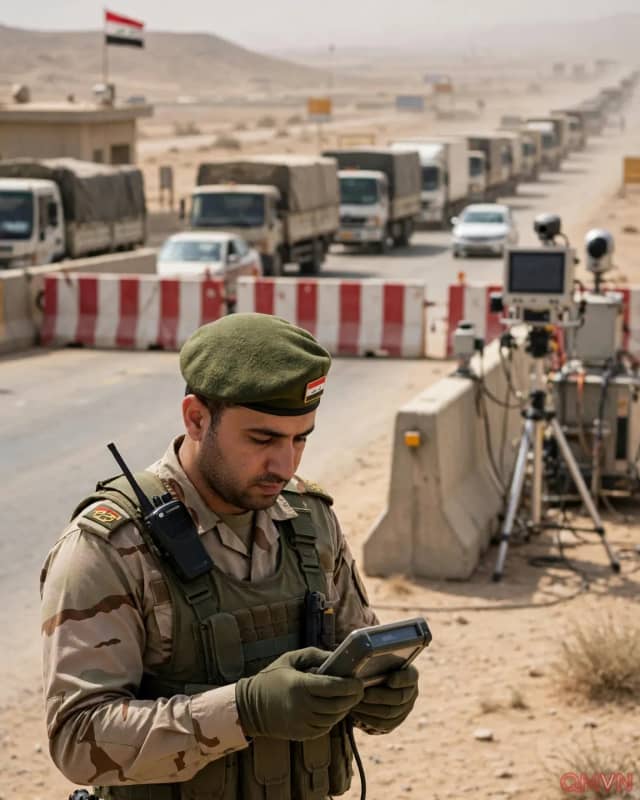
The measures announced on Tuesday reach into the heart of Kurdish self-government. Border crossings in the Kurdish region, both formal and informal, are to be managed by the federal authorities, and any oil exports from the region will need approval from the federal oil ministry in Baghdad.
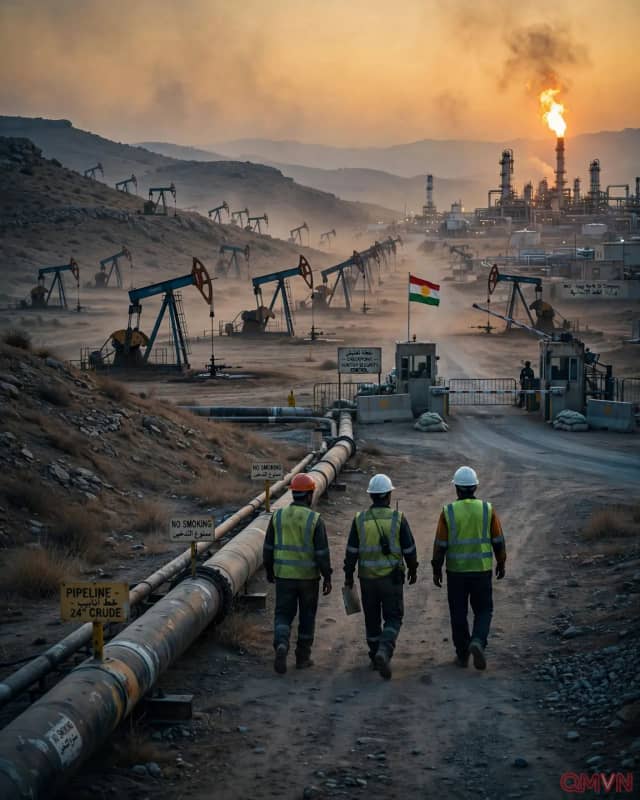
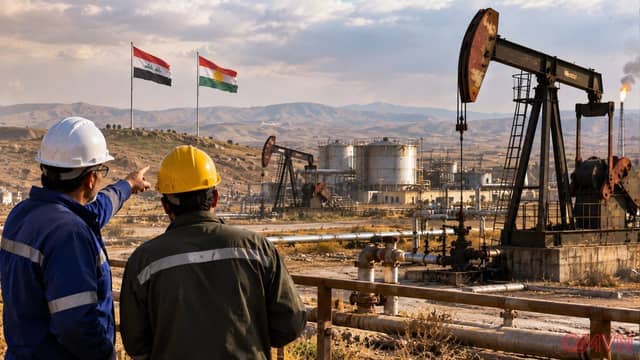
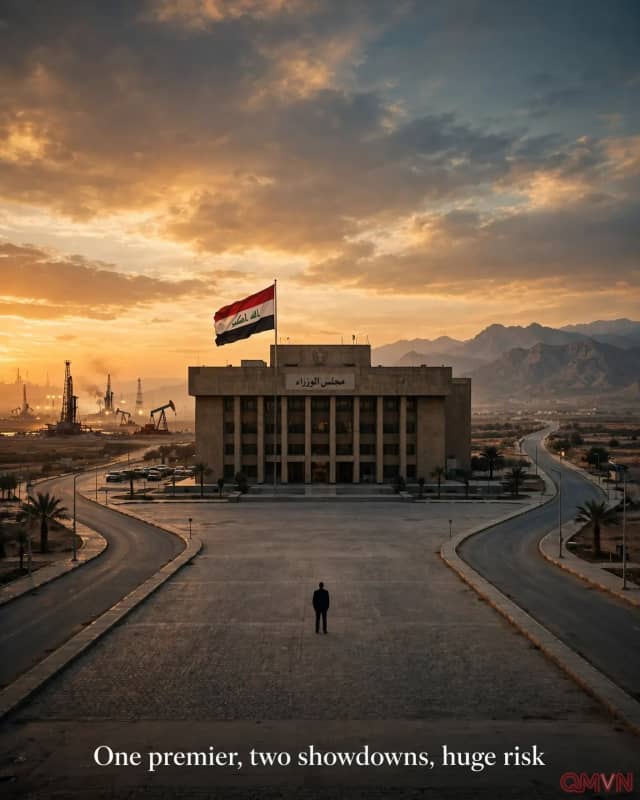
The government also moved to take over the management of oil fields in four provinces with large Kurdish populations or disputed status: Diyala, Kirkuk, Salahuddin and Nineveh. At the same time, al-Zaidi dismissed Kirkuk's operations commander and police chief, as well as the head of the Border Ports Commission.
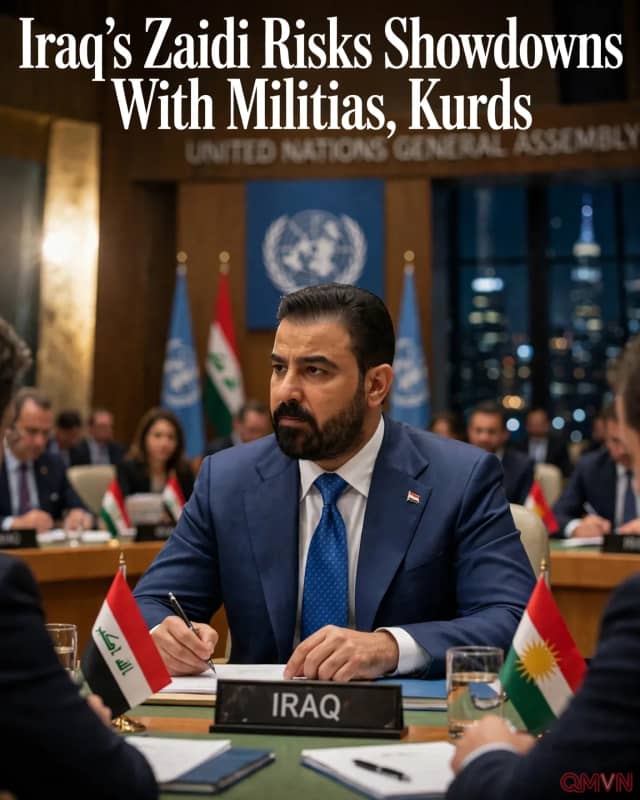
Defence ministry spokesman Major General Yahya Rasool said on Wednesday evening that al-Zaidi, as commander in chief, had ordered military units to deploy to Kirkuk and other provinces and directed that dirt roads used for oil smuggling be closed, signalling that the government intends to enforce the decision on the ground.
Kurdish anger and rare unity
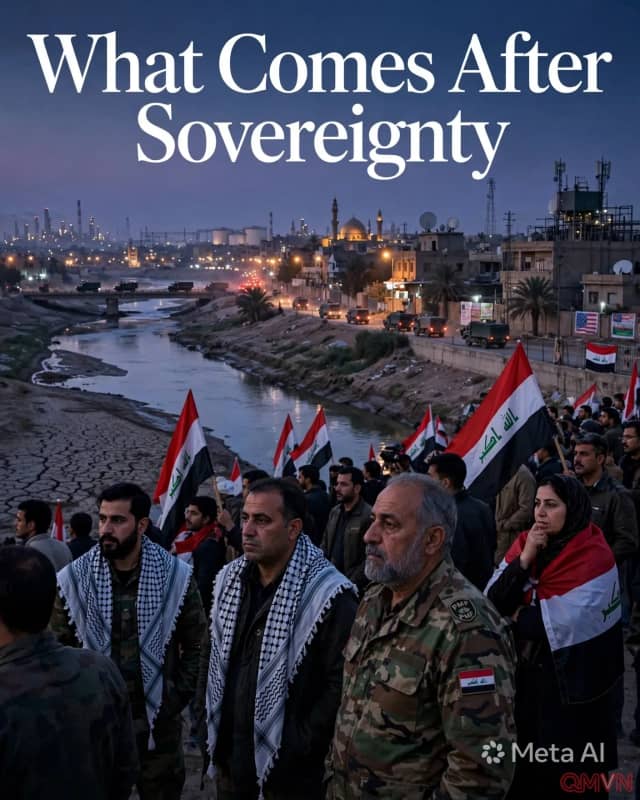
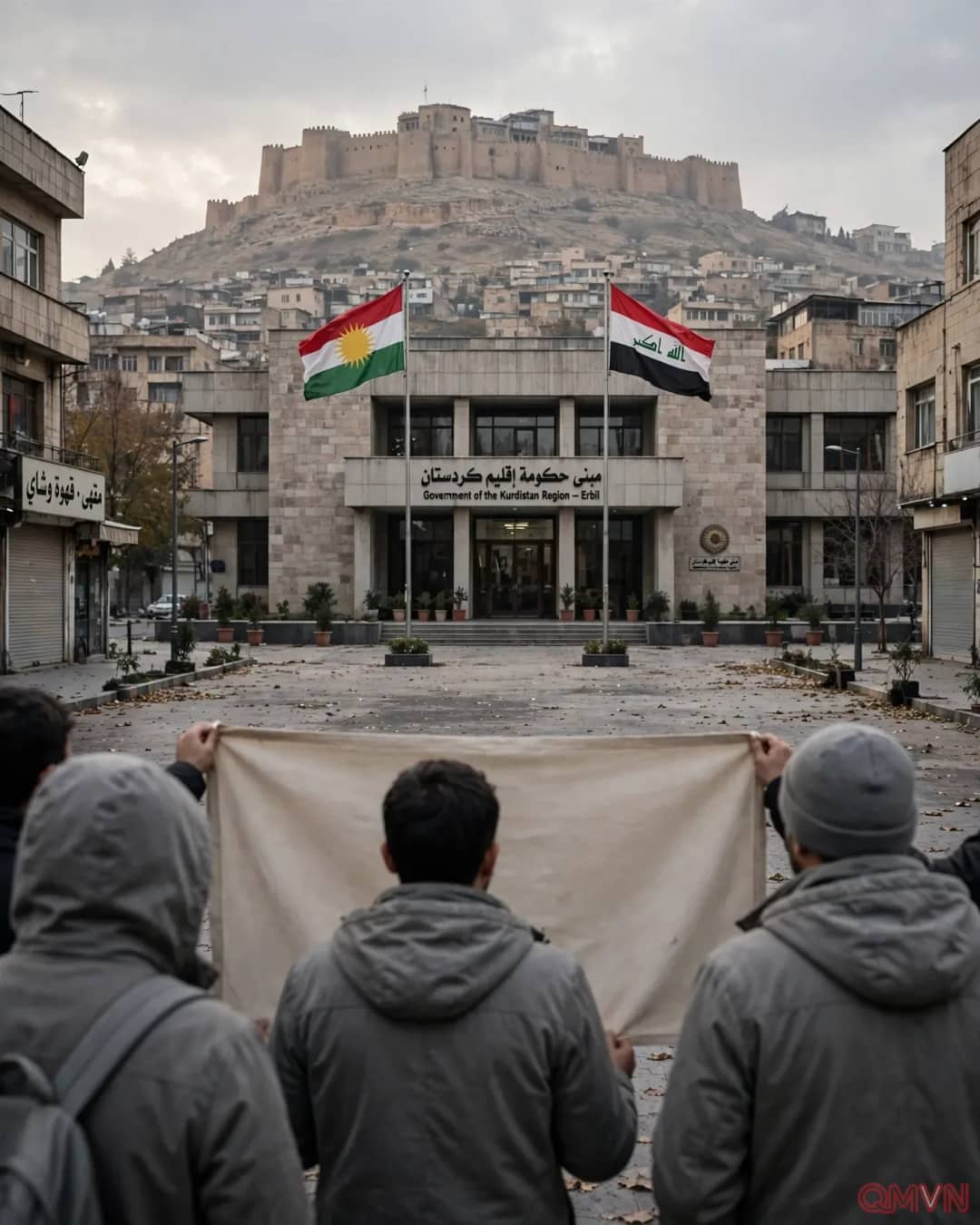
Demonstrators filled the streets of Irbil on Thursday, waving Kurdish flags and denouncing what they described as an assault on the region's rights. Many protesters saw the measures as a threat not only to the region's finances but to the autonomy that Kurds have defended for more than three decades.