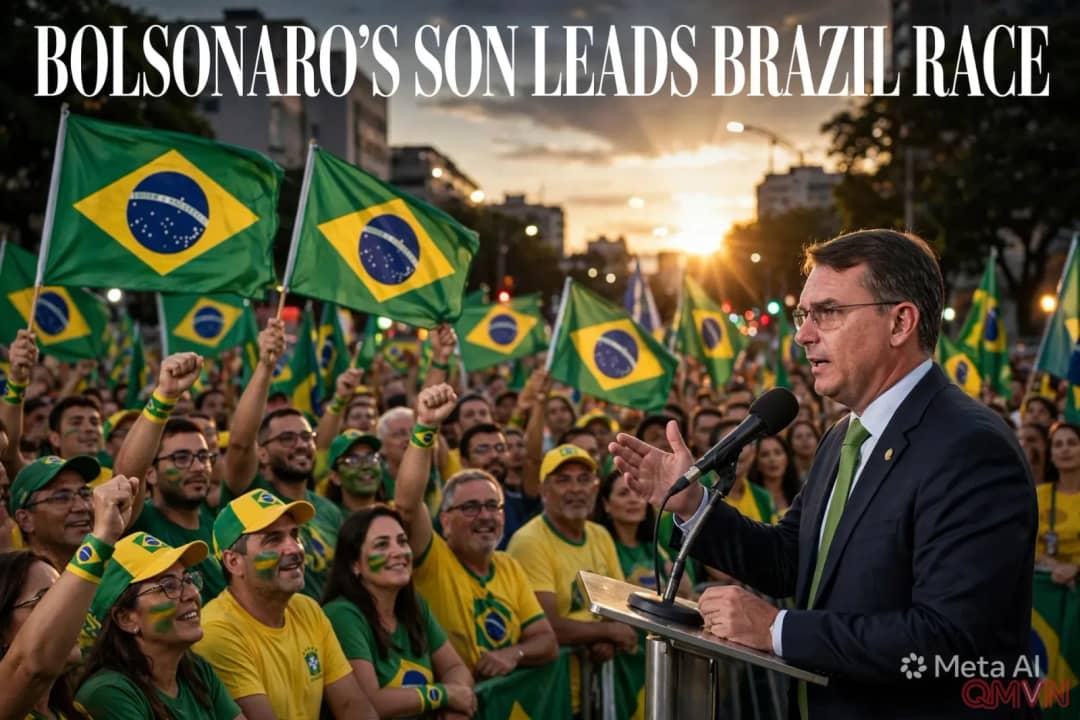
The conservative wave reaches Brazil
According to Oliver Stuenkel’s analysis, the arithmetic favours Flávio Bolsonaro. Most voters for the other candidates, around 8% in total, are unlikely to switch to Lula, who at 80 is seeking a fourth term. Another option for the former union leader would be to mobilize some of the 33 million Brazilians, 21% of the electorate, who abstained.
Lula’s problem is that he will find it hard to change voters’ image of him: he first ran for president in 1989 and has played a dominant role in Brazilian politics for decades. For many Brazilians, especially younger ones, he represents the establishment at a time when rejection of incumbent governments is strong across Latin America.
A vote of rejection
According to Stuenkel, the central dynamic of Brazil’s polarization today is fear and rejection of the other camp. In conversations with Bolsonaro voters, most cited opposition to Lula as one of the main reasons for their vote.
I would vote for a horse if it were running against Lula.