MAIN CONTENT
One community, three very different views of the crackdown
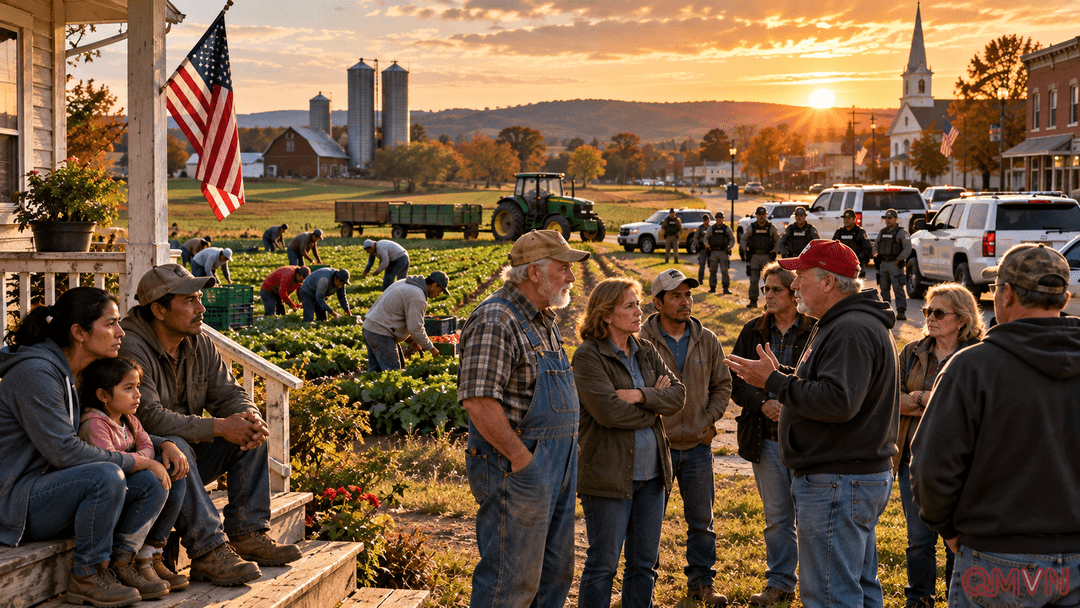
The AP-KFF survey, conducted from August 12 to 24, 2026, found no dominant rural verdict on the Trump administration’s immigration campaign. About one-third of voters said the policies had been positive for their communities, about one-third said they had been negative, and the rest reported little or no effect. That division is politically significant because rural America remains a major Republican stronghold, yet lived experience is making attitudes more complicated than campaign slogans alone would suggest.
Supporters tend to emphasize law, border control and the belief that public resources should prioritize U.S. citizens. Critics often point to coworkers, neighbors or relatives of friends who were deported despite having no serious criminal record. Those personal experiences can transform an abstract federal policy into the loss of a farmhand, a restaurant employee or a familiar family in a small town. In rural communities, where social and economic networks are tightly connected, enforcement can be felt quickly and personally.
Rural economies still depend heavily on immigrant labor
One of the clearest findings from the survey is that even politically conservative communities often take a pragmatic view of immigrants’ economic role. Roughly seven in ten rural voters say legal immigrants are very or somewhat important to their local economy, and a similar share say the same about temporary or seasonal agricultural workers.