MAIN CONTENT
Open-trade language in an age of technology rivalry
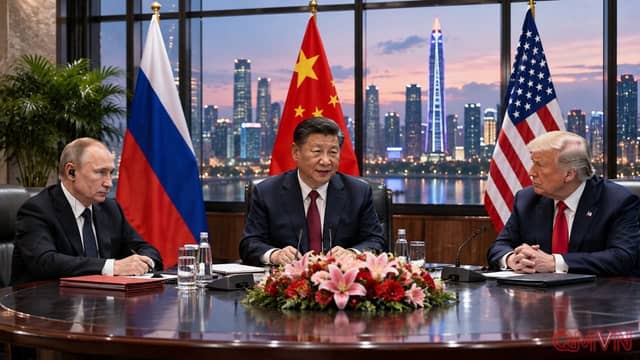
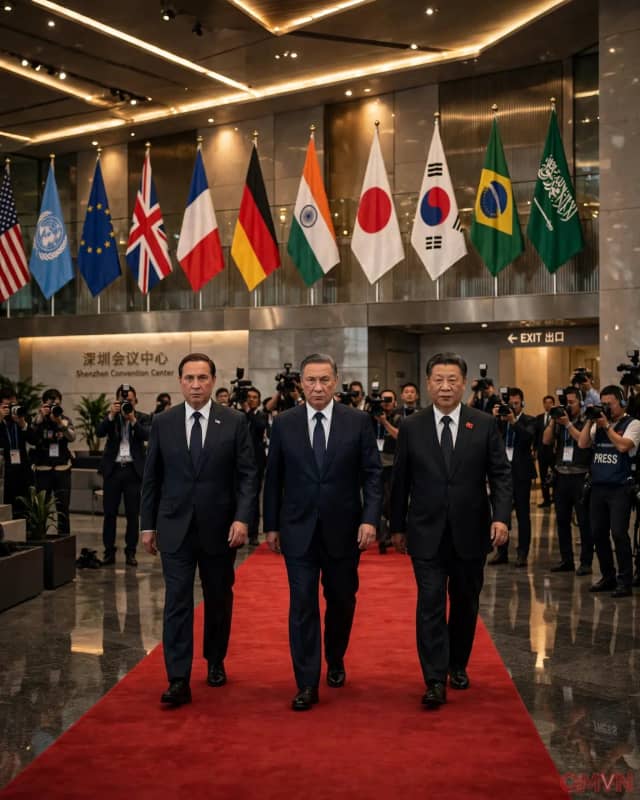
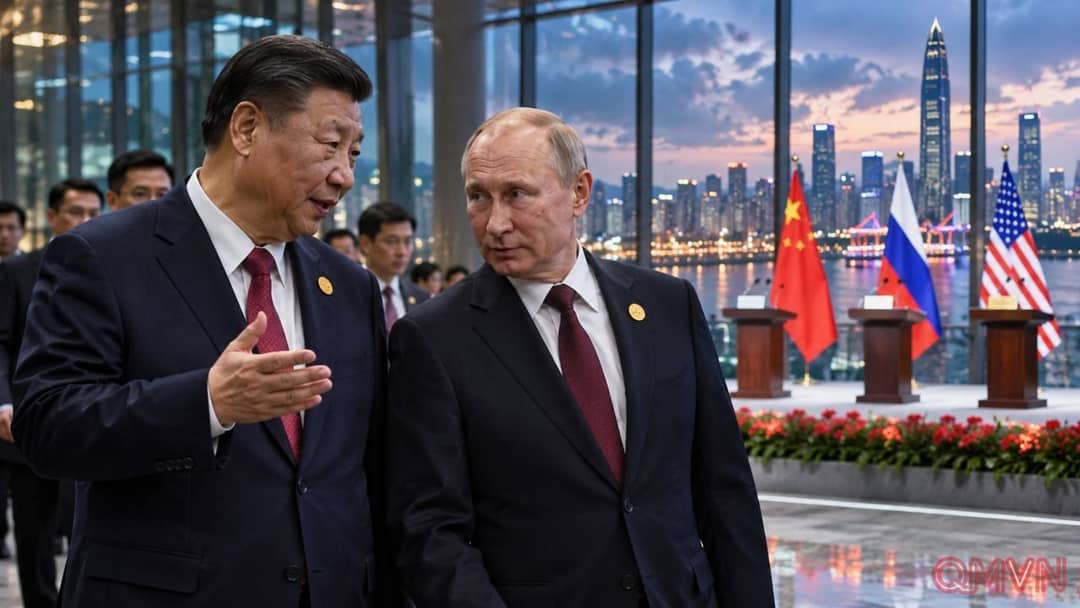
Addressing business leaders at APEC, Xi defended a multilateral trading system centered on the World Trade Organization and emphasized stable supply chains. He also promised further market opening. The choice of words was deliberate: Beijing wants to be seen as a defender of globalization while Washington increasingly treats tariffs and export controls as instruments of economic security. Yet the meaning of openness depends on more than speeches, particularly when trading partners disagree over subsidies and access to markets.
Xi spoke after Washington announced further limits on China's access to advanced artificial intelligence chips. Semiconductors are not merely another export category; they shape the ability to build AI systems, data centers and future industries. Beijing considers technological development a strategic priority, while the United States argues that restrictions on certain capabilities protect national security. The resulting dispute shows why promises of free trade cannot by themselves resolve disagreements over industrial competition, dependence and sensitive technologies.
Russia’s sanctions argument and its unresolved costs
Putin followed Xi with an attack on what he called former Western hegemons. He contended that sanctions had failed to crush the Russian economy and presented adaptation as a sign of resilience.