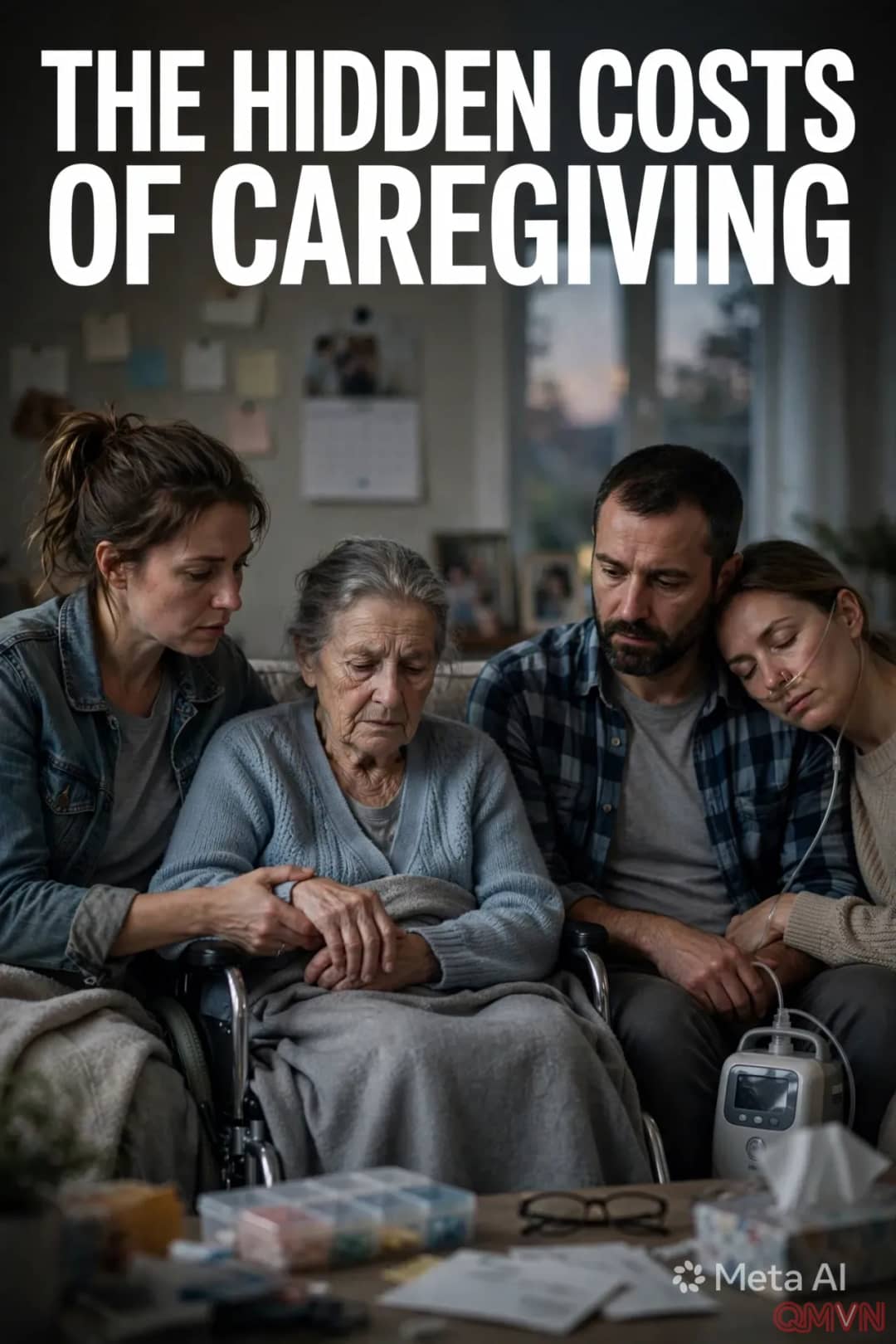
A burden far beyond direct costs
According to The Washington Post, caregiving takes many forms, from adult children caring for ageing parents to spouses taking on more daily responsibility for a partner in declining health. What begins as casual help can become a major commitment of time and money.
Mary Ware, managing partner and senior wealth adviser at Carnegie Private Wealth, said caregivers must consider what they may be giving up: salary, retirement contributions, employer matches, Social Security earnings and, potentially, years of compounding.
Notable figures
The 2026 Retirement Confidence Survey shows caregiving affecting retirement plans in two opposite directions:
- 24% of workers with caregiving responsibilities had moved their target retirement date later, compared with 17% of non-caregivers.
- 56% of retirees who had been caregivers left work earlier than planned, compared with 44% of non-caregivers.
- Social Security retirement benefits are calculated on the highest 35 years of indexed earnings, so years out of work may count as zeros.
Those who leave work early lose income and benefits, while those who stay longer often do so to replace lost wages or depleted savings.