MAIN ARTICLE
From shopping advice to an actual transaction
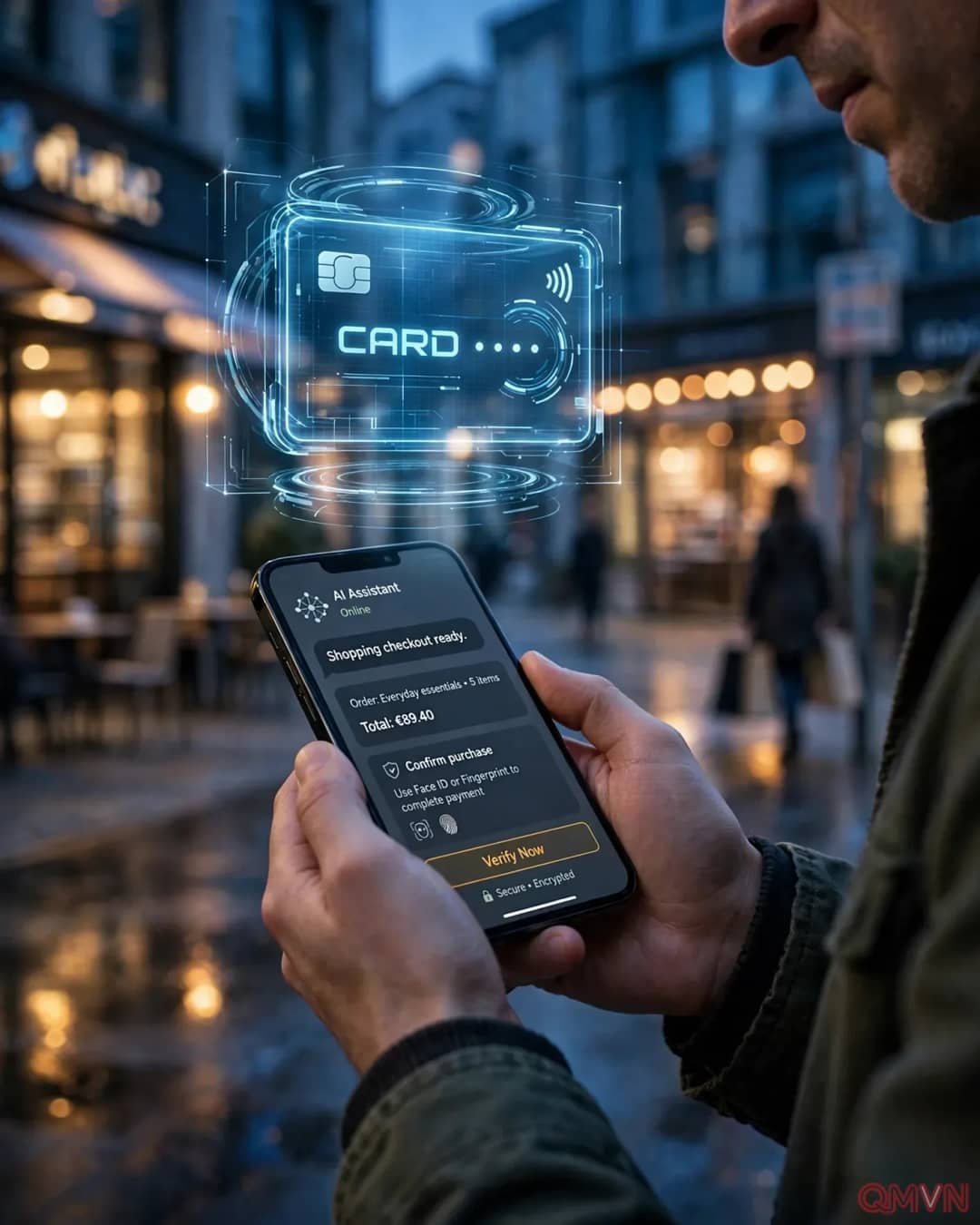
For years, conversational assistants could suggest products, summarize reviews and compare prices, but usually stopped before the final purchase. ChatGPT Wallet extends that workflow: once an agent has identified an appropriate option, a customer can proceed to payment without exposing a real card number to the agent. OpenAI describes the direction as agent-led commerce, in which software handles procedural work without displacing the customer's authority over a transaction.
The company says the initial experience is available through dots, its persistent AI agents. A user might ask for help finding a sweater or arranging a hotel stay; when checkout arrives, the agent prompts the user to set up and use the Wallet. This is not a general release to every ChatGPT conversation, merchant site or software product.
How payment safeguards are intended to work
Customers add a card through a secure enrollment form, rather than typing card numbers, security codes or bank verification codes into chat. Following approval, a payment network or other participating provider supplies a tokenized credential instead of the original card data.