MAIN ARTICLE
A funding setback, not the end of the campaign
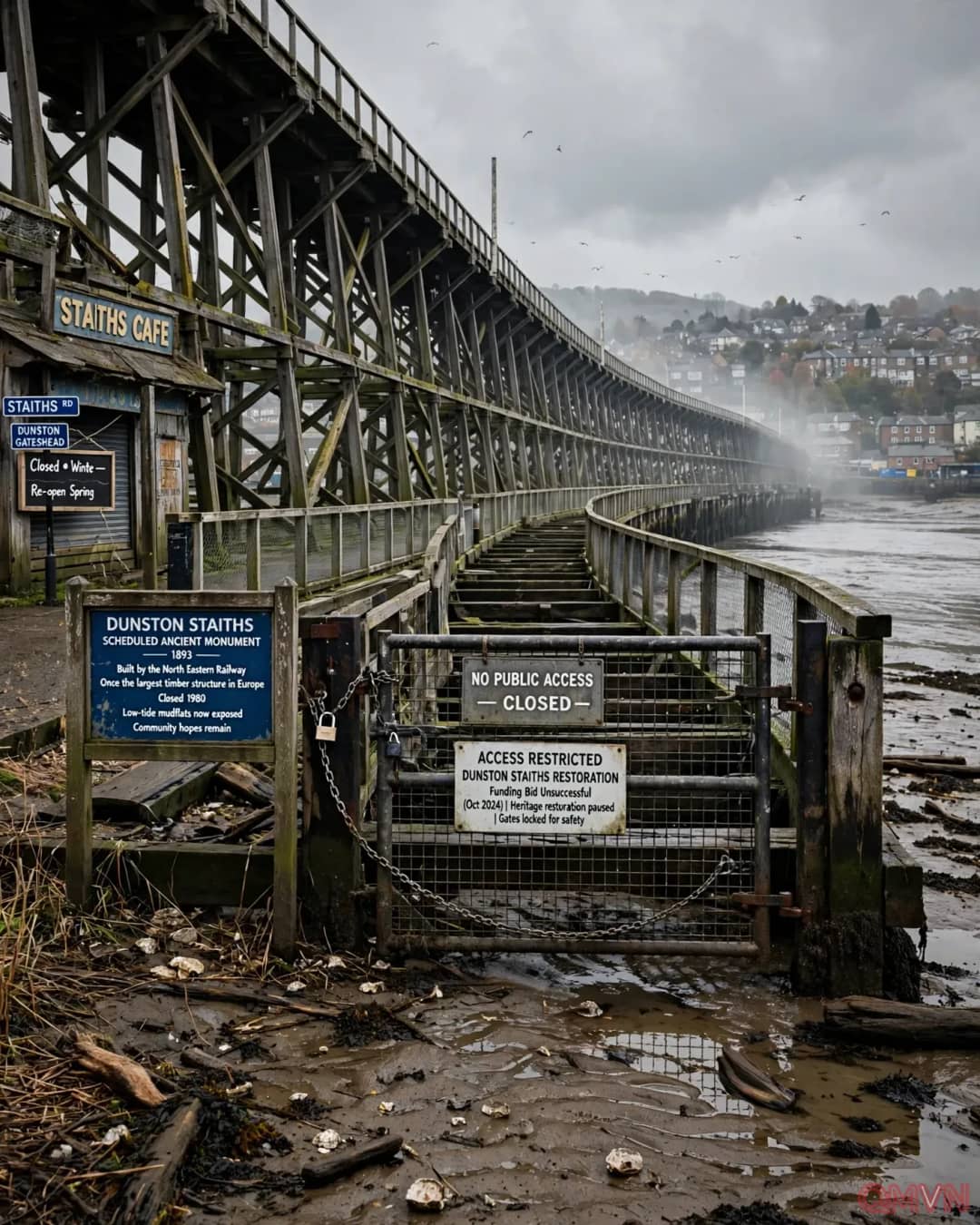
Clare Richardson, programme lead for the Tyne Derwent Way, said campaigners were disappointed but remained hopeful of a successful revised application. She said the original proposal received encouraging feedback; the decisive obstacle was competition for limited lottery heritage funds. The National Lottery Heritage Fund's published decisions for northern England separately record the Gateshead scheme as rejected. Rejection, therefore, need not mean the project lacked historical or community value.
Organisers expect to submit a scaled-down proposal early in 2027, with a decision anticipated around May. Gateshead Council had already signalled its intention to reapply in an October report. This second attempt will require sharper priorities: the work essential to keep people safe, activities that help communities understand the site, and ambitions that may need a longer funding horizon. The exercise is as much about designing a durable plan as it is about securing another grant.
An industrial giant becomes a public meeting place
Built in 1893, Dunston Staiths formed part of the infrastructure that made the River Tyne an artery of Britain's coal economy. More than 500 metres of timber allowed railway wagons to discharge coal into vessels below.