MAIN STORY
A vote, two competing interpretations
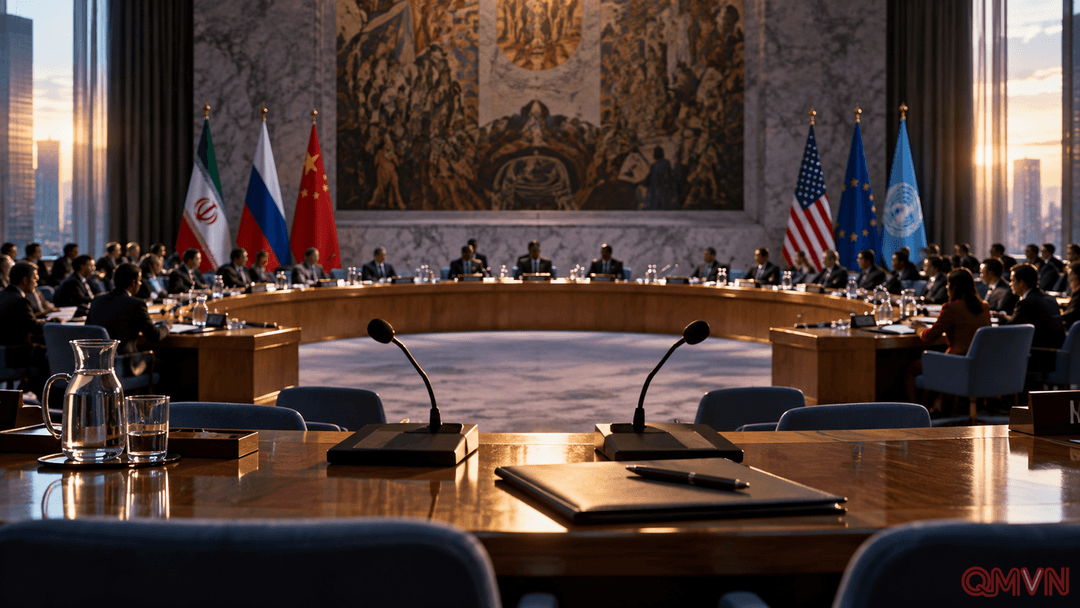
On September 17, the Security Council considered a resolution extending for another year the mandate of experts supporting the Iran sanctions committee established under Resolution 1737. The draft received 11 affirmative votes, two negative votes from Russia and China, and abstentions from Pakistan and Somalia. It therefore met the numerical threshold for adoption but was blocked by the vetoes of two permanent members. The outcome reveals the distinction between majority support and the special decision-making rules governing the Council.
Speaking at the General Assembly, according to an account released by Mehr News on October 3, Iran’s Gholamhossein Darzi called the effort to revive the expert panel politically motivated and legally unfounded. He praised the Chinese and Russian vetoes as a defense of the UN Charter. Those descriptions represent Tehran’s position in a disputed legal argument, rather than a conclusion accepted by all UN members.
The US and European supporters of the proposal see the panel as a tool for independent reporting on sanctions implementation and suspected violations, including restrictions connected to arms and nuclear-sensitive activities. Reuters and Security Council Report have noted that the panel had already been unable to operate because of disagreements over appointments. The confrontation is consequently about much more than renewing administrative posts: it involves competing claims about the legitimacy of the sanctions framework itself.