MAIN CONTENT
A dramatic market reversal
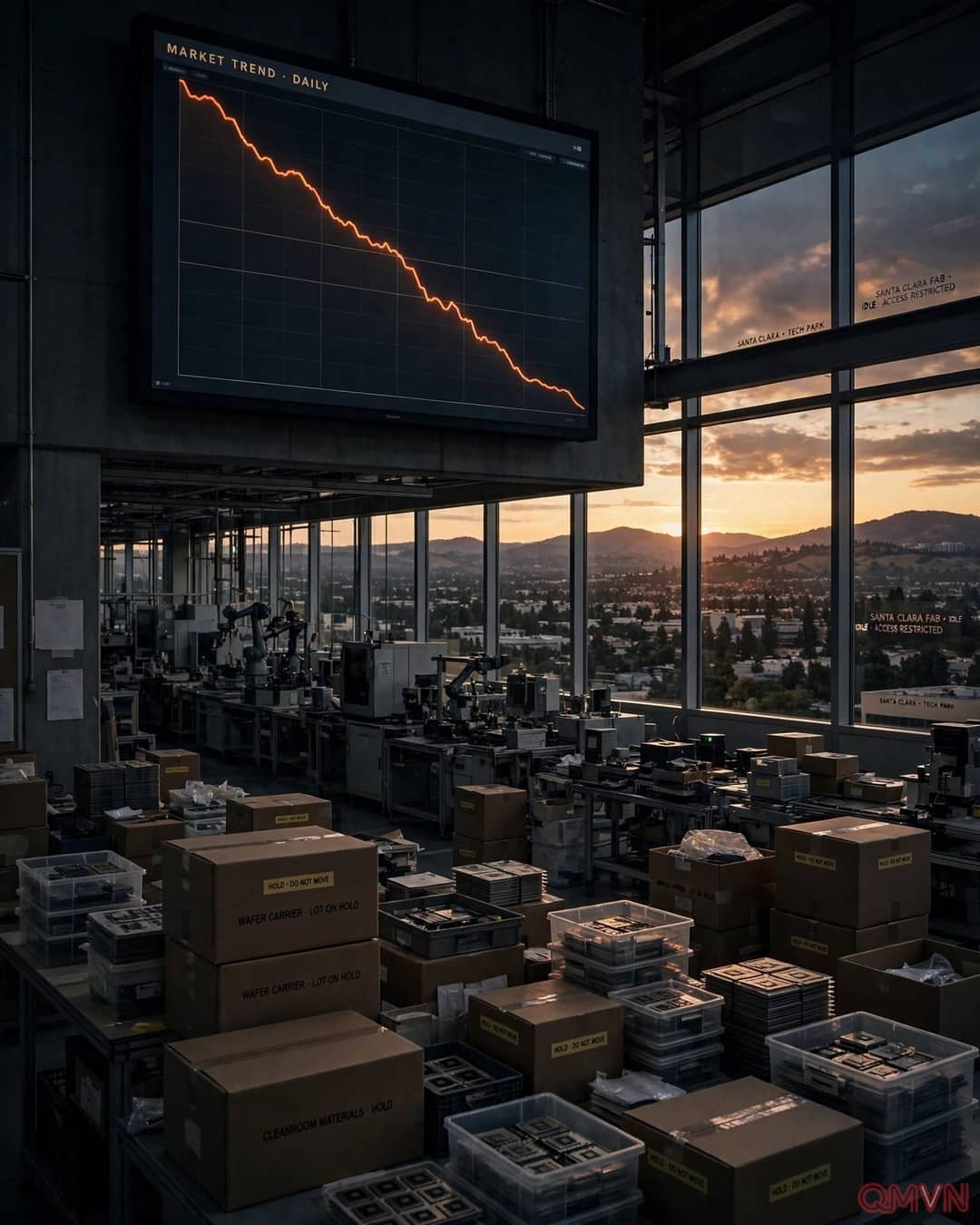
Intel’s October 30 sell-off was unusually severe for a company of its scale. The shares lost 28.6% after management’s October 29 results and guidance disappointed Wall Street. Reuters estimated that approximately $140 billion disappeared from Intel’s market capitalization in a day. As of the following Friday, November 13, the stock closed at $59.66, although it was still up about 62% for the year. Those seemingly contradictory numbers convey how abruptly expectations can change when investors have priced in a recovery.
Intel reported $16.5 billion in third-quarter revenue, up 21% from a year earlier, but projected fourth-quarter revenue of $15 billion to $16 billion and a softer profit outlook than analysts had expected. The issue was not simply whether the company could sell chips. It was whether a business attempting an expensive manufacturing transformation could maintain growth while important end markets deteriorated. A large quarterly sales number and a steep one-day market loss can coexist when the future looks less dependable than the past.
What the shareholders allege
The City of Southfield Fire and Police Retirement System leads a proposed class action covering Intel investors from July 23 through October 29, 2026. Filed under federal securities law, the complaint names Intel, Chief Executive Lip-Bu Tan and Chief Financial Officer David Zinsner.