In France’s Auvergne-Rhône-Alpes region, the regional majority answers high school students’ unrest with a security response
What is the region really doing for high school students? Elected officials in Auvergne-Rhône-Alpes, France’s second-largest region, failed to answer that question together at their plenary session on October 22, according to Le Monde. As a student movement against dilapidated schools, staff shortages and the complexities of the Parcoursup university admissions platform spreads across France, the region’s right-wing majority emphasized a security response and the 4.7 billion euros it says it has invested in schools over ten years. The Socialist and Green opposition, by contrast, denounced a decline in regional investment over the same period. The debate was described as polarized and unconstructive, while students’ practical problems remain unresolved.
Edite QUANG MINH·2 min read · 3 min listen·23 October 2026, 02:49 EDT·
AI-generated illustration
A tense plenary session
Opening the debates, Laurent Wauquiez, a member of parliament for Haute-Loire from The Republicans (LR) and former regional president, now a special adviser to the majority, called for listening to students.
When high school students demonstrate, it’s normal to listen to them.
According to Le Monde, however, elected officials got caught up in posturing rather than seeking solutions together.
Advertisement
300 × 250
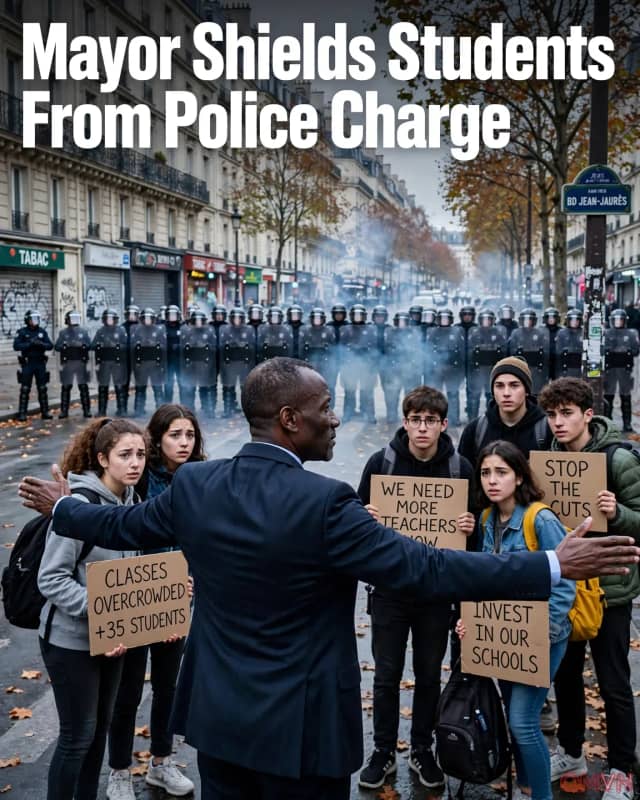
The majority stressed a security response to the protests, while the opposition focused on criticizing the region’s investment record.
Students’ grievances
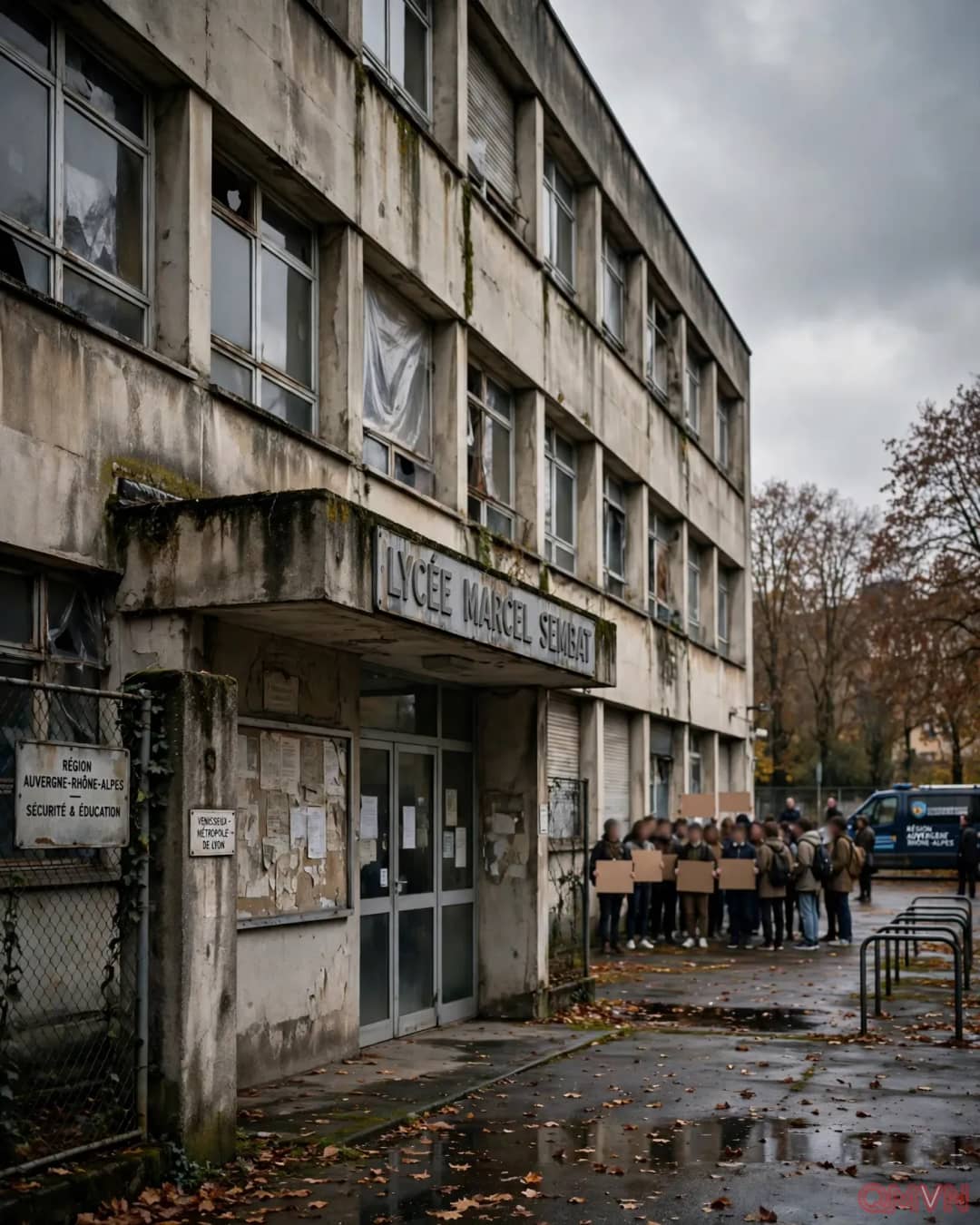
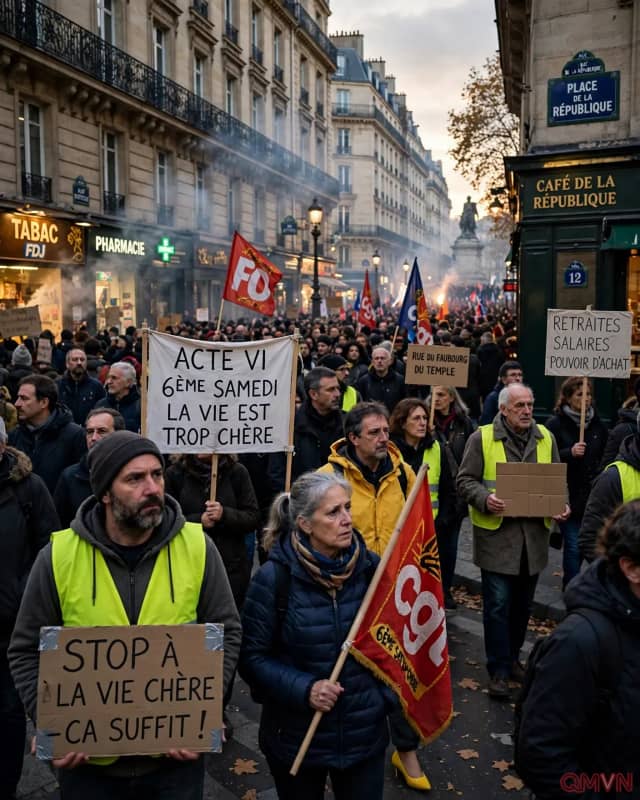
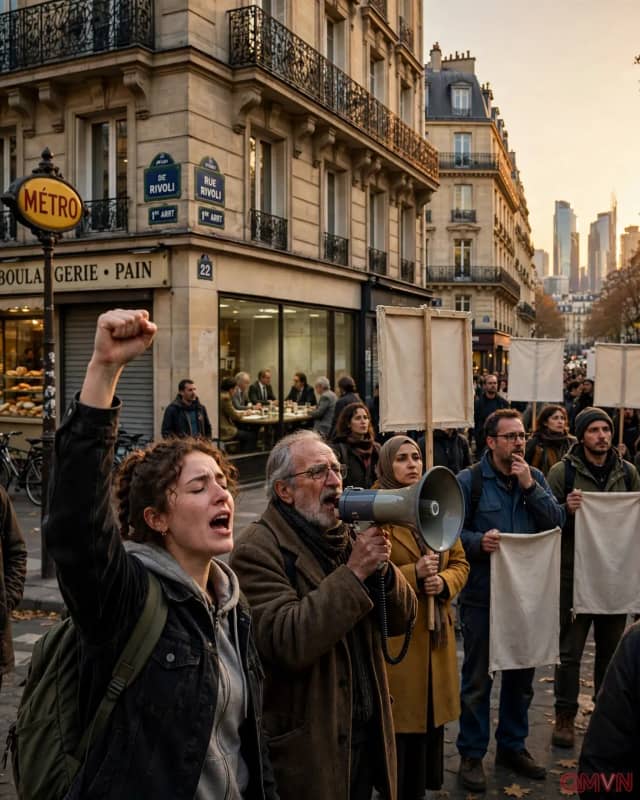
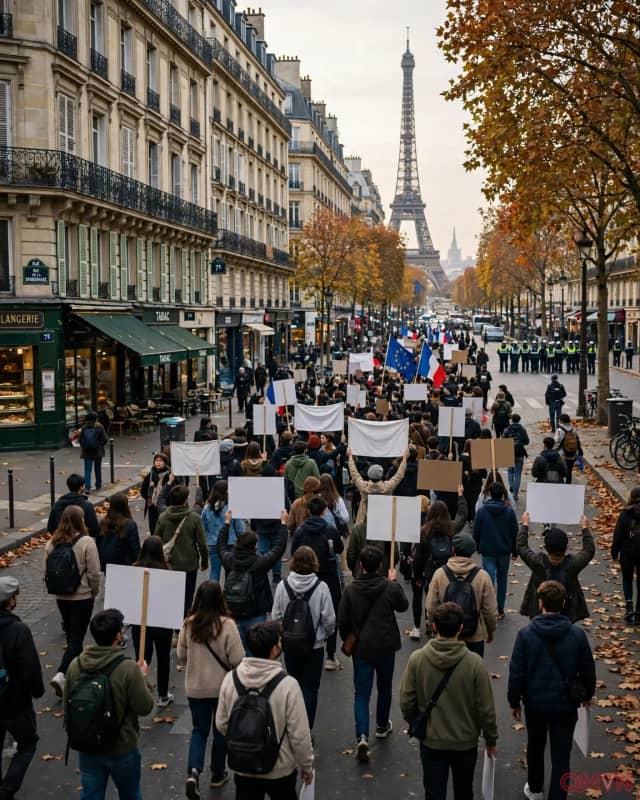
In recent demonstrations, placards and testimonies from students frequently highlighted concrete problems that are among young people’s main grievances:
The poor condition of school buildings and facilities
Shortages of teachers and staff
The complexities of Parcoursup, the university admissions platform
Notably, on the issue of dilapidated buildings, students from more privileged neighborhoods expressed solidarity with peers from underprivileged areas, showing that the movement crosses social lines.
A battle over investment figures
Wauquiez boasted that during ten years in office the region invested 4.7 billion euros in maintaining and renovating the 562 establishments under its jurisdiction, including 305 public high schools, with a total of 322,392 students.
The Socialist and Green opposition, by contrast, denounced a decline in regional investment over the past decade. The clash over figures reflects deep differences in assessing education policy, but, as Le Monde observed, it brought no clear answer to students’ demands.
Between security and education
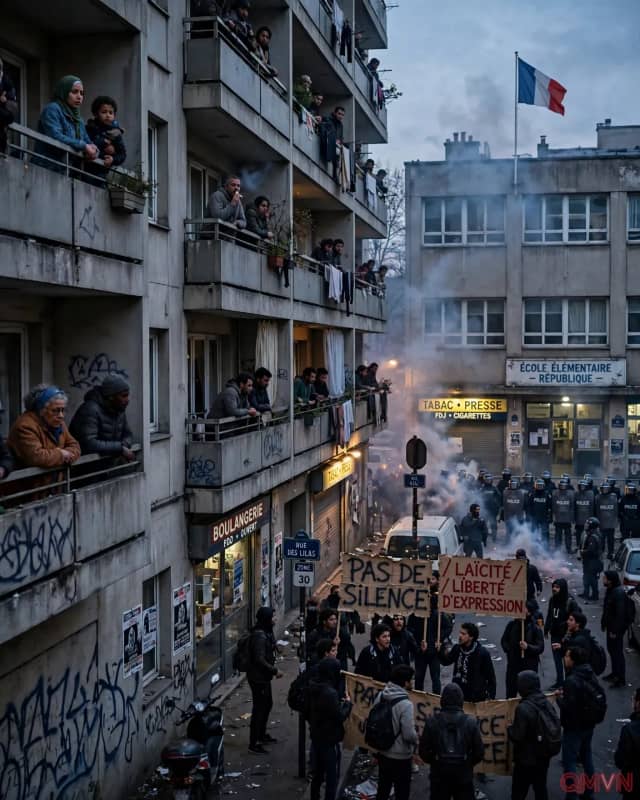
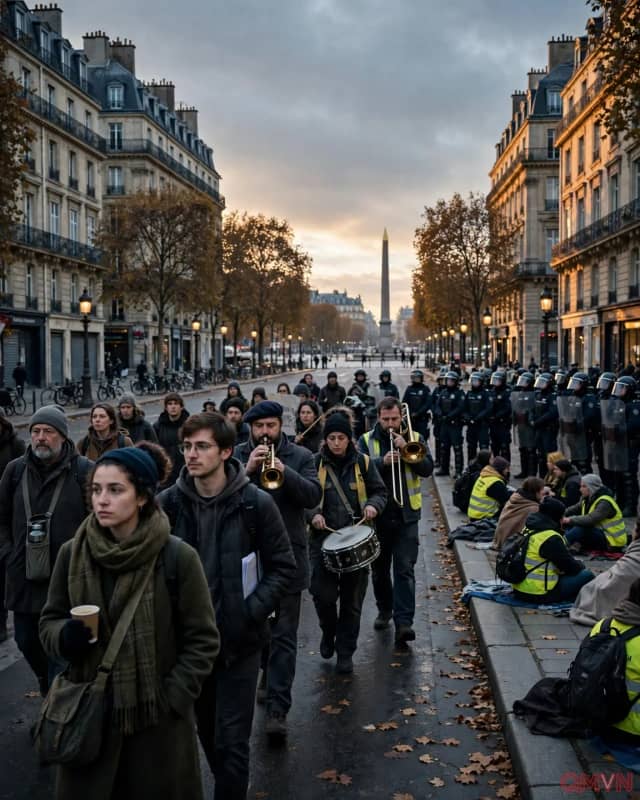
Auvergne-Rhône-Alpes has been among the regions hit hardest by the recent wave of rioting, particularly in Lyon, where hundreds of shops were looted and authorities banned all protests in the city centre. That backdrop has led the right-wing majority to prioritize a message of order and security.
Many argue, however, that responding only with security while ignoring root causes such as run-down schools and staff shortages is unlikely to calm students’ discontent. The question of the regional authority’s role in improving learning conditions therefore remains open.
BACKGROUND OF THE EVENT.
In France, regions are responsible for building, maintaining and equipping high schools, while the state manages curricula and teaching staff. This year’s student movement began at a high school in Créteil over staff shortages and dilapidated buildings and spread nationwide, merging with anger over the cost of living and leading to large protests on October 17, accompanied by riots in several cities.
The sticking point is that responsibility for schools is shared among several levels of government, making it easy for each to blame the others. The right-wing majority stresses its investment record and the need for order; the left-wing opposition argues investment has fallen short and students deserve more attention. With the presidential election approaching, education and security have become political battlegrounds.
Key takeaways
Listening to young people must come with concrete action, not just slogans.
Good schools are the foundation of a fair society.
When parties argue over figures, real problems are easily forgotten.
Subscribe to the QMVN newsletter
A daily morning digest - only stories worth reading, no spam.