MAIN ARTICLE
A shared pledge without an operating plan
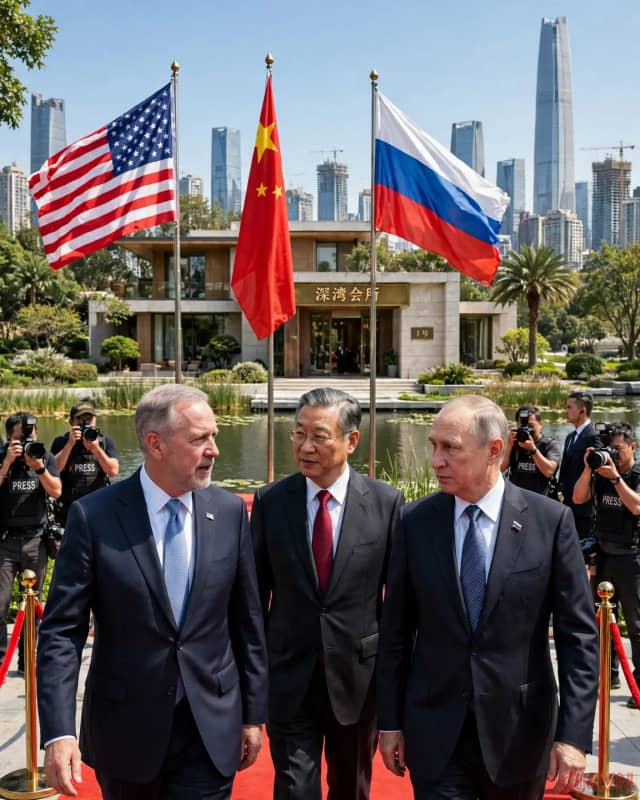
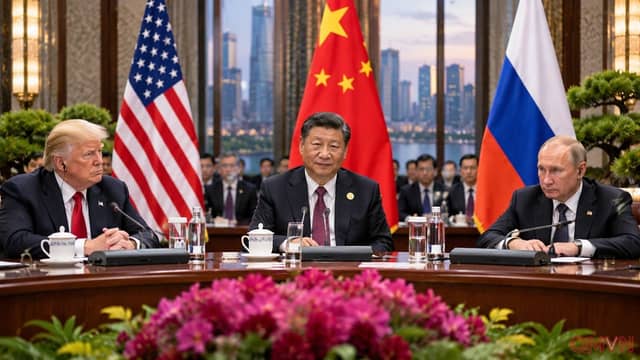
The declaration issued after Donald Trump, Xi Jinping and Vladimir Putin met in Shenzhen committed their governments to expand the production and supply of refined petroleum products and emphasized stable energy flows. The language marks a rare area of apparent cooperation among powers divided over trade, security and international conflicts. But the text contains no binding volume, schedule, refinery allocation or explanation of how shipping and payment obstacles might be overcome. Diplomacy has produced a statement of intent, not a verified increase in deliveries.
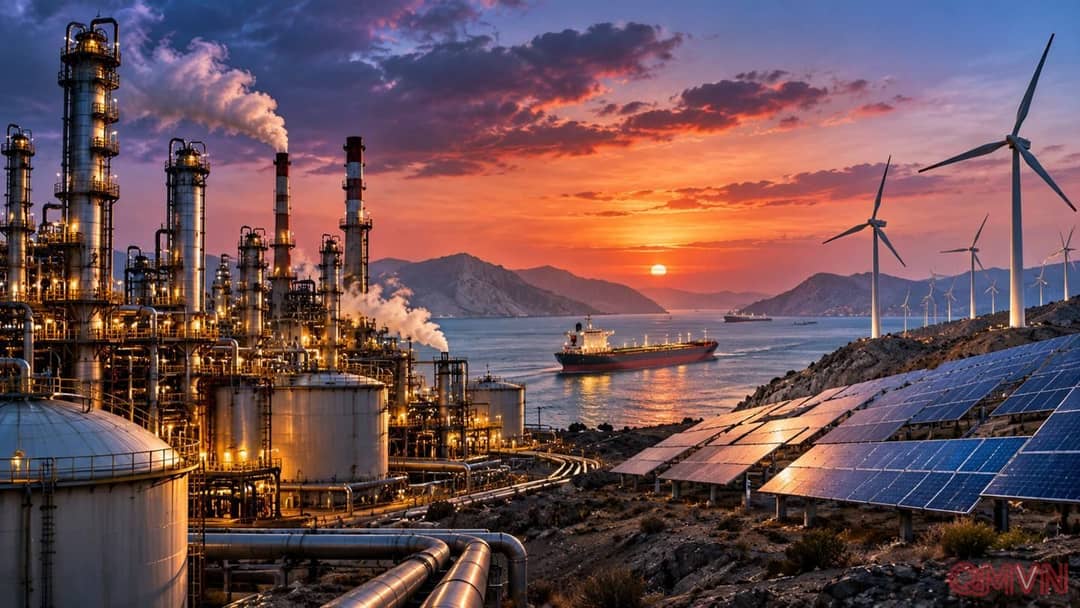
That distinction extends to the products themselves. Crude oil must be processed before it becomes gasoline, diesel or aviation fuel. Refineries require available capacity, equipment and energy, while final supplies depend on storage, transport, insurance and distribution. Additional crude barrels do not automatically translate into usable fuel at the pump. For buyers, the meaningful question is how much refined product actually reaches markets, when it arrives and at what cost.
Hormuz exposes the fragility of fuel dependence
The Strait of Hormuz connects the Persian Gulf to international trade routes and has long been a strategic energy chokepoint. Disruptions associated with the 2026 Iran war forced importing states to seek alternative cargoes and tap inventories. The International Energy Agency described this disruption in its World Energy Outlook 2026 as the largest energy supply shock the world has faced; as of November, the shock had not ended.