MAIN CONTENT
A fight about what investors were told
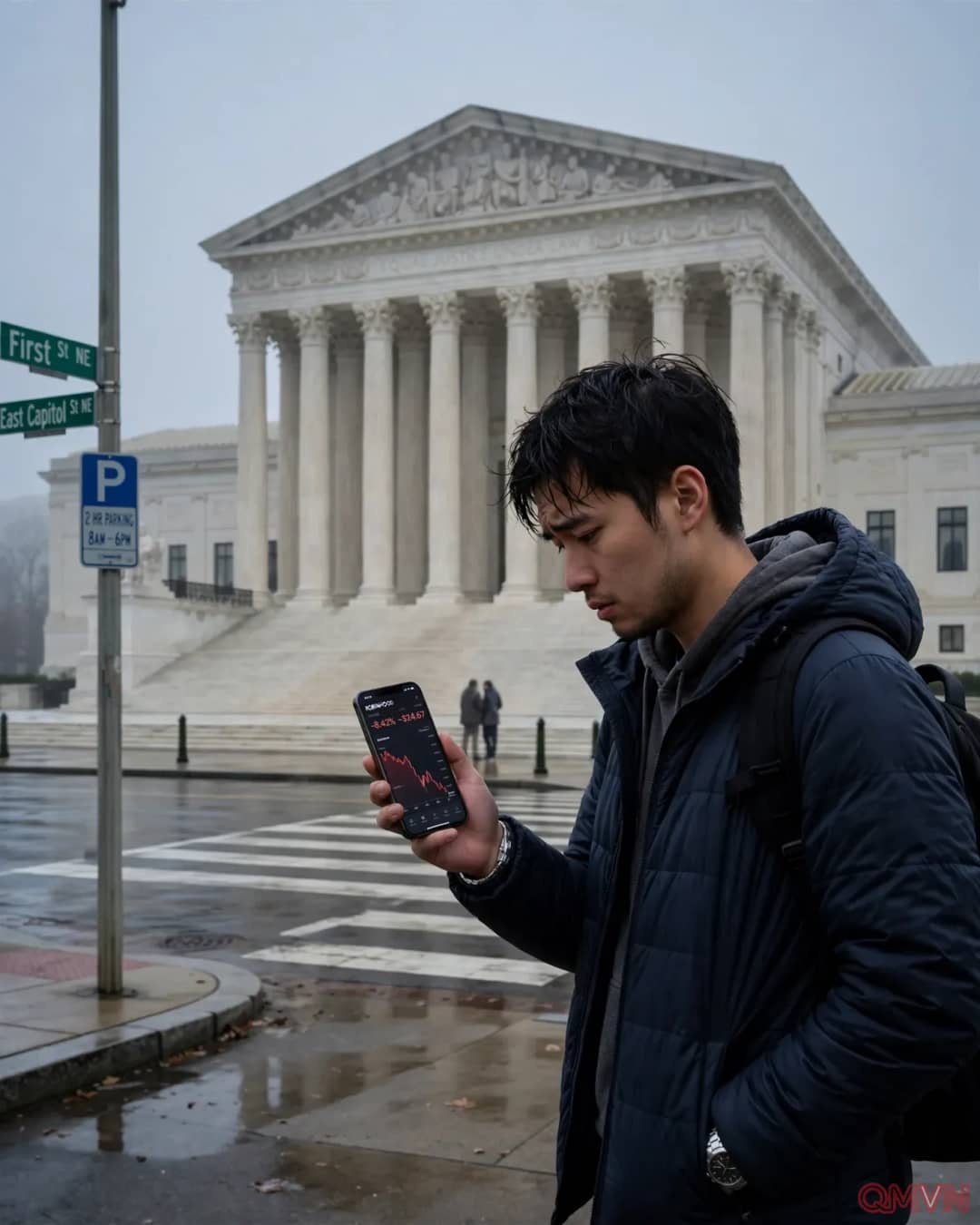
At the center of the dispute is the registration statement for Robinhood’s July 2021 flotation. Lead plaintiffs Vinod Sodha and Amee Sodha argue that the offering materials painted an incomplete picture of the company’s trajectory. Their lawsuit says trading linked to GameStop, Dogecoin and other social-media-driven favorites had already cooled as the IPO approached, while some longer-standing customers were leaving. Those developments allegedly threatened the transaction-driven growth that had made Robinhood attractive to public-market investors.
The controversy is not simply about whether an IPO prospectus must predict future earnings correctly. It asks whether describing a decline as a hypothetical risk is sufficiently candid when the company allegedly already knows that the decline has begun. Investors say a missing piece of that picture can alter a reasonable buyer’s valuation. Robinhood counters that its disclosures repeatedly explained the unusual intensity of early-2021 trading and warned investors not to assume those conditions would persist.
Two competing readings of securities law
The Securities Act of 1933 imposes liability for certain materially false or incomplete statements in securities registration documents. Yet possessing an important fact does not necessarily create a freestanding duty to disclose it.