MAIN CONTENT
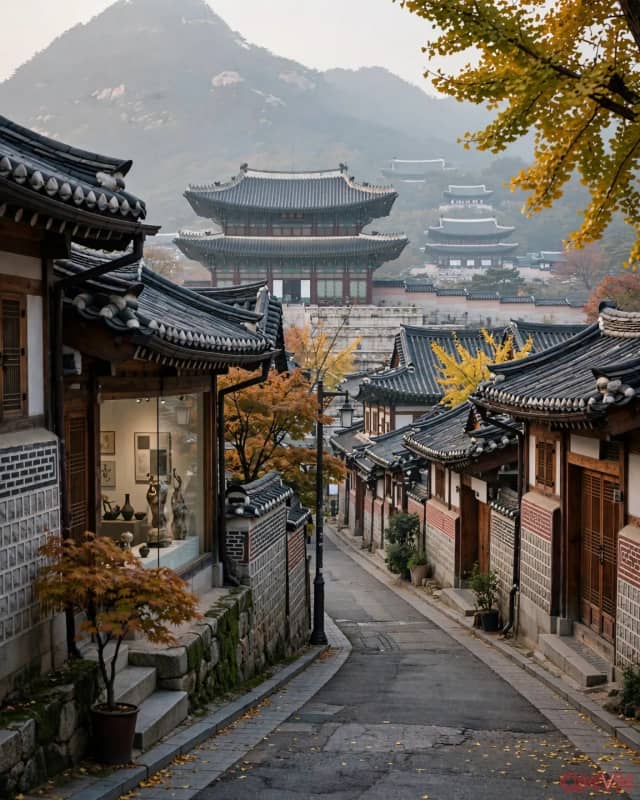
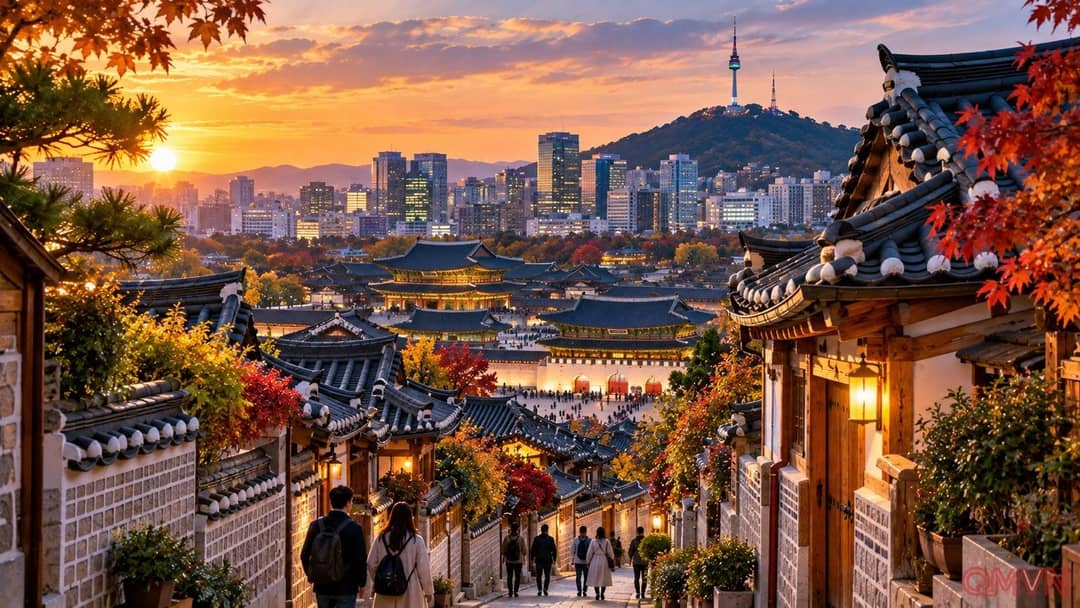
Palace roofs beneath a modern skyline
An early visit to Gyeongbokgung offers an introduction to the capital’s layered past. Founded in 1395, the palace combines ceremonial courtyards, wooden halls and painted gates within reach of modern towers. Nearby Bukchon is a maze of narrow, sloping lanes and curved hanok roofs. Its beauty is inseparable from the fact that people still live behind many of those walls.
Visitors should note that parts of Bukchon restrict tourist access to 10 a.m.–5 p.m. Keeping voices down, avoiding photography into private homes and traveling in small groups are not minor courtesies but essential conditions of a sustainable visit. Namsangol Hanok Village offers another way to learn how traditional homes were arranged.
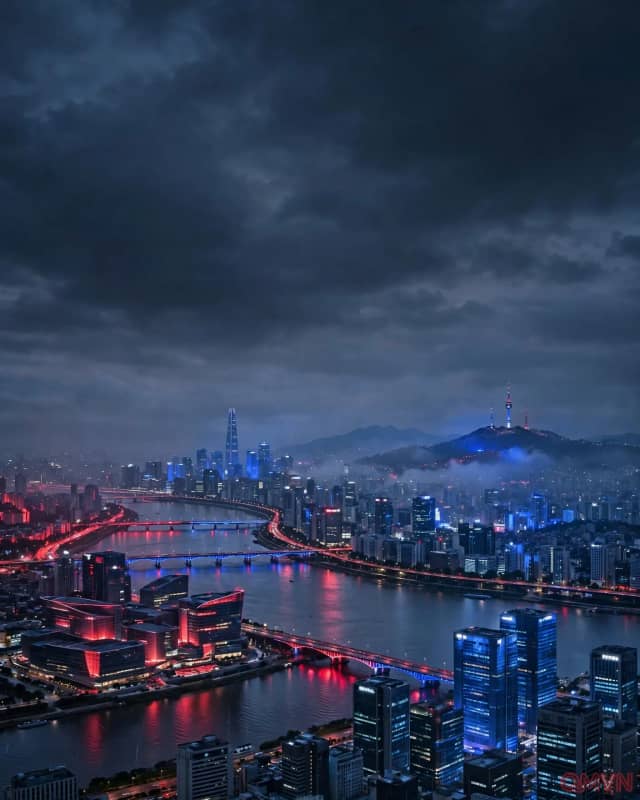
For perspective on the wider metropolis, Namsan and N Seoul Tower look across the Han River and dense urban districts. More ambitious hikers can explore Bukhansan, though weather conditions, route difficulty and fitness deserve careful consideration.
Neighborhoods shaping the next Seoul
Jongno brings together craft workshops, traditional tea rooms and evening pojangmacha food tents. Diners settle onto modest stools for savory scallion pancakes, warming soup or grilled snacks, creating a social experience far removed from a conventional restaurant itinerary.