MAIN CONTENT
Shenzhen is both a symbol and a test
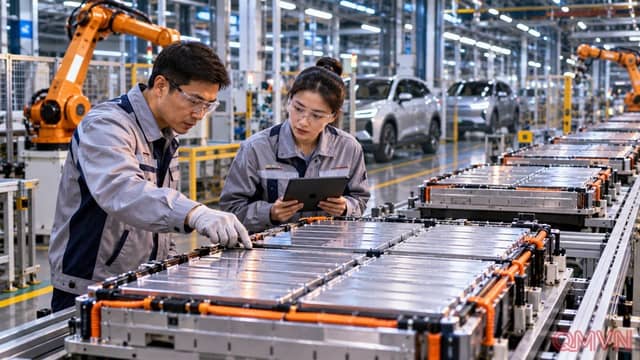
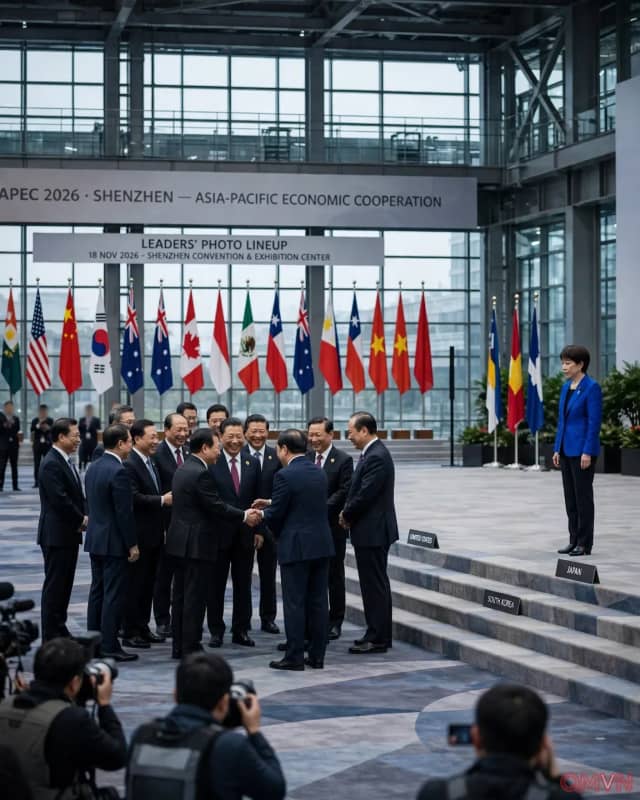
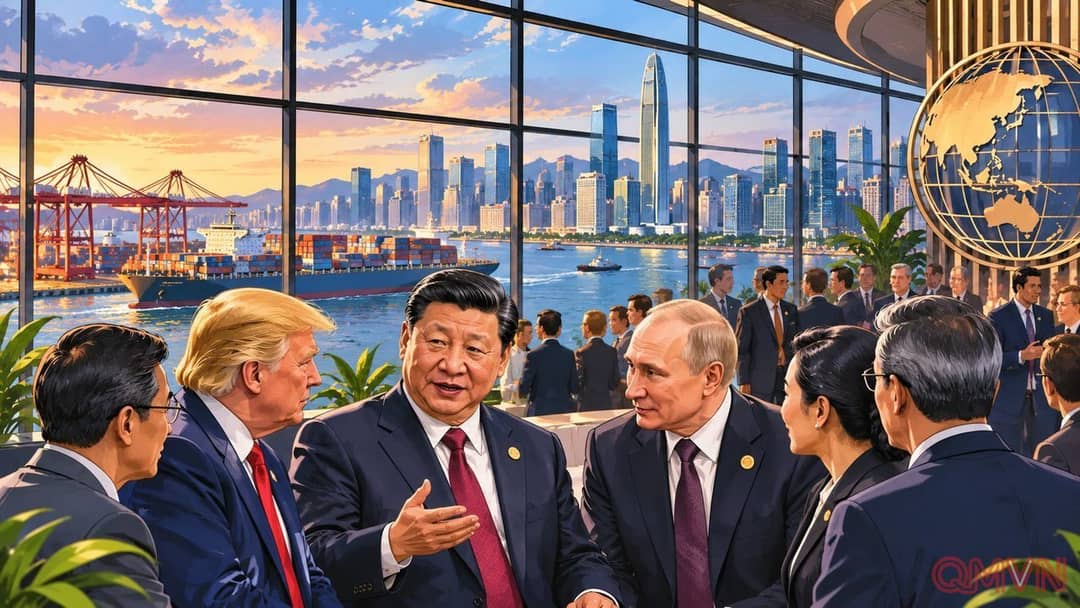
Once a relatively small coastal community, Shenzhen is now a landscape of technology firms, factories and sophisticated logistics networks. Its transformation embodies how China prospered through cross-border investment, global supply chains and the circulation of knowledge. Hosting APEC here in 2026 therefore sends a message about the opportunities created by integration. The city’s record, however, cannot guarantee that the same model will keep delivering when countries increasingly view economic dependence through a security lens.
Addressing business executives on November 18, Xi said China would further lower tariffs, expand market access and tackle difficult reforms involving rules, regulation and standards. Beijing’s published remarks also linked economic cooperation with technological transformation. Investors will judge these commitments less by their language than by whether companies encounter more predictable procedures, enforceable rules and genuinely competitive opportunities. Openness is meaningful when it survives contact with everyday commercial decisions.
Open commerce meets technology barriers
The call for integration contrasts with governments’ growing reliance on economic barriers. Donald Trump’s administration has used tariffs as an instrument of domestic industrial policy and bargaining power.