MAIN ARTICLE
A political identity reconsidered in public
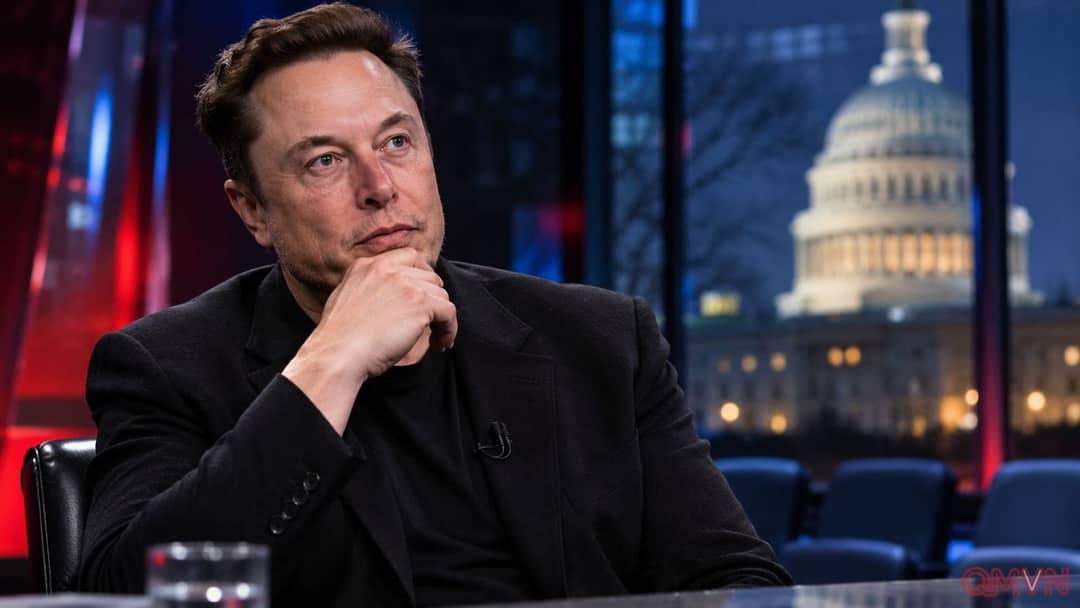
During a video interview conducted by New York Times journalist Andrew Ross Sorkin, Musk was asked whether he still identified with the Make America Great Again movement. He replied that he was “not MAGA” if membership implied unthinking adherence to Republican policies. He also acknowledged virtues and shortcomings in both major parties and suggested that divided political control in Washington could have advantages. These comments were delivered while he was in China, where he was traveling during President Donald Trump's Asian visit.
The contrast with 2024 was unmistakable. At a campaign event in Madison Square Garden, Musk had announced himself as “Dark MAGA,” a memorable declaration of loyalty to Trump's political project. After Trump's return to office he appeared regularly in White House settings and played a prominent role in the government-efficiency initiative known as DOGE. The new language therefore raises a larger question: is Musk revising his political commitments, or simply drawing a distinction between supporting particular policies and accepting an all-encompassing partisan label?
A costly election lesson
The immediate context was the 2026 midterm result. Musk invested close to $500 million in helping Republican candidates and allied groups, an exceptionally large sum for a person not seeking office.