Repatriation becomes a diplomatic opening
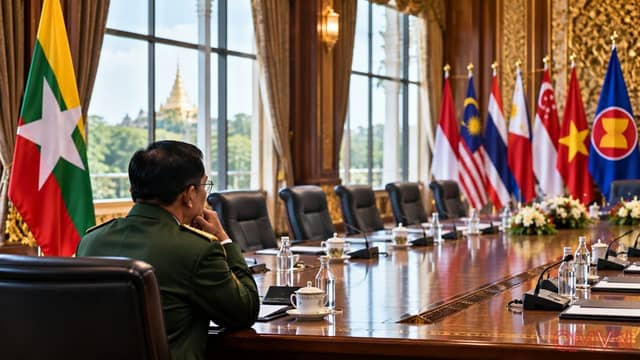
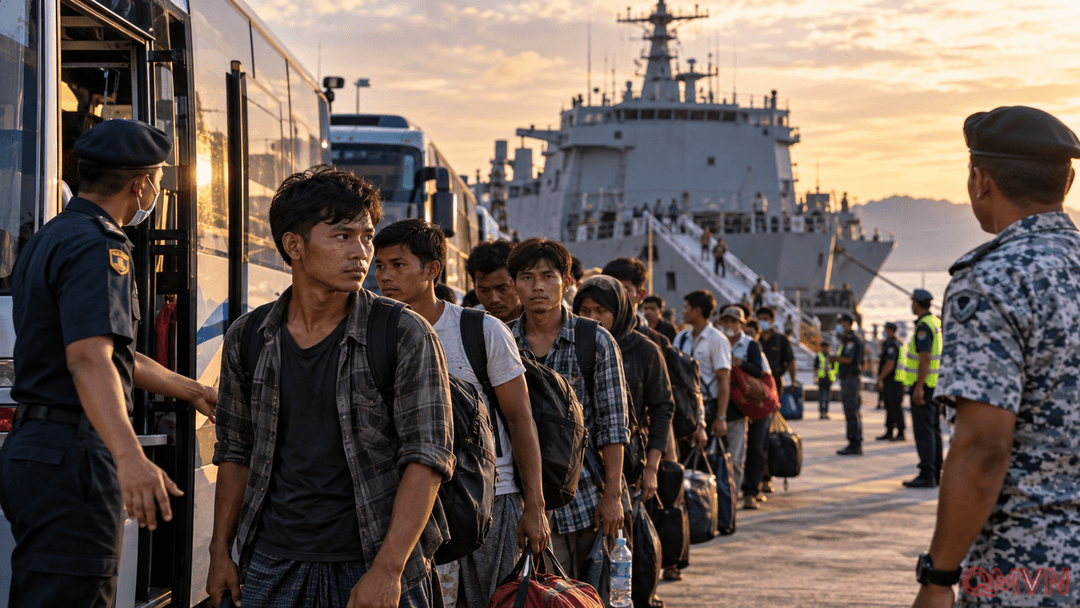
On October 4, nearly 1,500 Myanmar nationals arrived in the Yangon area after travelling from Malaysia aboard two Myanmar navy warships and a hospital ship. The movement formed part of a phased repatriation plan that Kuala Lumpur says could cover about 5,000 people held in immigration facilities. The political significance grew immediately because the return coincided with confirmation of a two-day official visit by Min Aung Hlaing to Malaysia.
Anwar told parliament that around 10,000 Myanmar nationals had been sent home since the start of the year, including people flown back on aircraft arranged by Myanmar and those returned by sea in the latest operation. Kuala Lumpur argues that direct engagement can help solve practical problems such as undocumented migration, consular coordination and security, rather than waiting indefinitely for a regional political settlement that has made little headway.
Dispute over whether returns are truly voluntary and safe
The central controversy is not simply the scale of the returns, but whether people held in immigration detention can make a fully free and informed decision. UNHCR said it had not been able to conduct the access needed to assess individual protection claims and stressed the principle of non-refoulement: people should not be sent to a country where they may face persecution, torture or other serious threats to life or freedom.