MAIN CONTENT
A judgment about acts and intent
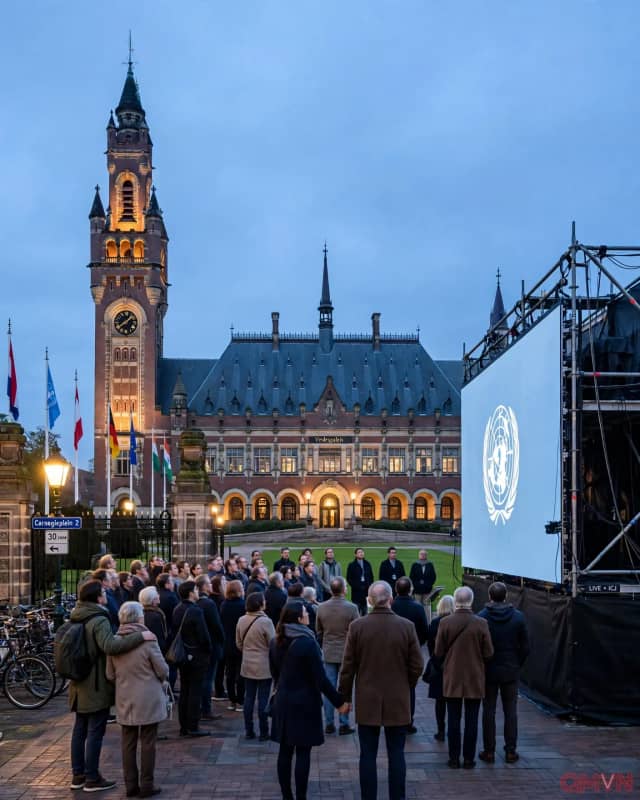
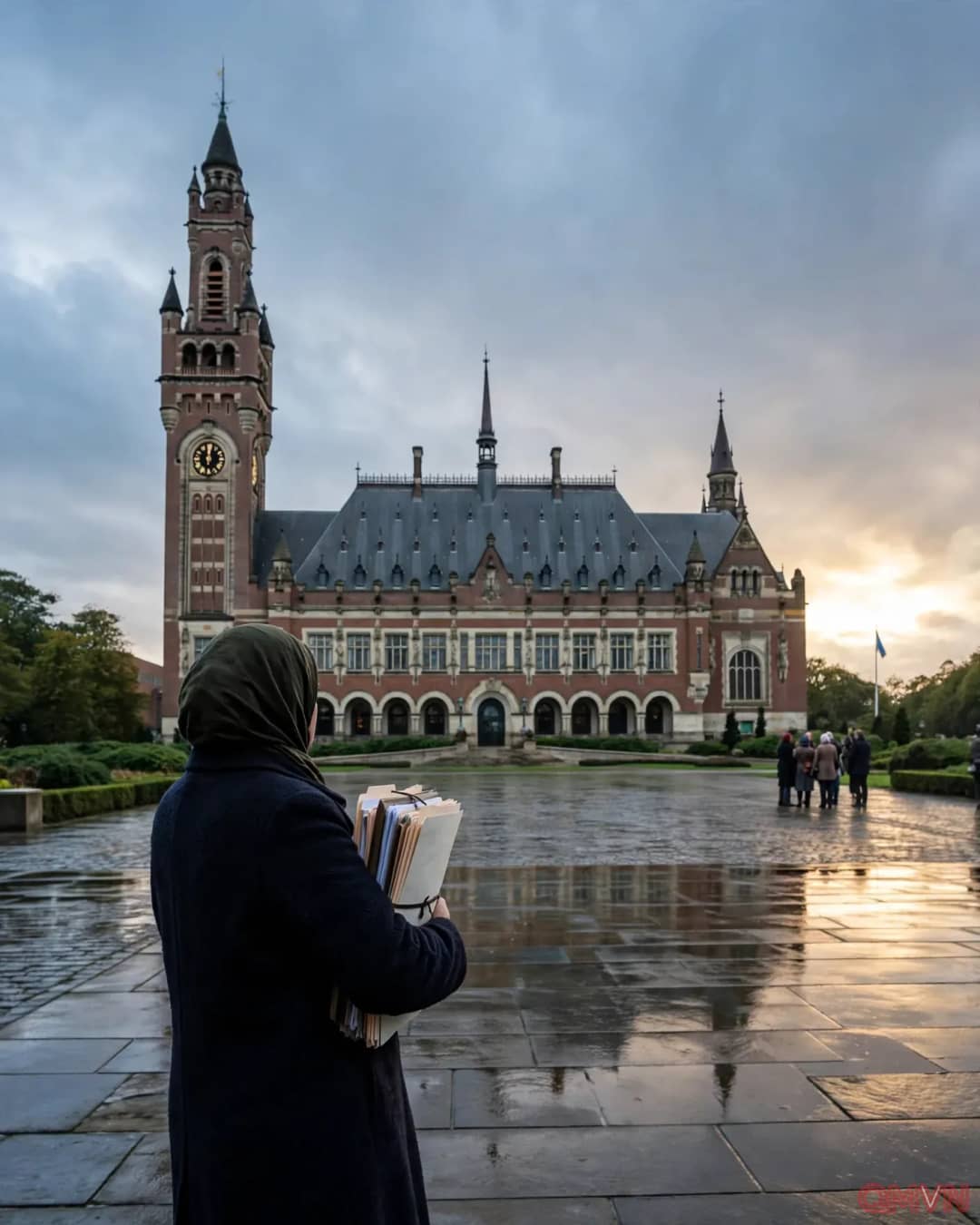
The court is considering whether Myanmar breached its obligations under the 1948 Convention on the Prevention and Punishment of the Crime of Genocide. The decisive legal question is not simply whether atrocities occurred, but whether prohibited acts were committed with the specific intent to destroy the Rohingya, wholly or partly, as a protected group. This demanding threshold distinguishes genocide from other grave international crimes. The Gambia argues that the pattern and scale of abuses support such a conclusion; Myanmar contests that characterization.
The Gambia filed its case in November 2019 despite having no direct territorial connection to the alleged violence. Its action rests on the shared interest of states parties in preventing and punishing genocide. The ICJ settles disputes over state responsibility, not criminal guilt of individual officers. A separate criminal process would be needed to establish personal liability. The judgment, whatever its outcome, therefore cannot be read as an individual criminal verdict.
The human reality beyond the courtroom
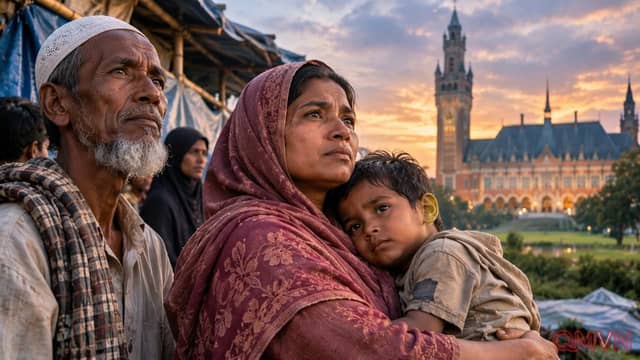
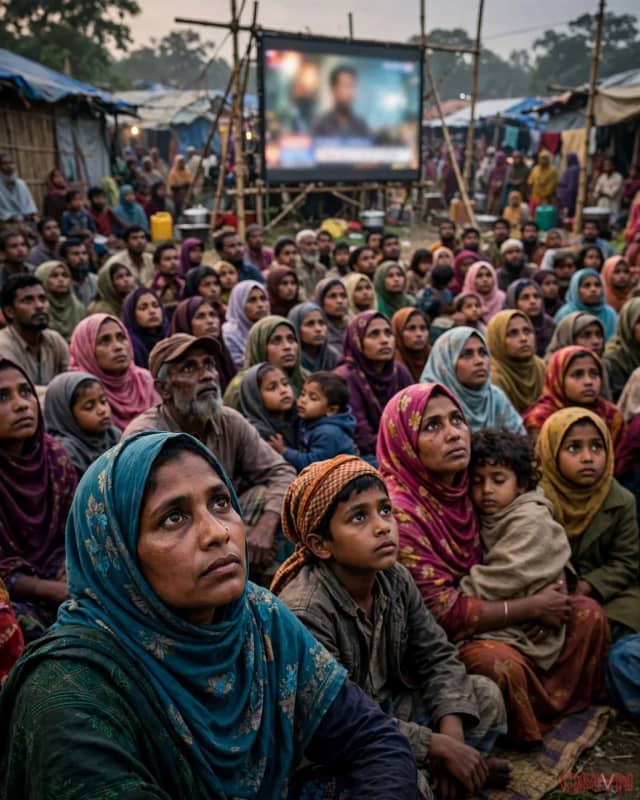
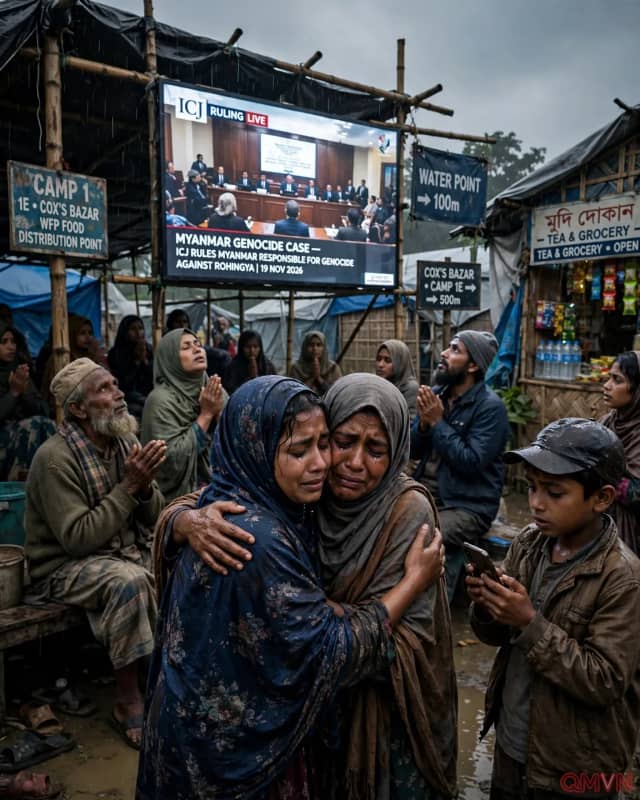
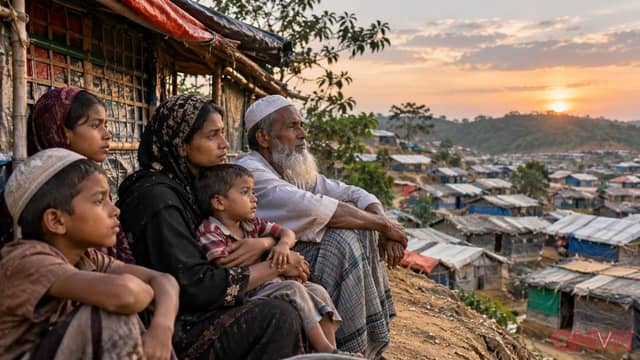
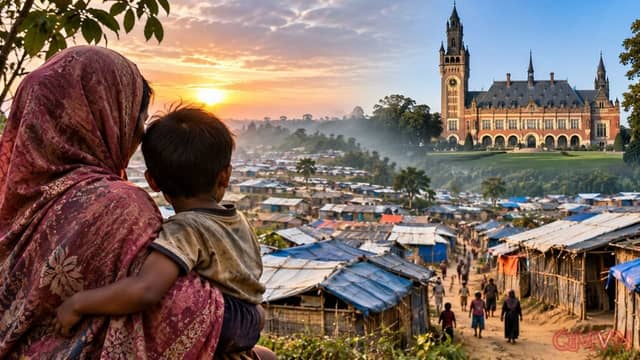
For Rohingya families in Bangladesh’s Cox’s Bazar district, international law meets the practical concerns of daily life: food, sanitation, education, work and a future their children can trust. According to the Associated Press, around 1.2 million refugees now live in Bangladesh, many in densely populated camps vulnerable to fire, disease and monsoon damage.