MAIN CONTENT
A shared screen, years of memory
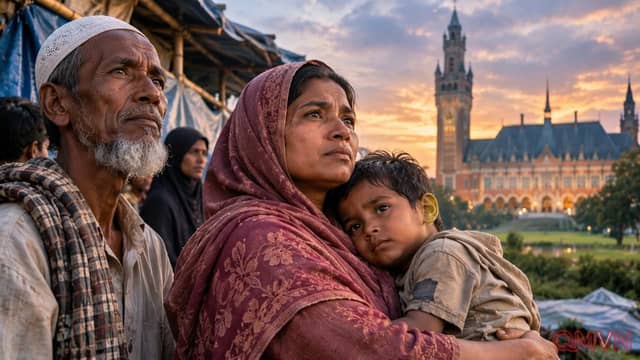
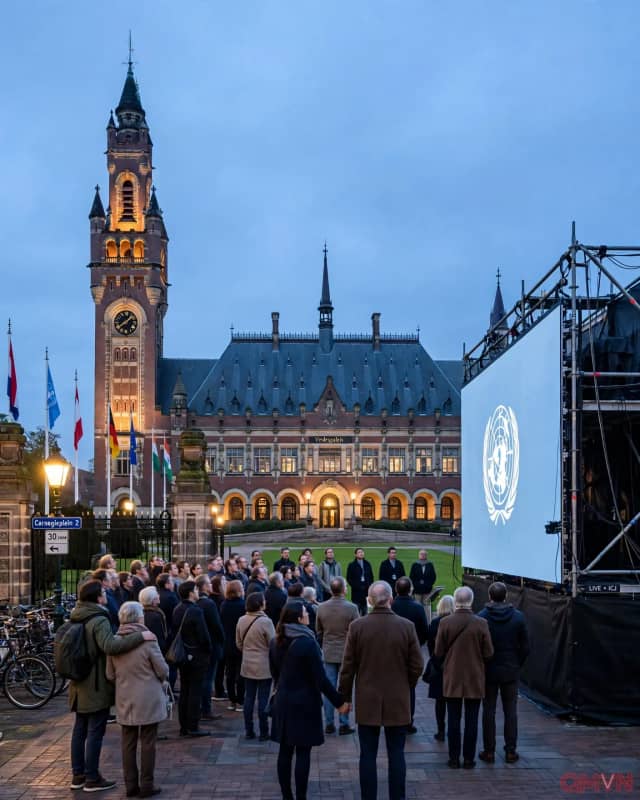
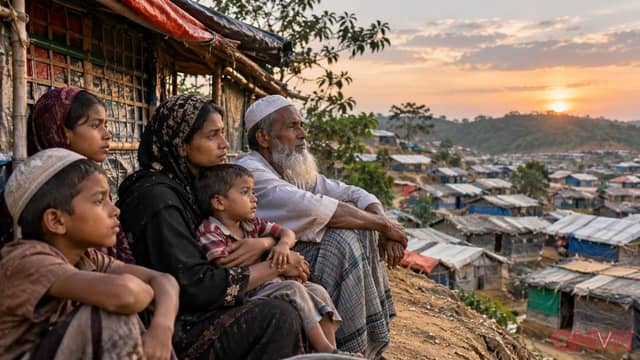
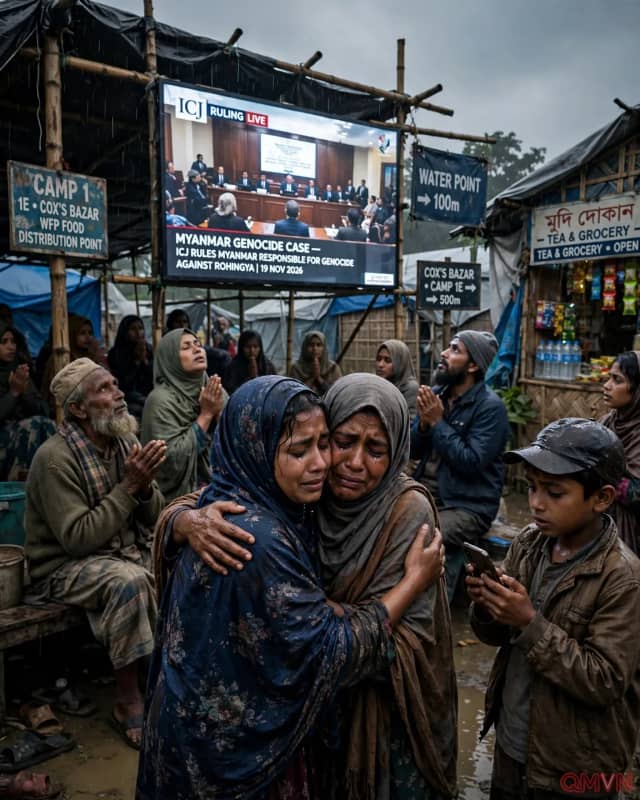
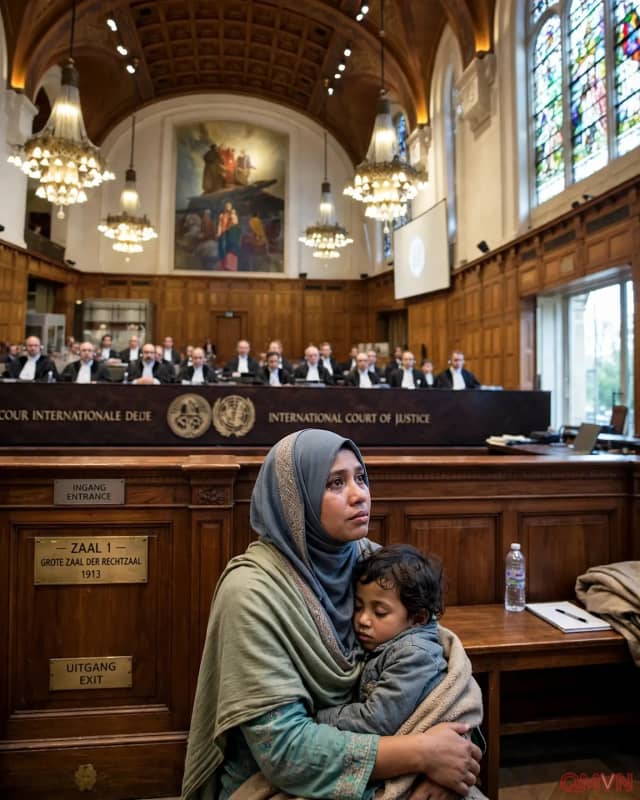
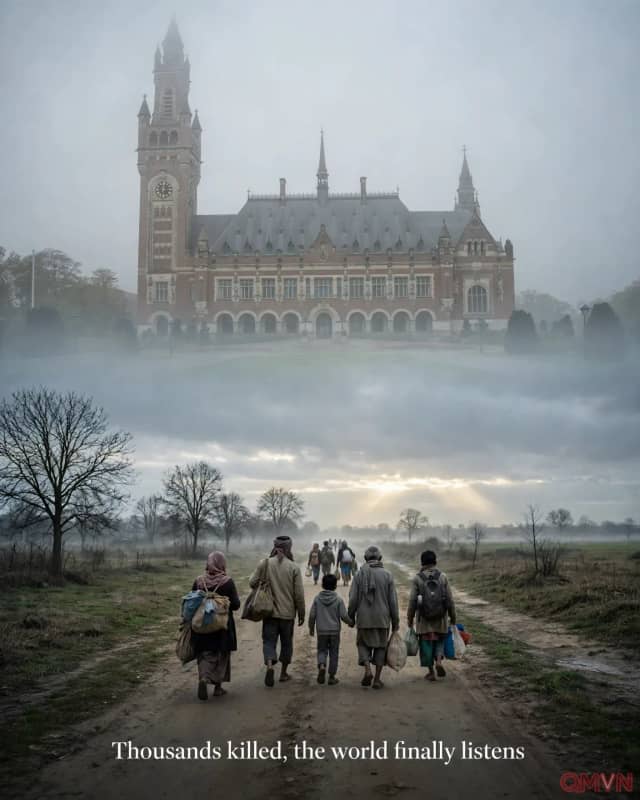
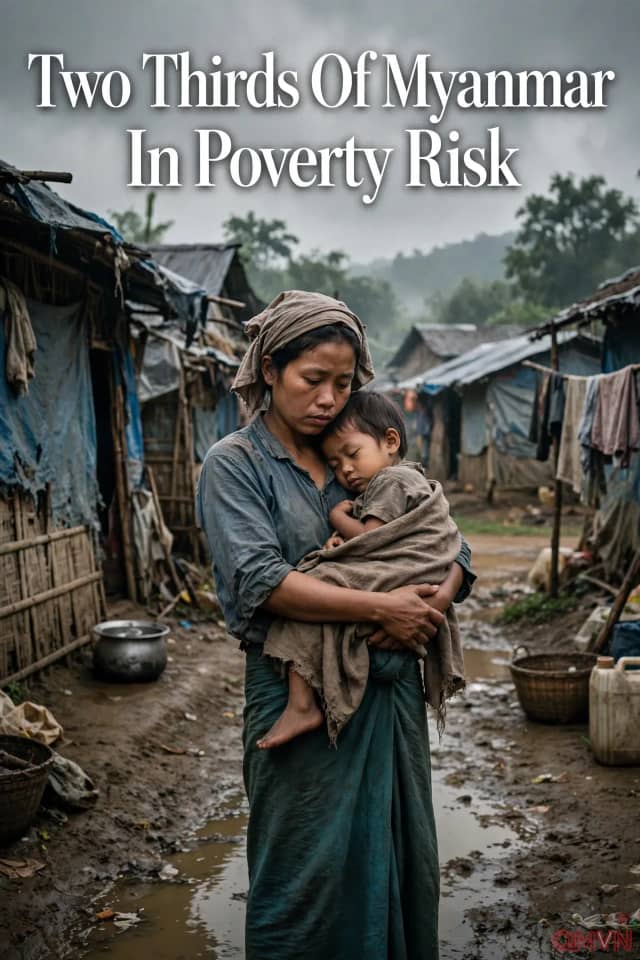
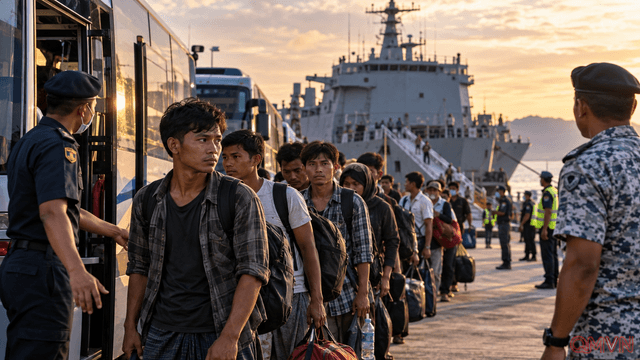
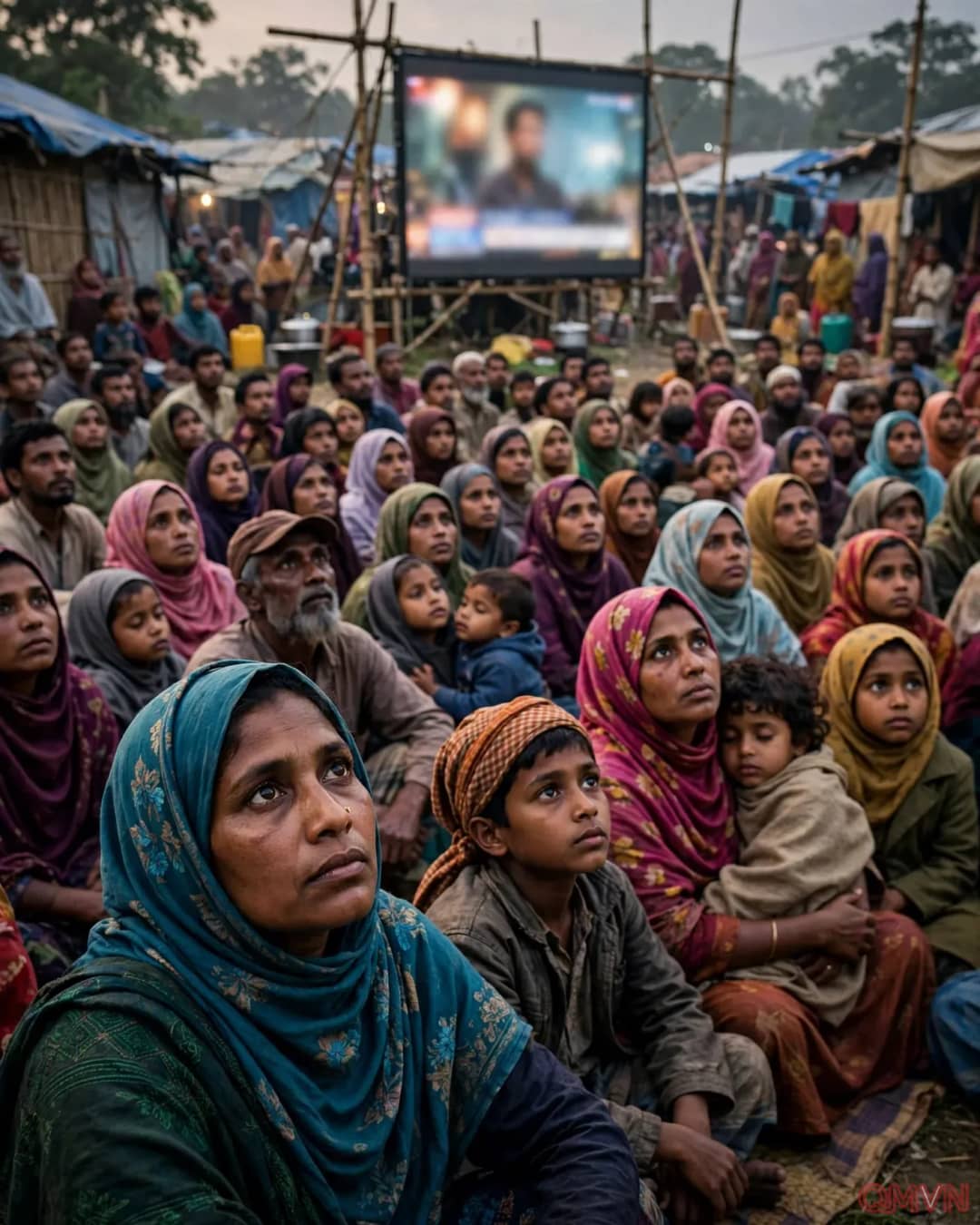
Hundreds of refugees watched the ruling from Cox’s Bazar as the judges delivered their findings in the Netherlands. The Associated Press reported that many saw a small victory after years of waiting for public acknowledgment of what they had lived through: destroyed villages, separated families and hazardous flights across the border during Myanmar’s 2017 military campaign.
Mohammad Rofik, a community leader, told AP that the verdict was a victory, but not the end of the ordeal. Another leader, Sayed Ullah, emphasized that recognition of the Rohingya as a distinct group with its own culture and language mattered deeply. Their reactions revealed that justice is not an abstract legal concept for displaced communities: it can affirm an identity that survivors believe has long been denied.
What the judges actually ordered
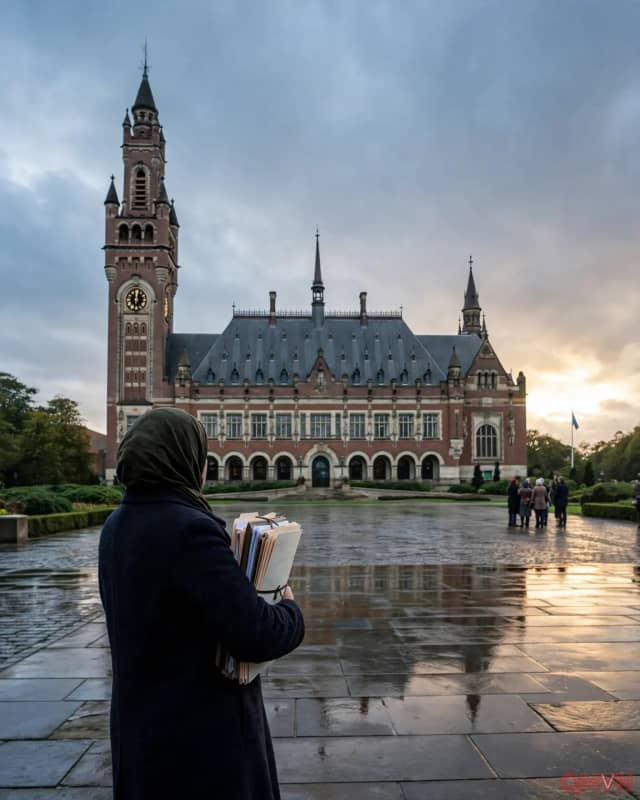
The ICJ found that Myanmar breached its obligations under the 1948 Genocide Convention. The judgment went beyond describing the killings and grave violence.