MAIN STORY
A judgment heard across borders
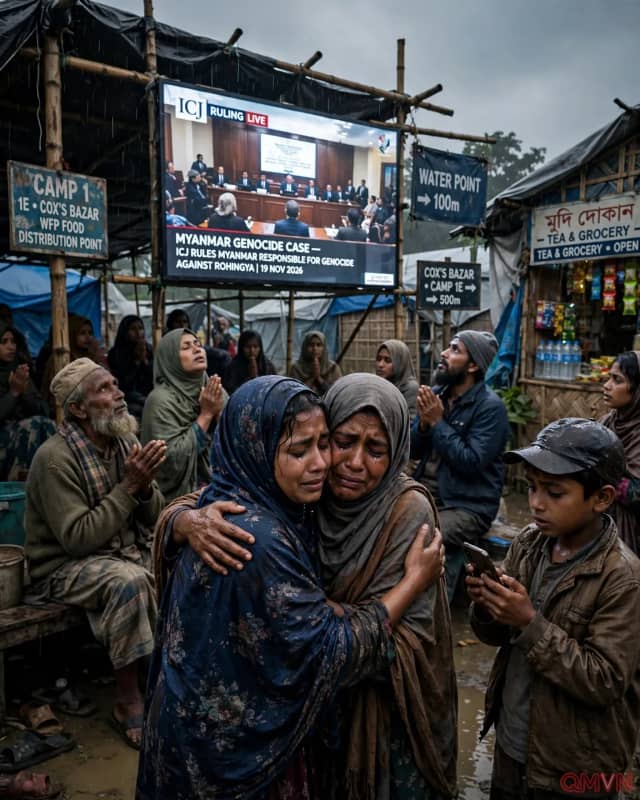
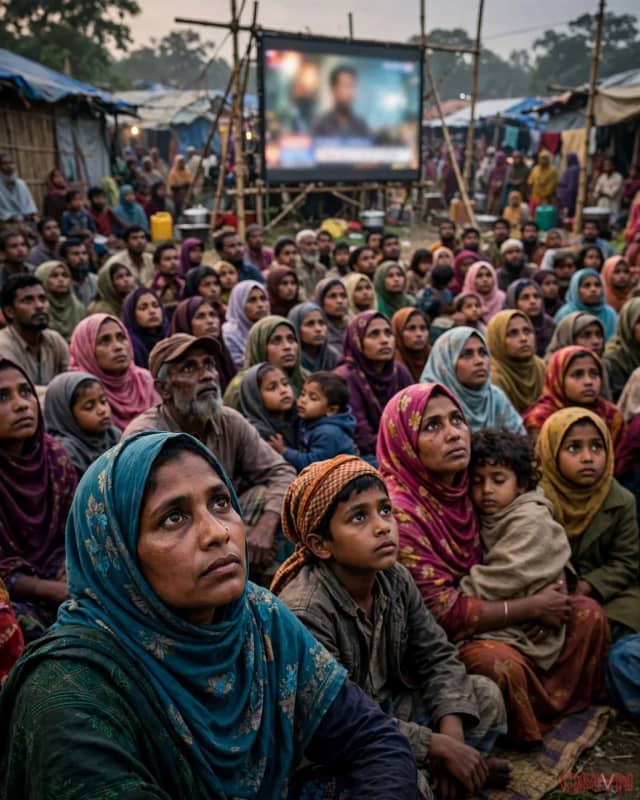
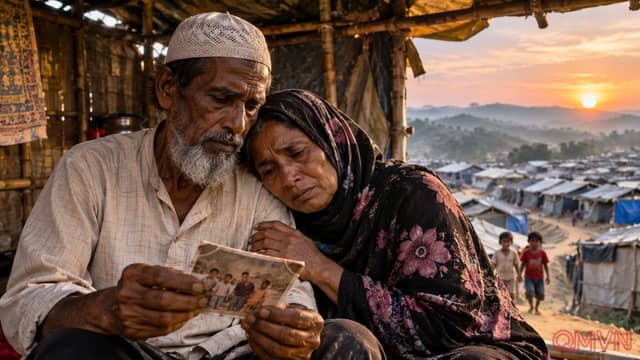
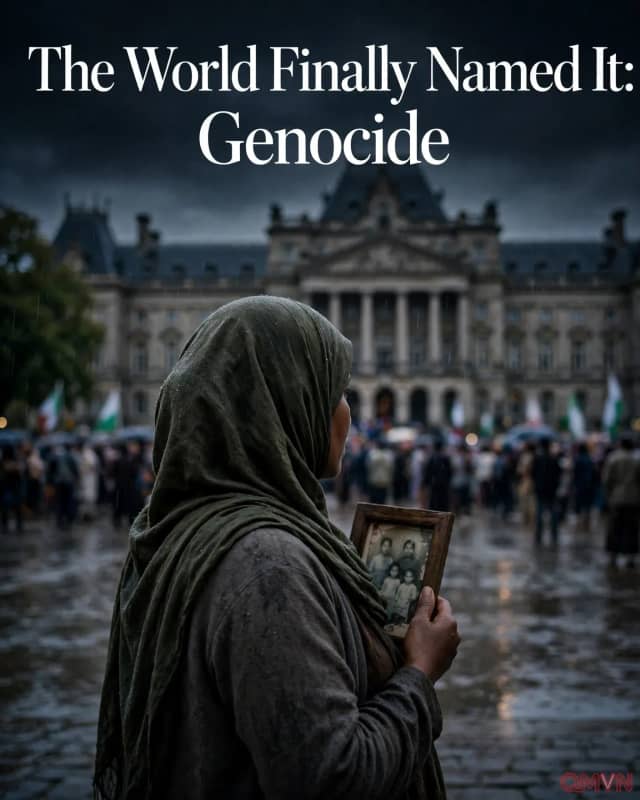
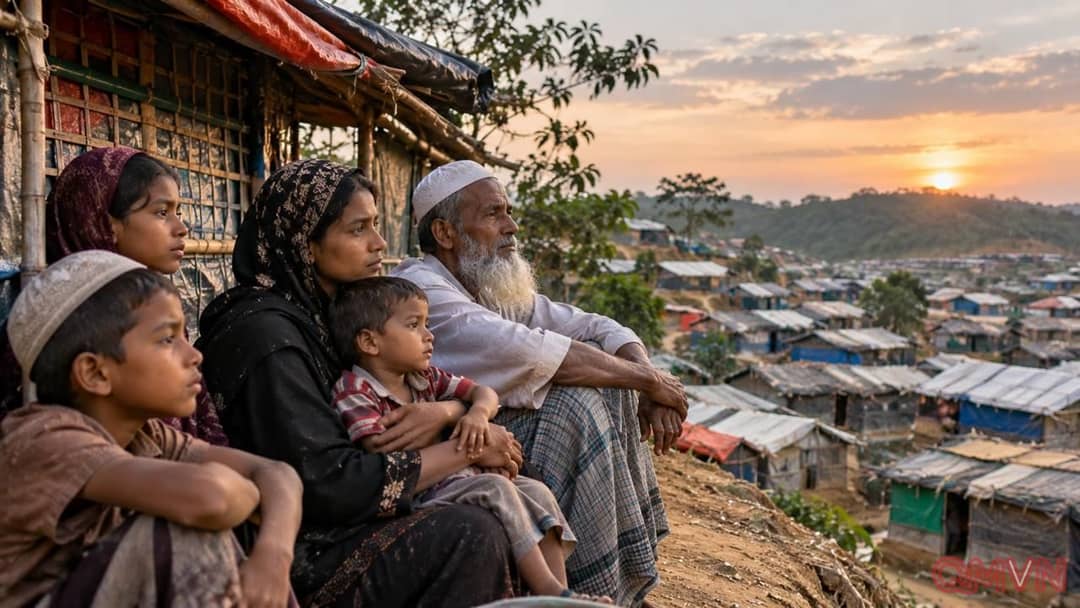
Hundreds of Rohingya gathered around a large screen at Cox’s Bazar to follow the ruling. Community leader Mohammad Rofik described the outcome as a victory to the Associated Press, while stressing that the pursuit of justice was far from over. Celebration mingled with memories of loss. For families who fled burned villages and lost relatives, the courtroom was not merely deciding a legal definition; it was publicly acknowledging years of suffering and displacement.
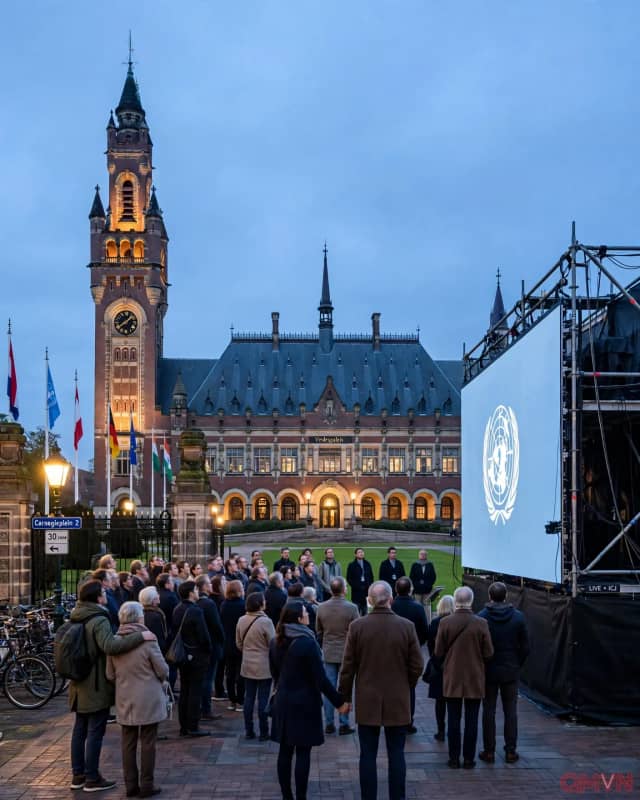
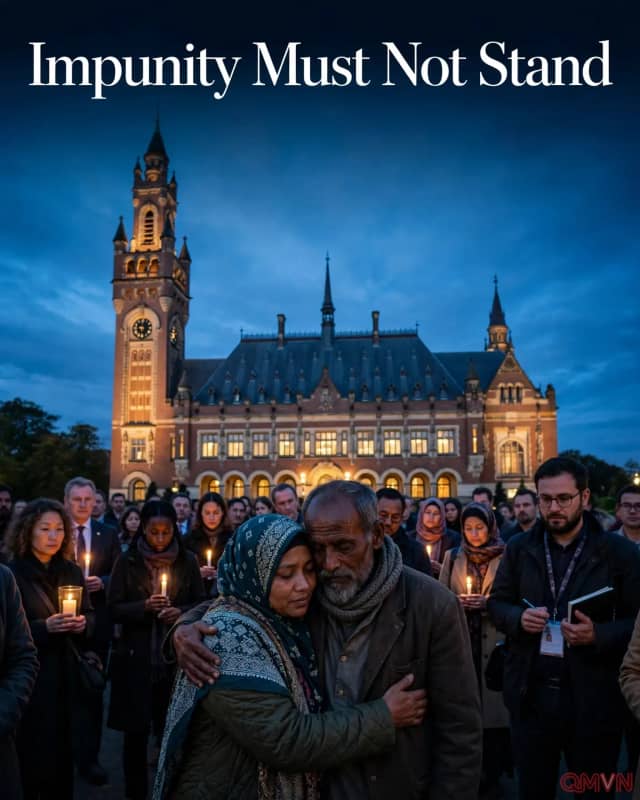
The International Court of Justice found that Myanmar breached the 1948 Genocide Convention during operations in northern Rakhine State. This is a determination of state responsibility, not a criminal conviction of individual commanders or soldiers. That distinction matters: international adjudication can establish what a state must do, while prosecution of individual perpetrators requires other processes, evidence and enforcement.
Recognition is not the same as return
Under the judgment and the United Nations’ account of it, Myanmar must take steps to repair the harm, facilitate safe, voluntary and dignified return, and investigate and punish perpetrators as required by international law. Compensation is also relevant where lost lives, property and opportunities cannot simply be restored.
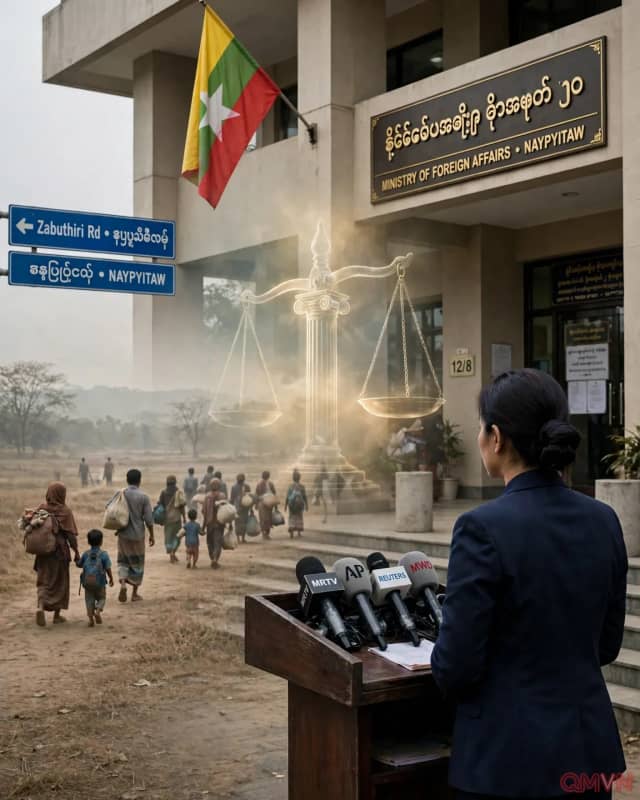
Implementation, however, depends heavily on conditions inside Myanmar, where continuing conflict complicates access and civilian protection.
Transporting refugees across a border would mean little if returnees lacked citizenship documents, secure housing, freedom of movement or livelihoods. The Rohingya seek not only physical residence in their homeland but recognition as people entitled to equal rights. Community representative Sayed Ullah told AP that the verdict affirmed the Rohingya as a distinct ethnic group, a vital point for a population long denied recognition in official narratives.
Bangladesh carries a prolonged burden
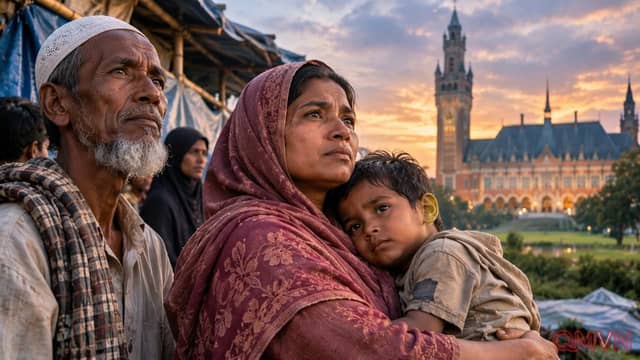
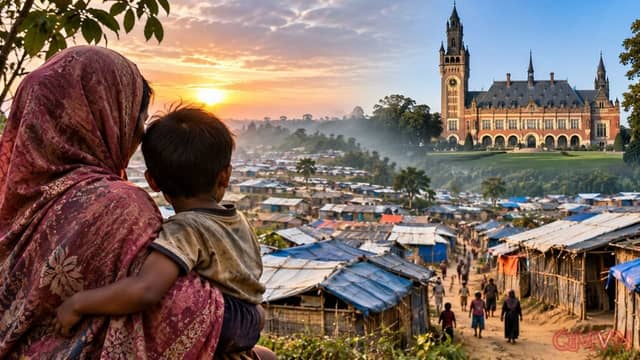
Bangladesh has sheltered most of those who fled the 2017 violence. In the densely packed hills of Cox’s Bazar, fires, disease and seasonal landslides threaten settlements; employment restrictions leave many families dependent on aid. Children face interrupted education and uncertainty about their futures. The legal victory therefore leaves a pressing everyday question unanswered: how many more years must refugees spend without a permanent, secure home?
Bangladesh hopes the ruling will increase pressure for meaningful repatriation discussions. But diplomatic declarations cannot themselves establish safety on the ground. Humanitarian agencies insist that any return must be voluntary, independently monitored and accompanied by protection from violence, coercion and discrimination. The interests of refugees, not simply the political desire to reduce camp populations, must guide the process.
The enforcement test for international law
ICJ judgments are final and binding on the parties, but the court has no police force to implement them. Noncompliance can be brought before the UN Security Council, where diplomatic alignments may shape any response. Myanmar’s authorities rejected the ruling as unfair, signaling that implementation will be contested. The gap between legal obligation and political will remains one of the central weaknesses of international accountability.
Even so, the ruling provides an authoritative record of responsibility and a basis for measuring remedies. It strengthens the claims of victims and offers governments, aid agencies and advocates a common legal reference. For the Rohingya, justice will become tangible only when its promises reach classrooms, identity documents, hospitals and the roads leading back to their villages—not merely the pages of a judgment.