MAIN CONTENT
A brief incursion with substantial diplomatic weight
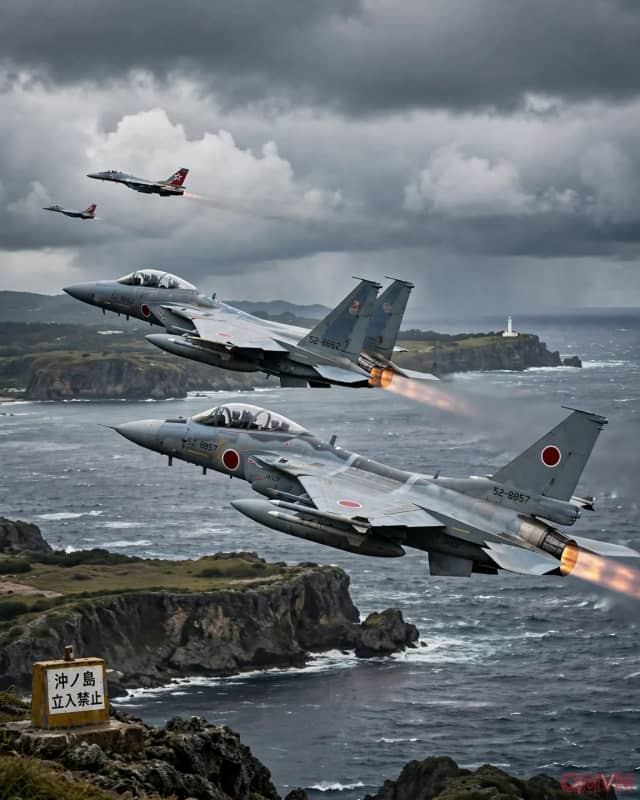
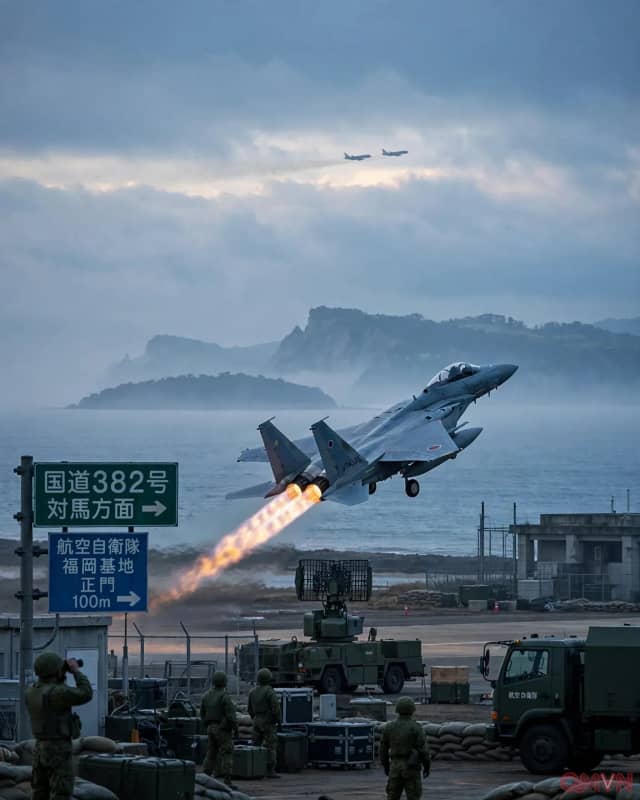
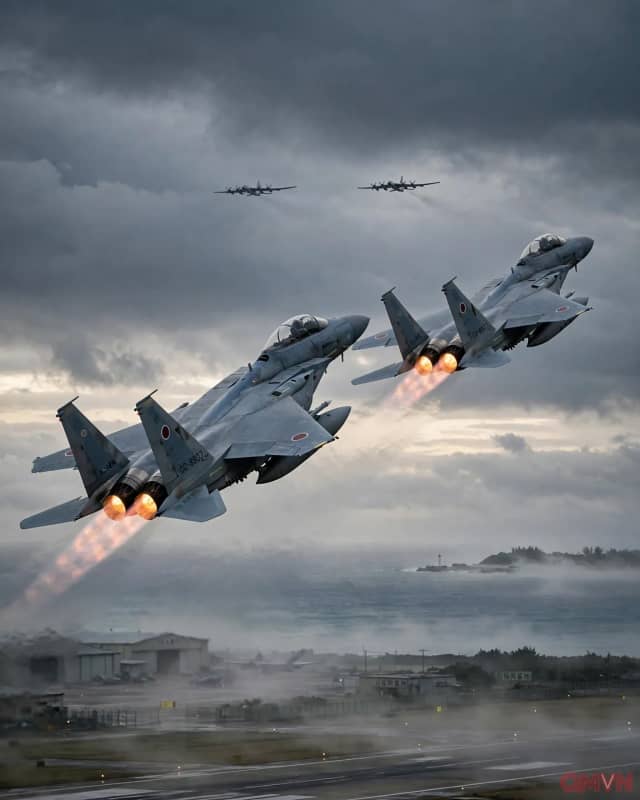
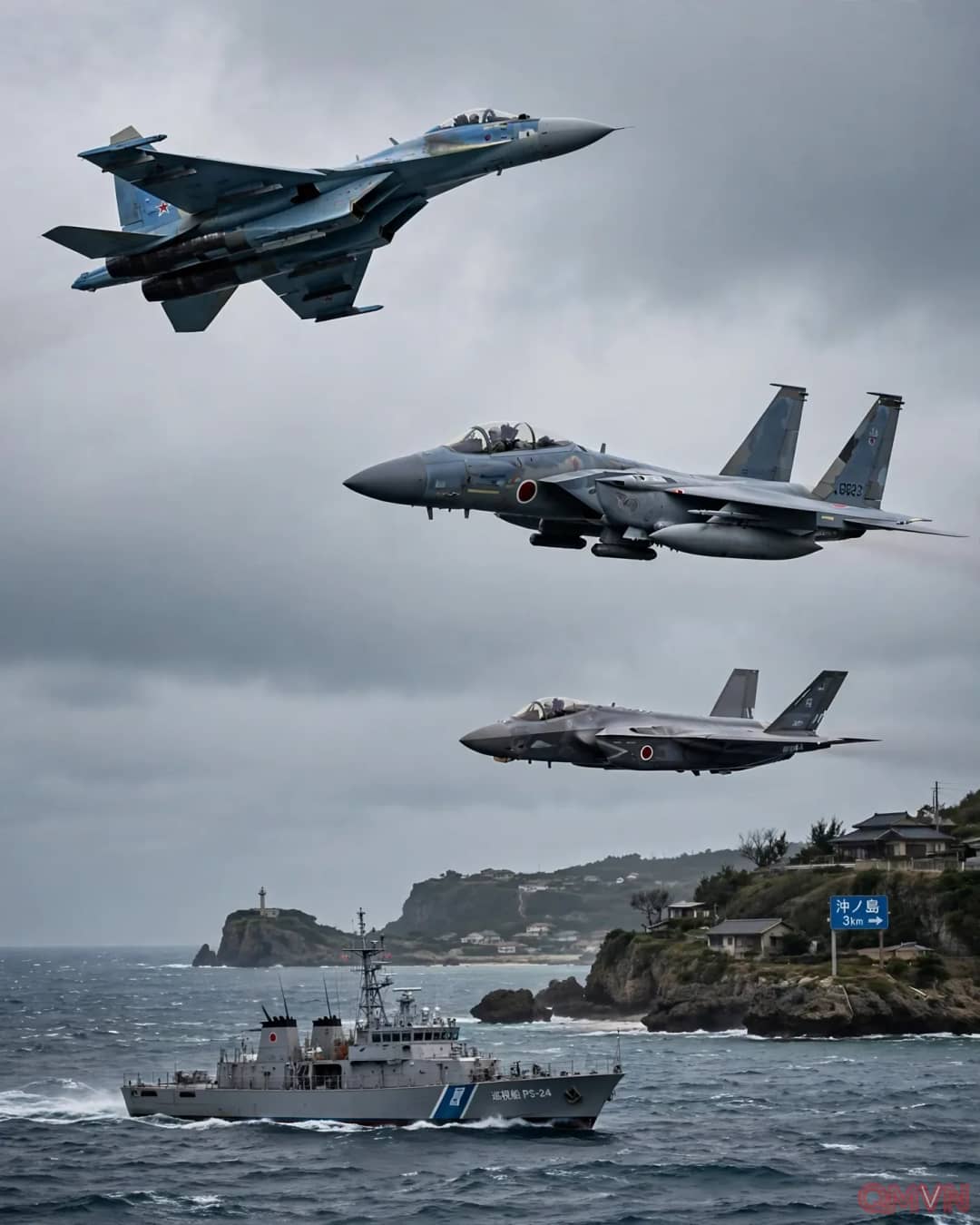
According to Japanese statements reported by Reuters and the Associated Press, two aircraft suspected of being Russian entered Japanese airspace off Okinoshima in the early hours of November 17. Tokyo delivered a formal protest to Moscow and demanded that the incident not recur. Officials' cautious description of the aircraft as “believed to be Russian” matters: attribution, the flight path and the precise location all remain essential details in assessing an incident of this kind.
Okinoshima lies off southwestern Japan in Fukuoka prefecture and should not be confused with Okinawa. Its position in a busy maritime region helps explain why even a short flight across a recognized boundary attracts a disproportionate diplomatic response. In a crowded security environment, reliable warning systems and proportionate reactions can keep an unexpected encounter from becoming a political emergency.
The distinction between an airspace breach and an ADIZ entry
Taiwan's defense ministry reported that two Russian military aircraft passed east of the island before leaving its air defense identification zone south of Taitung. South Korea separately said several Russian military aircraft entered its identification zone over waters between the Korean Peninsula and Japan. Seoul monitored their movements, scrambled fighter aircraft and emphasized that South Korean sovereign airspace had not been violated.