MAIN ARTICLE
An export rebound without peace
The paradox in the waterway connecting the Persian Gulf to the Gulf of Oman is that more oil can sail through even while the passage remains dangerous. Producers and operators are learning to maintain emergency arrangements rather than waiting for fighting to end. According to Kpler figures cited by international news outlets, September crude exports rebounded substantially. Estimates vary because tracking windows, geographic coverage and ships operating without transponders complicate the counting.
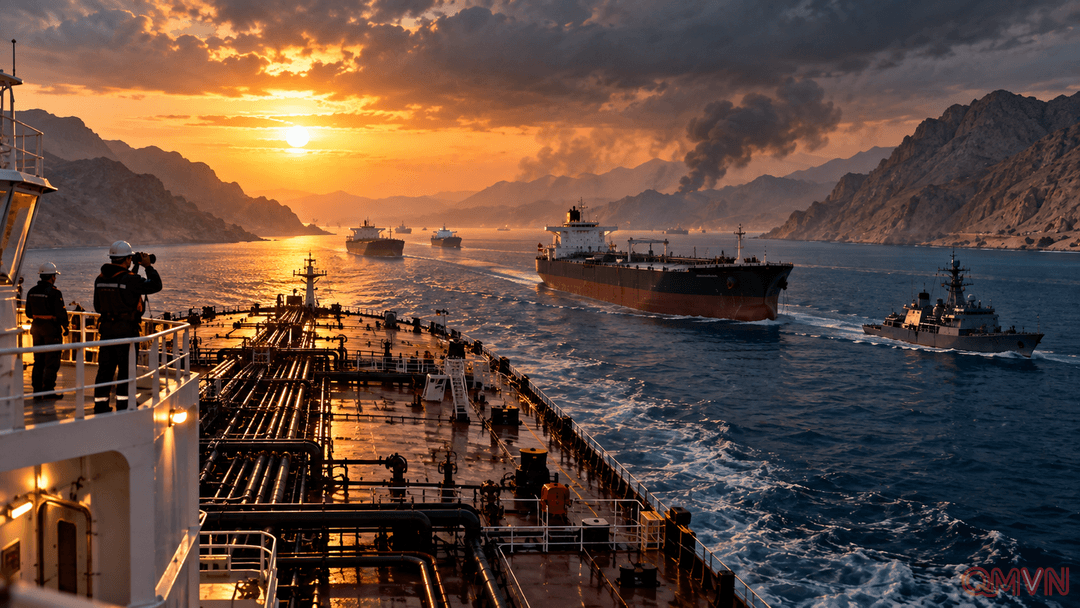
Very large crude carriers can hold as much as two million barrels. Some are now making repeated journeys from loading ports inside the Gulf to locations outside the strait, where cargoes are transferred to waiting tankers. This approach helps reach customers but requires extra vessels, costly coordination and more time exposed to the threat.
A vulnerable shipping corridor
The United Kingdom Maritime Trade Operations, known as UKMTO, recorded a renewed sequence of ship strikes starting on September 28. Its reports describe projectiles of unknown origin, fires, loss of electrical power and damage to an engine room.