A quiet soldier enters politics
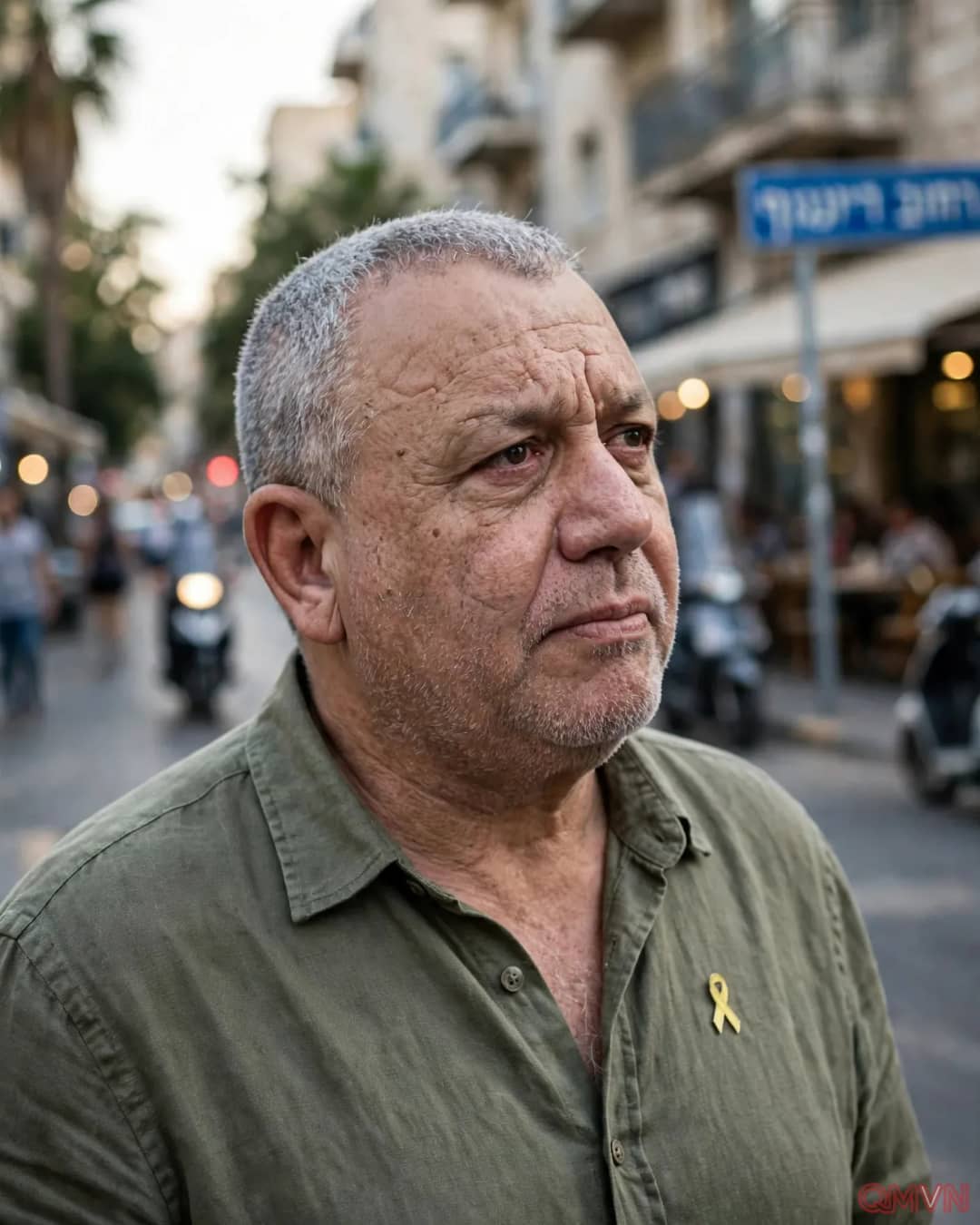
Eisenkot's austere, understated style sets him apart from Netanyahu – a flamboyant, combative politician who is on trial for corruption and, according to polls, is still widely blamed for the security failures of October 7. Yashar, the party he founded in 2025 – its name means “straight” or “honest” in Hebrew – leads Likud in opinion polls, though Israel's fragmented politics mean no one is assured of forming a government.
“He's very likable, not a politician, an everyday person.” — Eitan Shamir
Eisenkot's standing is also bound up with the price his family has paid since 2023: a son and two nephews were killed fighting in Gaza. For many voters, that loss makes him relatable and trustworthy.
41 years in uniform and the “Dahiyeh doctrine”
Eisenkot served in the Israel Defense Forces for 41 years, commanding troops in the West Bank during the second intifada and in the 2006 war with Hezbollah in Lebanon, before becoming chief of staff from 2015 to 2019.
On the campaign trail, he has highlighted his “Dahiyeh doctrine” – a deterrence strategy of responding to attacks with overwhelming destruction, even of civilian infrastructure, in areas used by militant groups, named after Beirut's Hezbollah-controlled southern suburbs.