An unexplained death
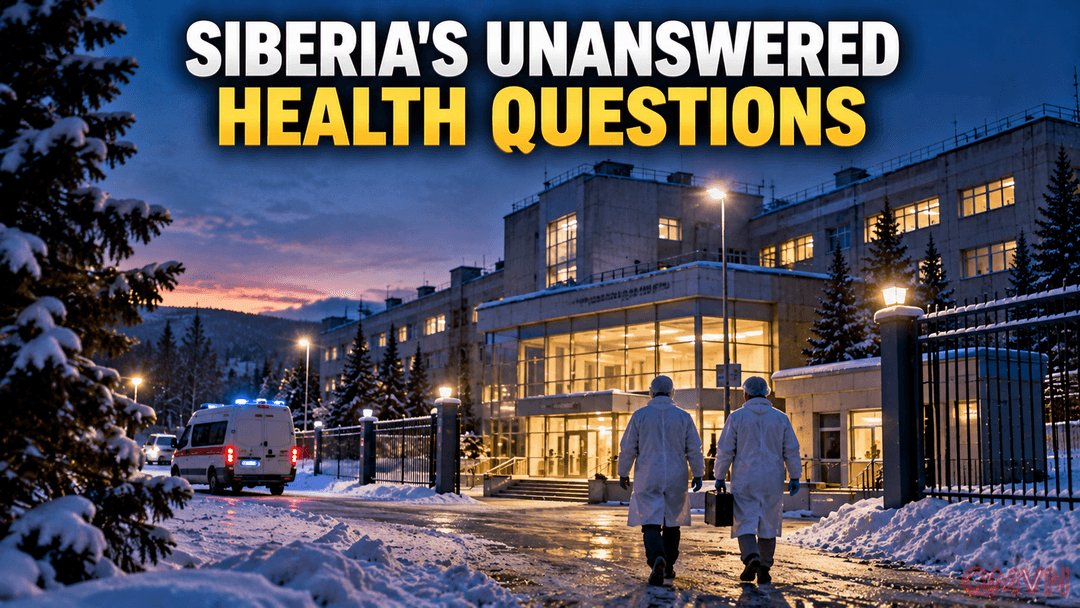
Darya Shipilova died on October 2 after developing pneumonia whose cause Russian authorities have not identified publicly. She worked at the Anti-Plague Institute of Siberia and the Far East in Irkutsk, which studies dangerous infectious diseases. This occupational connection transformed an individual respiratory illness into a case with international implications. Yet employment at a plague institute is not itself evidence that the worker contracted plague.
Officials subsequently isolated and monitored institute employees, hospital patients and other contacts. Russia's health watchdog, Rospotrebnadzor, said nearly 5,000 laboratory tests had not detected dangerous pathogens among those examined, and about 90% of quarantined people had been released. These findings are relevant to the possibility of transmission. They do not, however, establish the medical cause of Shipilova's death.
What is known, and what remains uncertain
The WHO has requested information on the pathogens tested for, the diagnostic methods employed and the circumstances of the fatal illness. Director-General Tedros Adhanom Ghebreyesus also asked Russia to verify media claims about another employee allegedly experiencing unexplained pneumonia.