MAIN CONTENT
A paradox in the numbers
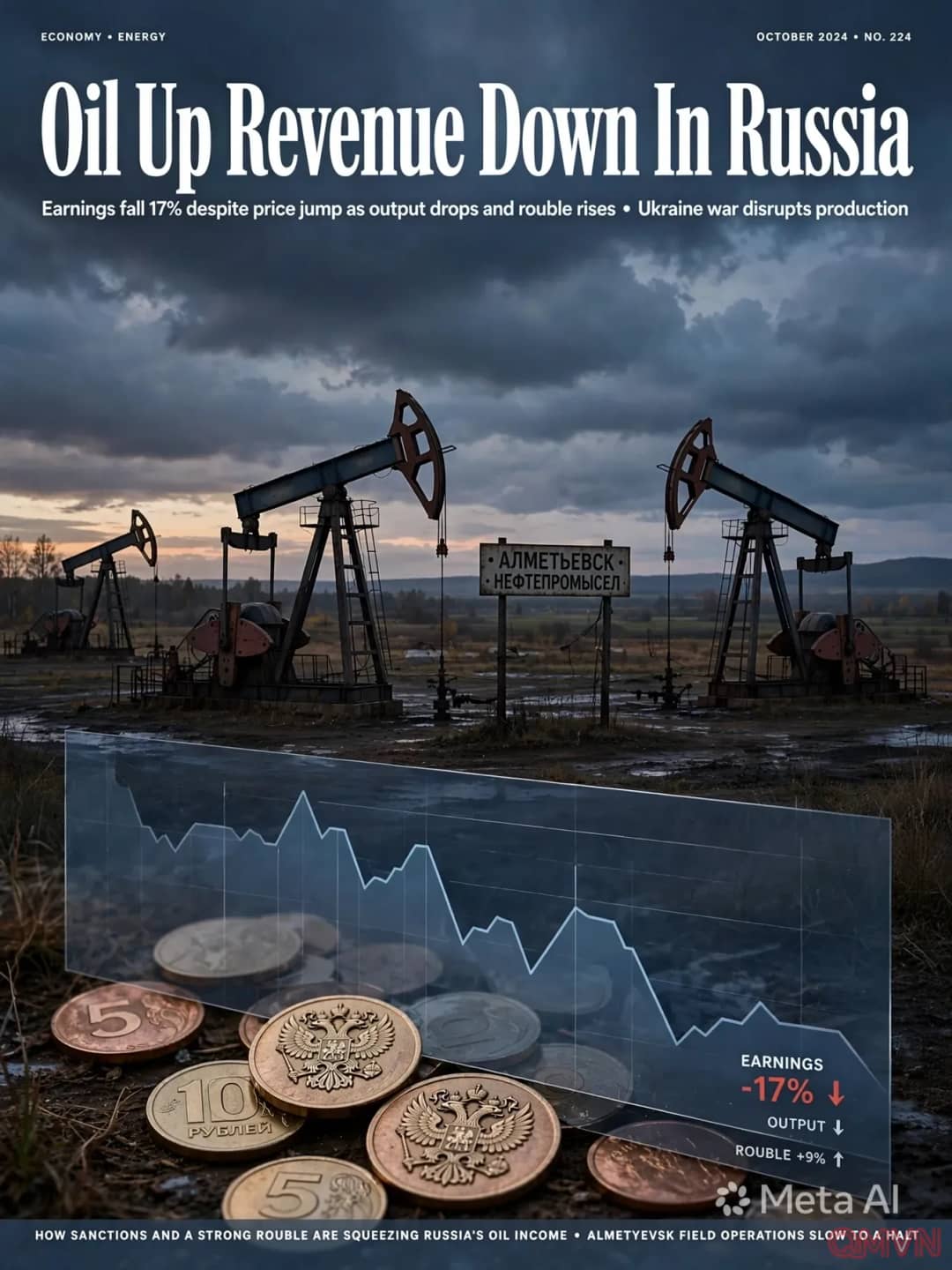
On paper, 2026 should have been a windfall year for the Kremlin's coffers. Supply disruptions in the Middle East sent oil prices sharply higher, and Russian barrels, long sold at steep discounts under Western sanctions, suddenly found eager buyers. Yet the finance ministry's figures tell a different story: revenue from taxes linked to oil and natural gas production fell by roughly a sixth in the first nine months of the year.
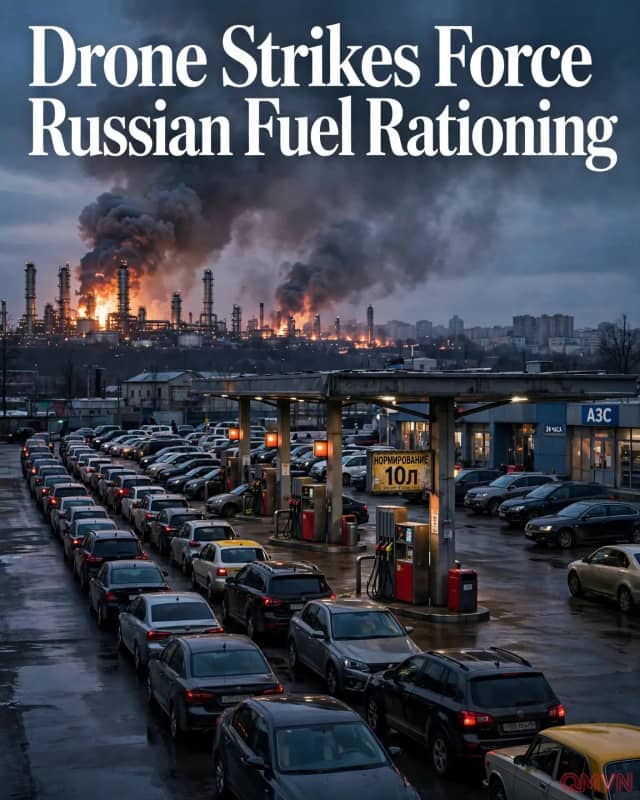
The explanation lies in three forces pulling against the price rally: shrinking output, damaged export infrastructure and a currency that has strengthened just when the budget needs it weak. Together they have turned what looked like a lifeline into a modest and uncertain cushion.
Urals at its highest in over a decade
Russia's main export grade has rarely looked so valuable. According to LSEG data cited by Reuters:
- Urals loaded at the Baltic port of Primorsk sold for about 45 dollars a barrel before the conflict involving Iran began on 28 February.
- It reached 113.89 dollars on 8 April, its highest level since 2013, as spot markets reacted to Middle East supply disruptions.