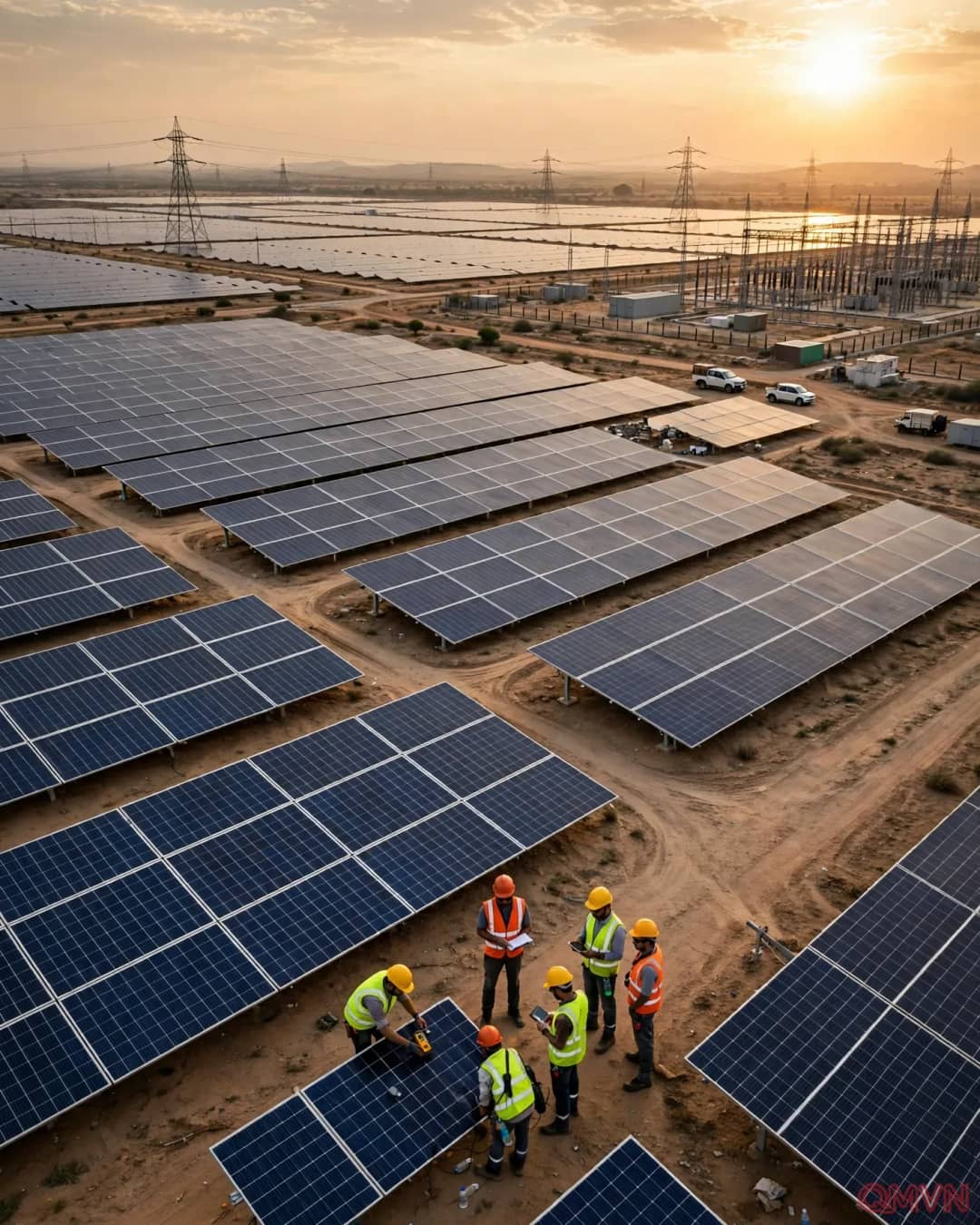
A $220 billion bill
Sarangi's estimate puts a price tag on one of the world's most ambitious energy transitions. To lift non-fossil fuel capacity from about 308 GW today to 500 GW by 2030, India must add roughly 45 to 50 GW a year, a pace analysts say is achievable only if investment, grid expansion and power demand move in step. The 500 GW goal is a milestone on the road to net-zero emissions by 2070.
The investment will be spread across the entire clean energy chain, not just new solar panels and wind turbines. According to Sarangi, the main areas requiring funds are:
- Solar and wind power generation
- Battery energy storage systems to balance intermittent supply
- Green hydrogen and its derivatives, such as green ammonia
- Transmission infrastructure to carry renewable power across the country
Halfway to the goal, and racing
India has already made remarkable progress. In 2025 it added a record of around 40 GW of solar capacity, helped by large utility-scale parks and a rooftop solar programme for households, and it passed the milestone of having half its installed power capacity come from non-fossil sources years ahead of its Paris Agreement commitment. More than 150 GW of renewable projects were under construction by mid-2026.