A memorial turned into a victory speech
Qaani chose a deliberately symbolic stage. The ceremony in Tehran marked two years since Israeli strikes in Beirut killed Hassan Nasrallah, Hezbollah's long-time leader, and his designated successor Hashem Safieddine — losses that many analysts at the time saw as a turning point against the network of allies Iran has spent four decades building. Qaani used the occasion to argue the opposite: that the network had bent, but not broken.
According to Iranian media accounts of the speech, he said American planners had expected Iran to capitulate within four days, or two weeks at most, after the US-Israeli strikes began on February 28. Instead, he credited the endurance of ordinary Iranians and the country's military preparedness for surviving a war that has now lasted seven months. He also invoked the late Supreme Leader Ayatollah Ali Khamenei, killed in the opening phase of the conflict, and his call for unity among Muslim nations, proposing a common front “for defense, independence and dignity” stretching from Afghanistan to Yemen and from Iran to Gaza and Lebanon.
One withdrawal, three narratives
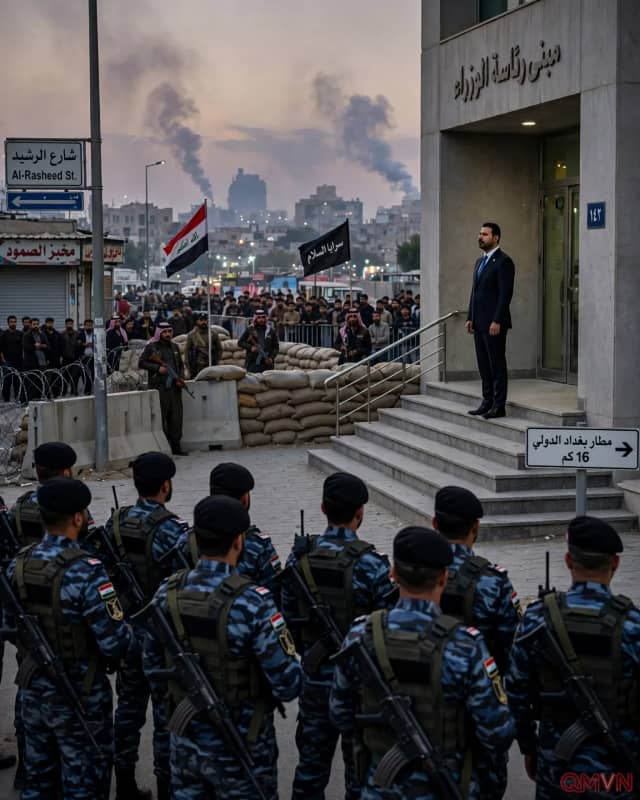
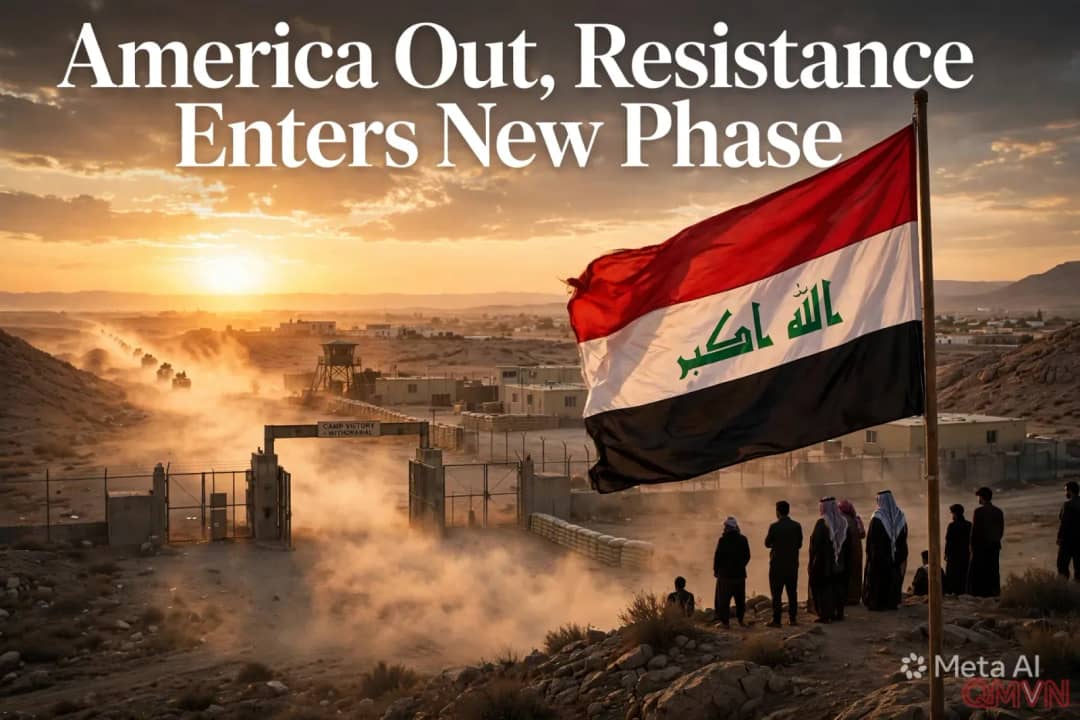
The event at the heart of the speech is not in dispute. On September 30, the US military announced that its remaining troops had left the air base in Erbil, in Iraq's semi-autonomous Kurdish region, under a deal first negotiated by the Biden administration in 2024 and carried forward by President Donald Trump.