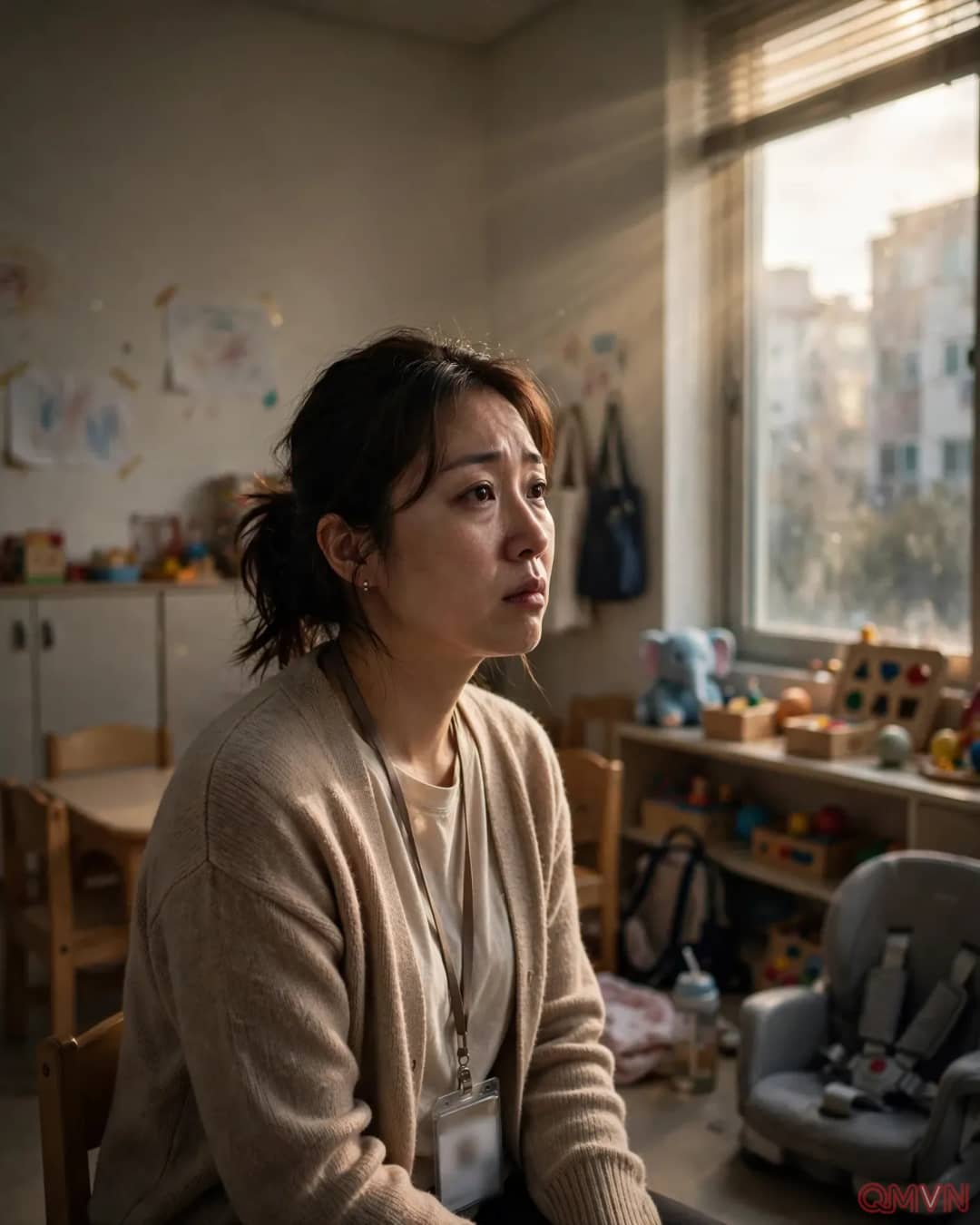
Early detection, but who will teach?
For a child with a disability, the earliest years are a golden window for intervention. Recognising this, South Korea’s Education Ministry launched a pilot programme bringing special education support to daycare centres. According to Rep. Kang Kyung-sook of the Rebuilding Korea Party, the ministry last year screened and assessed 7,097 children aged 0 to 5, provided care services to 1,334 and transport subsidies to 362.
Yet the programme added not a single special education teacher at daycare centres. That, Kang said, leaves a gap between identifying children in need and actually giving them the education and care they require.
Under the enforcement decree of the Act on Special Education for Persons with Disabilities, one teacher may teach up to four students. With 16,993 children aged 0 to 5 needing special education, 4,249 teachers are required, but only 58 percent of those positions are filled.
More students, fewer teachers
The picture in public schools is no brighter. The number of students eligible for special education at public kindergartens and elementary, middle and high schools has risen 19.8 percent over four years to 124,195 this year.