MAIN ARTICLE
Last-minute campaigning focuses on the polling queue
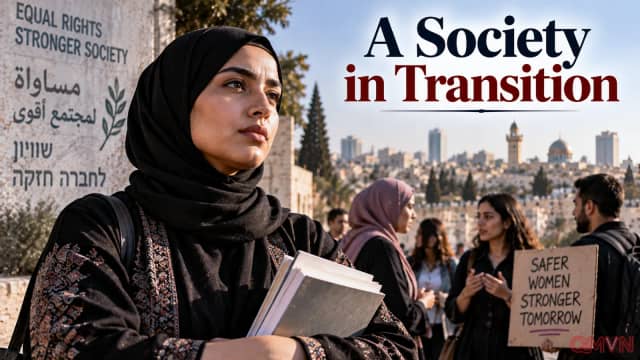
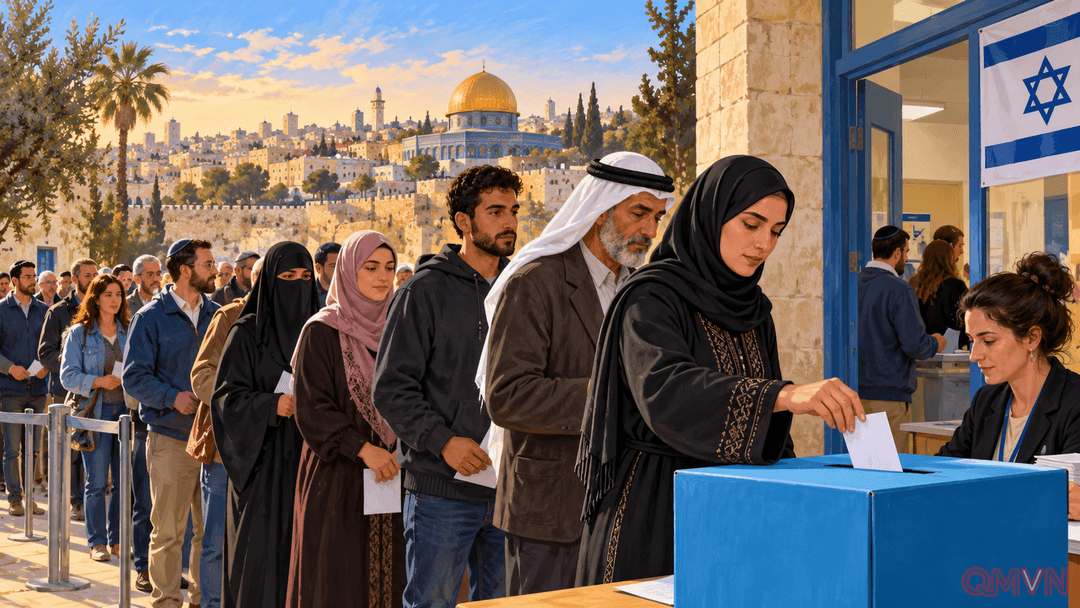
On election day, Reuters reported that cars bearing Likud flags drove through Jerusalem and urged people to vote because Arab citizens were turning out. Netanyahu pointed to queues at polling stations serving Arab communities and posted images he said depicted Arab voters. The strategy turned an ordinary measure of democratic participation into an emotionally charged campaign theme at a moment when every potential parliamentary seat mattered.
Netanyahu warned his base that staying home could help bring about a government associated with Arab politicians Mansour Abbas and Ahmed Tibi. That was a campaign argument, not evidence that such a coalition had been agreed. Whether leaders can build a governing majority depends on the final distribution of seats and on negotiations among parties whose positions differ sharply on security, identity and public policy.
Arab political leaders present participation as a civic achievement
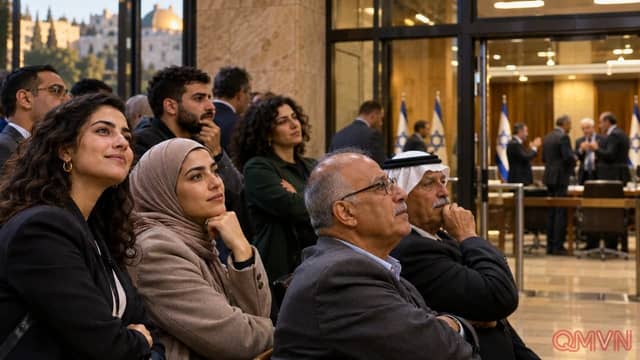
Arab citizens, many of Palestinian heritage, account for about 21% of Israel’s population. Their electoral participation has often lagged behind that of Jewish Israelis.