MAIN CONTENT
A wake-up call from a force operating on a far smaller budget
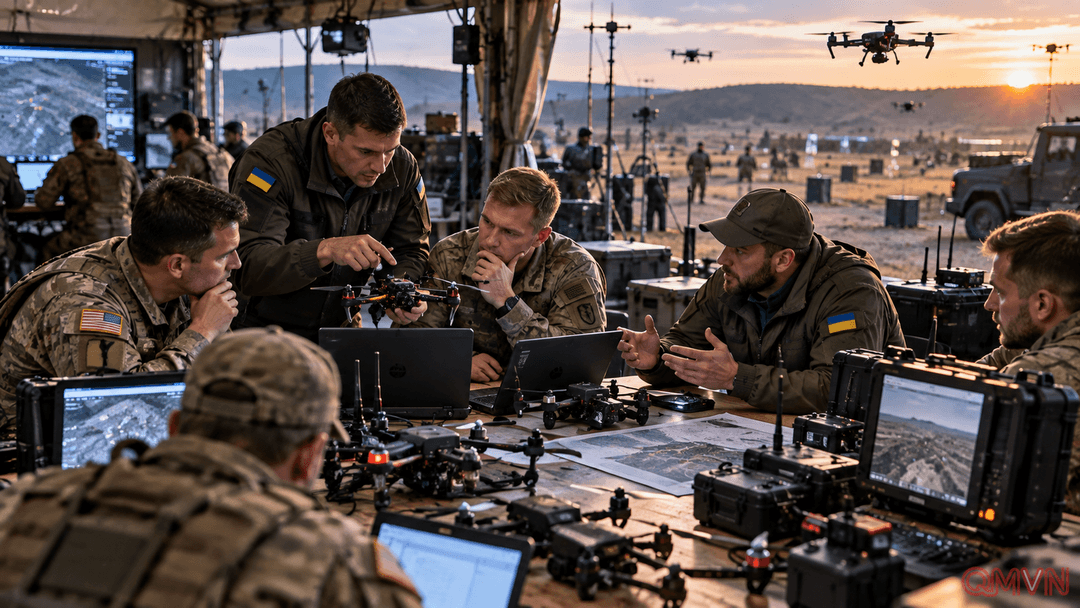
In a Rolling Stone interview published on October 4, Dan Driscoll said what struck him most was the contrast between the scale of U.S. military spending and Ukraine’s ability to produce tools suited to immediate battlefield needs. Ukraine has been forced to adapt under constant pressure, in an environment where a useful technology can become obsolete within weeks once the opponent finds a countermeasure.
Driscoll had long advocated heavier investment in drones, counter-drone systems and rapid experimentation units. His central argument is that military innovation cannot depend only on acquisition cycles lasting many years. A cheap system that can be produced, modified and replaced quickly may have greater battlefield value than an expensive platform that is technologically impressive but slow to update.
The U.S. Army has already begun changing doctrine and experimentation
Driscoll’s criticism does not mean the U.S. military has stood still. In 2026, the U.S. Army publicly said it was revising force-wide doctrine to reflect the proliferation of unmanned systems and adding lessons from the Russia-Ukraine war to training and operational manuals.