MAIN CONTENT
A familiar answer in a very different political climate
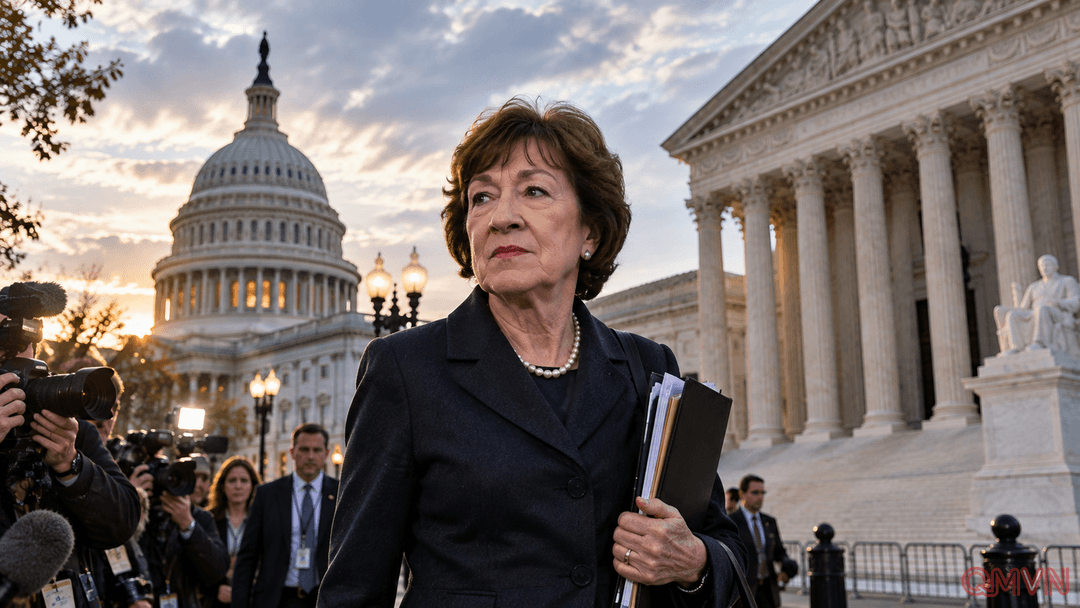
Asked whether she would use the same process if President Donald Trump gained another opportunity to nominate a justice, Susan Collins answered “Yes.” She described a process built around a thorough background review, a personal meeting with the nominee, and conversations with people who know the candidate’s legal work, judgment and temperament. The approach fits the political identity Collins has cultivated for years: a moderate Republican who argues that nominees should be considered individually rather than automatically through party loyalty.
Collins also points to her voting history as evidence. She supported Sonia Sotomayor, Elena Kagan and Ketanji Brown Jackson, three Democratic presidential nominees who received Senate confirmation votes during her tenure. That record helps her make the case for independence. But it cannot remove the reality that a new Trump nomination would unfold in a far more polarized environment, where a handful of Senate votes could alter the Court’s ideological balance for decades.
Kavanaugh remains the long shadow over Collins
The pressure begins with Collins’s 2018 vote for Brett Kavanaugh. At the time, she said she had seriously weighed the allegations against the nominee and emphasized the principles of presumption of innocence and fairness.