MAIN CONTENT
The budget becomes a battlefield
The most immediate source of congressional leverage is money. According to Reuters, the administration is seeking to lift the annual defence budget from approximately $950 billion to $1.5 trillion, alongside another $67 billion for operations related to Iran. Opponents can seek restrictions preventing appropriated funds from being used for specified hostilities, although the legal drafting and treatment of existing funds matter. Refusing to endorse an increase is not, by itself, equivalent to ending all ongoing military operations.
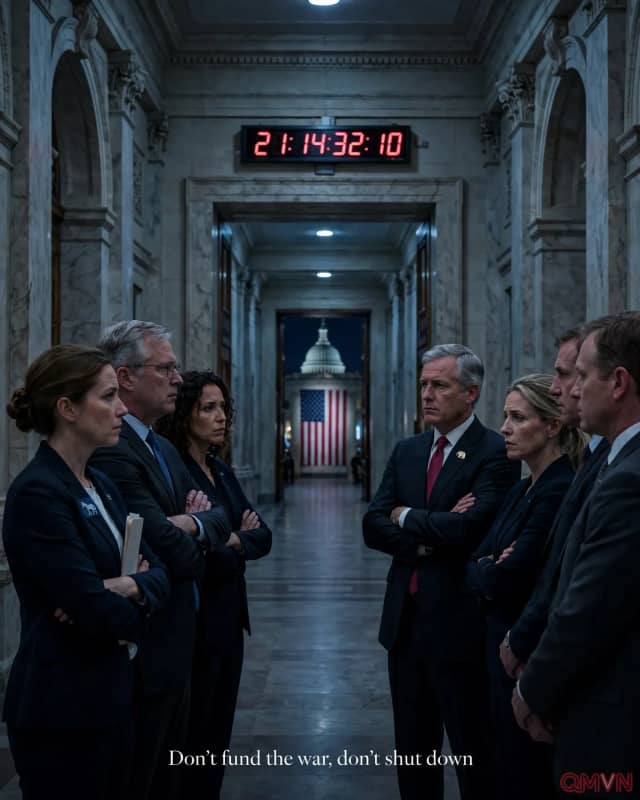
A government funding measure expires on December 11. A failure to reach agreement could cause a shutdown, with effects stretching beyond the armed forces to public services and federal workers. Republicans presently leading the House argue that they will not knowingly deliver legislation the president intends to veto. After January 3, Democratic control of both chambers, as reported by Reuters, could change which proposals reach a vote, but cannot eliminate the president’s veto or Congress’s political responsibilities.
War powers meet constitutional limits
The Constitution divides authority over armed conflict. Congress controls declarations of war and appropriations, while the president commands the military. The 1973 War Powers Resolution established reporting and withdrawal procedures designed to prevent indefinite unilateral hostilities.