An ultimatum until the end of October
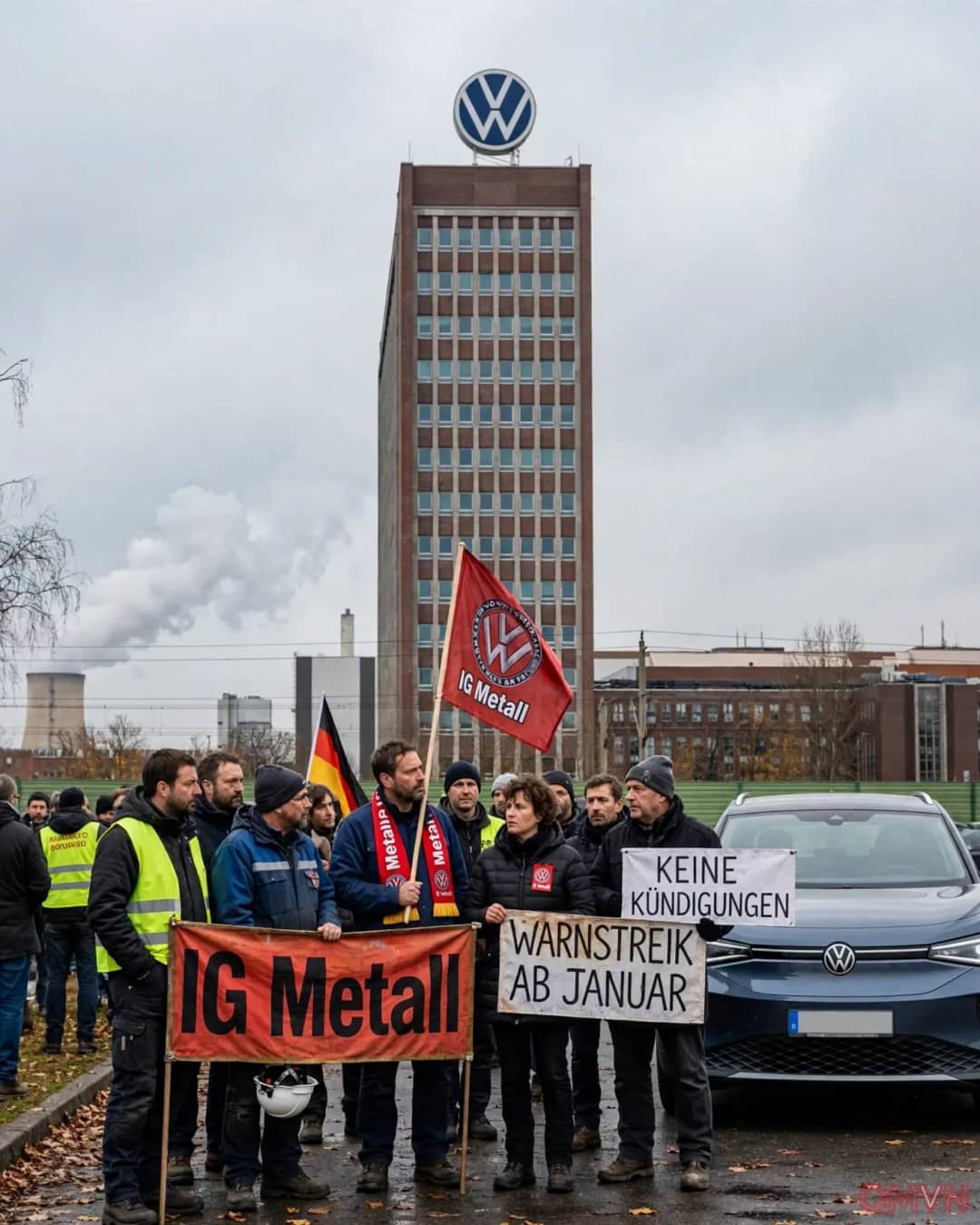
Speaking in Hanover, where unions and management met for a fresh round of talks, IG Metall's chief negotiator Thorsten Groeger said the company had until the end of October to withdraw its notice of termination. Otherwise, a massive process would be set in motion, paving the way for industrial action at Volkswagen.
Industrial action typically includes strikes, which are ruled out before January 1 under a current truce. Groeger told management to mark that date clearly in their diaries.
After Friday's talks, IG Metall said Volkswagen was sticking with its decision, forcing the union to prepare for a clash in the new year.
The biggest overhaul in its history
Volkswagen's restructuring plan includes the following key elements:
- Cutting 100,000 jobs
- Possibly closing up to four plants in Germany
- Cutting €20 billion ($22.4 billion) in costs along the value chain by 2030
- Reducing overhead costs by a further €11 billion
- Terminating almost all wage agreements in Germany, putting working hours and holiday pay up for renegotiation
According to Volkswagen, these measures are necessary as the group faces fierce competition from Chinese carmakers, tariff costs running into billions of euros and an extremely costly shift to electric vehicles.
Two views of the 2024 promise
The union accuses the carmaker of shirking commitments made in a landmark deal at the end of 2024, while Volkswagen says it is pursuing every available option to cut costs and protect its competitiveness. Executive Arne Meiswinkel argued that the economic situation had deteriorated dramatically since the collective agreement for the future was concluded in 2024:
This creates an urgent need for action.
On Monday, Volkswagen's works council said the executive board plans to freeze the salaries of 660,000 employees worldwide until 2030. Works council chief Daniela Cavallo said workers understand which operating conditions have changed, but also know which were foreseeable, and that she expects the country's highest-paid management board to work with them to find a solution.
The road map for talks
According to Volkswagen, the two sides will begin official negotiations on the cancelled agreements on November 24 at the Emden site and continue on December 15 in Zwickau. The company declined to comment on specific cost-cutting measures, but said solutions could include so-called transfer companies, set up with support from the Federal Employment Agency to retrain workers and help them find new jobs outside Volkswagen.
The confrontation comes as Europe's car industry is mired in difficulty: on the same day, Volvo Cars reported heavy losses and 2,500 more job cuts. For Germany, where the car industry is a pillar of the economy, the outcome of the talks at Volkswagen will matter far beyond a single company.