Two allies, one fate
Orbán and Vučić once looked invincible. Both were long-serving nationalist leaders accused of taking over state institutions and building business empires overlapping the two countries. Both were close to Russian President Vladimir Putin and Chinese President Xi Jinping and strongly supported Milorad Dodik, the separatist leader of the Bosnian Serbs.
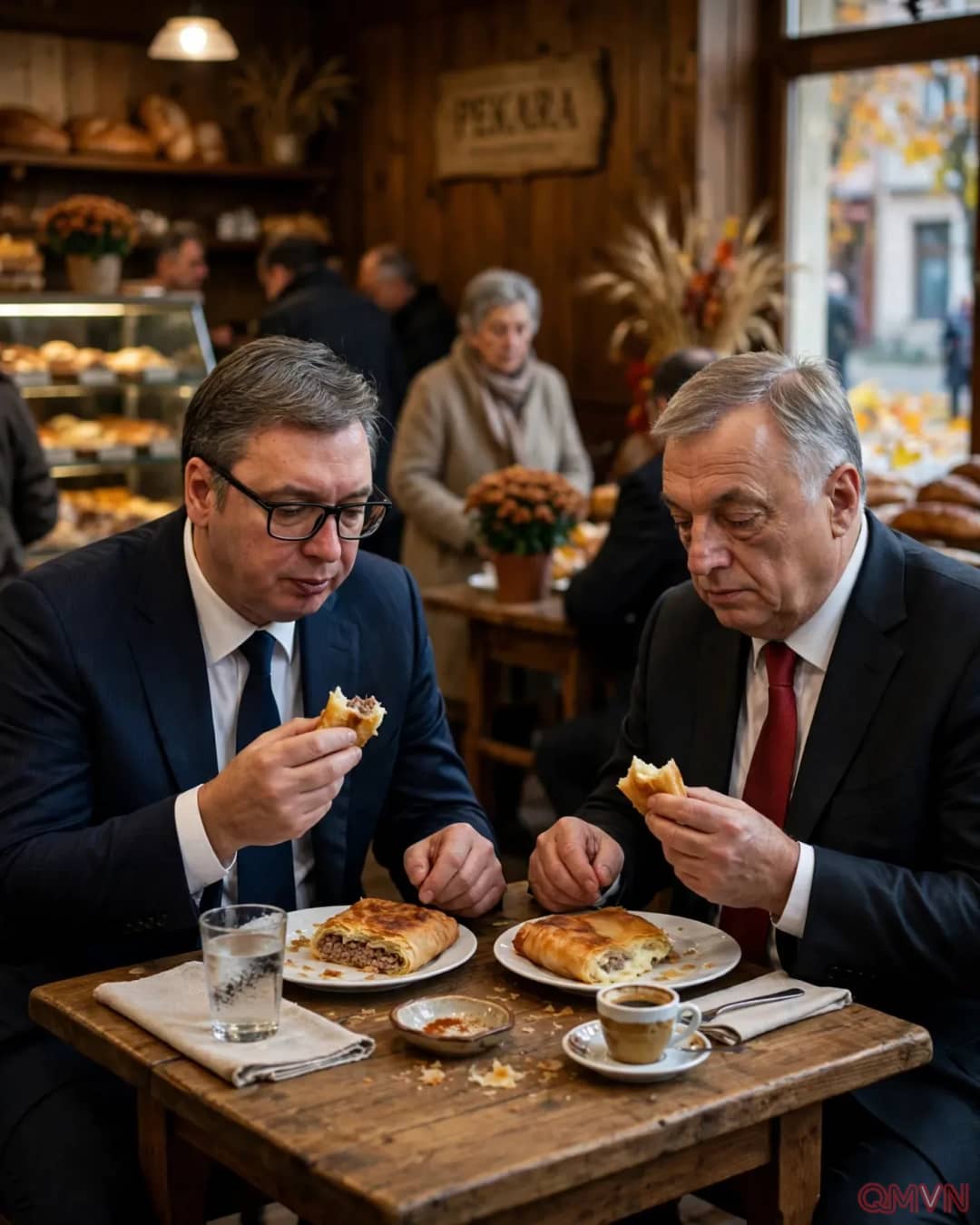
At their meeting in Subotica, after a lunch of burek, Orbán choosing cheese and Vučić meat, the two went on to a winery to discuss oil and business deals, including Hungary's planned purchase of Serbia's NIS oil refinery. A high-speed railway between Belgrade and Budapest is also being built with Chinese finance and know-how.
Youth and technology
Tisza in Hungary revolves around its leader's personality, while the Student List in Serbia insists it has no leadership. But in both countries, the huge turnout of 79% in Hungary and 69% in Serbia was driven by tech-savvy young people. They:
- Used artificial intelligence tools to crunch data and identify threats to the vote.
- Identified “infected” polling districts in advance, where unusually high votes for the ruling party in earlier elections suggested voter intimidation or fraud.
- Mobilised tens of thousands of monitors, combining stationary teams with mobile ones.