MAIN ARTICLE
A reunion beneath the seabed
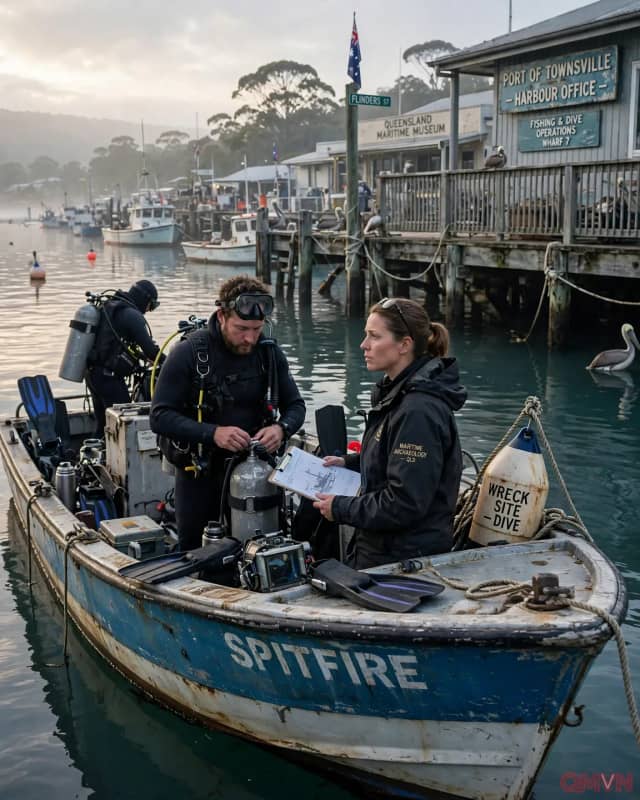
This was not an accidental encounter by passing sailors. Australia’s Defence Department says the operation involved the Australian National Maritime Museum, Queensland heritage specialists and the Royal Australian Navy. The minehunter HMAS Diamantina supported an approximately month-long search. Researchers narrowed down their target through archival evidence, then examined the seabed with divers and remotely operated vehicles. Their achievement lies as much in connecting documentary clues as in the technology used underwater.
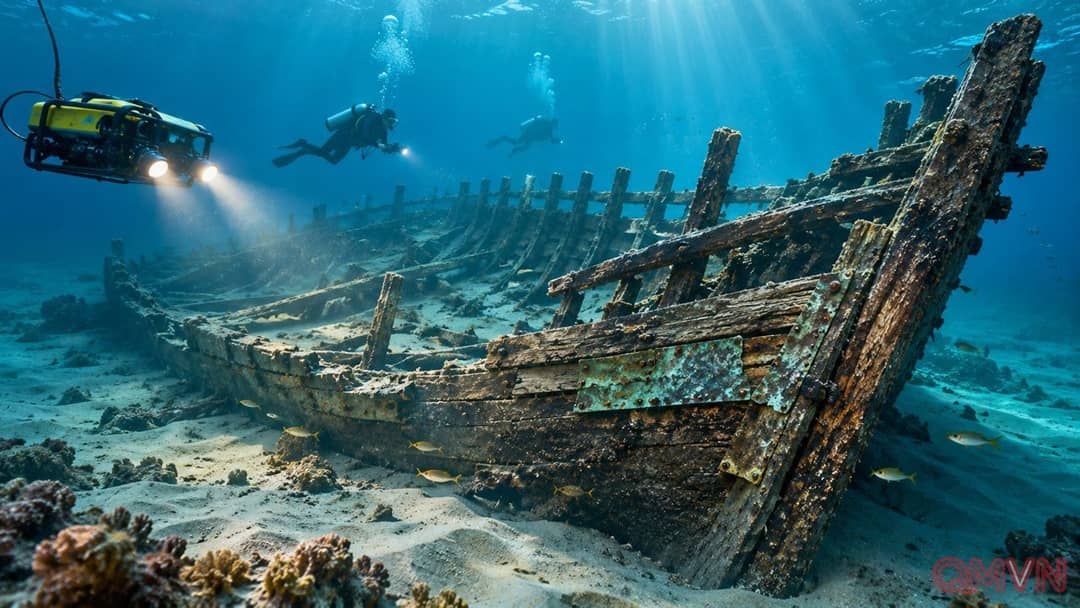
On August 21, precisely the 128th anniversary of the sinking, the team identified remains near Piper Island. Roughly 16 metres of the vessel’s structure were exposed, while much of the wreck remained sheltered by sand. The striking coincidence gave the discovery unusual resonance: a ship lost on a particular day returned to public knowledge on that same date generations later. Its existence was disclosed in November only after interagency notification procedures associated with protected wreck sites had been completed.
A modest warship born from invasion fears
Spitfire was launched in 1855 at John Cuthbert’s Darling Harbour shipyard in Sydney, when British colonies in Australia feared that the Crimean War might bring Russian naval forces into Pacific waters. Recent gold discoveries had made New South Wales and neighbouring Victoria economically attractive and, in the eyes of colonial officials, potentially vulnerable.