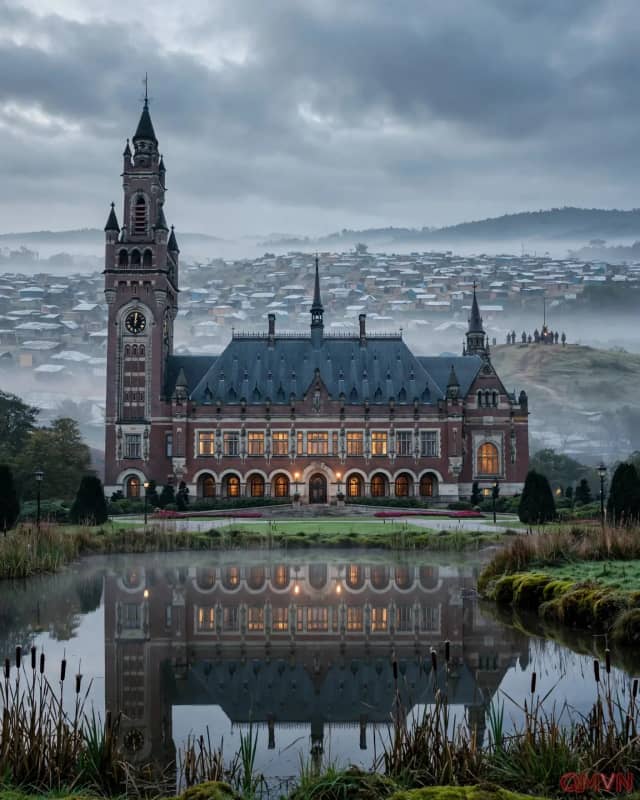
A first in the Peace Palace
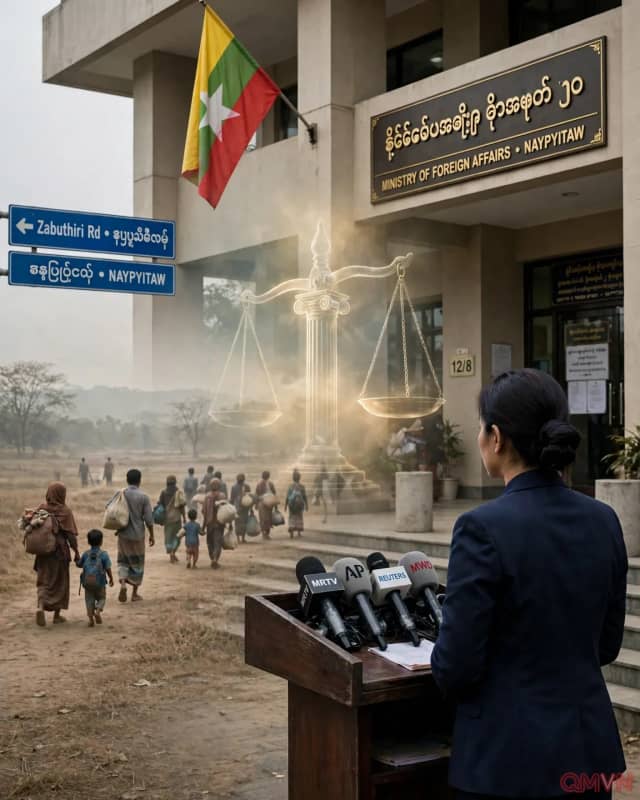
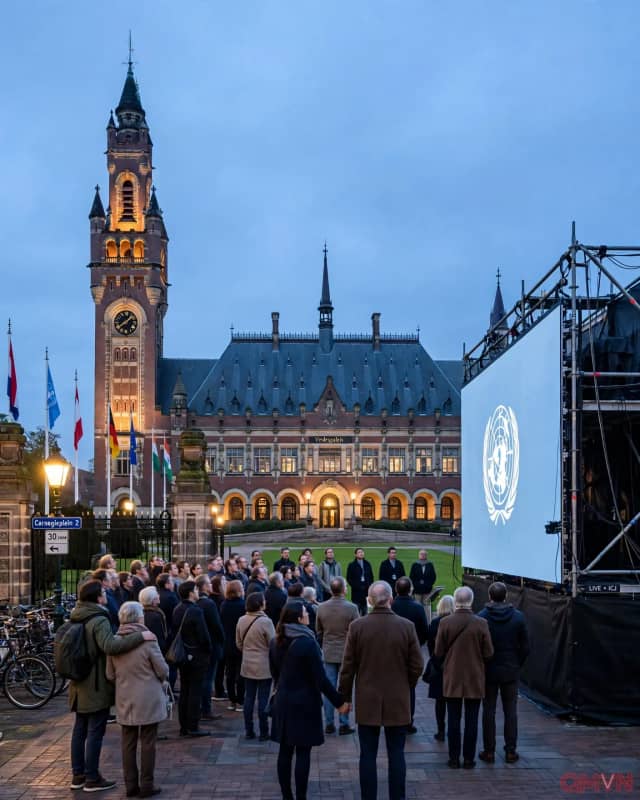
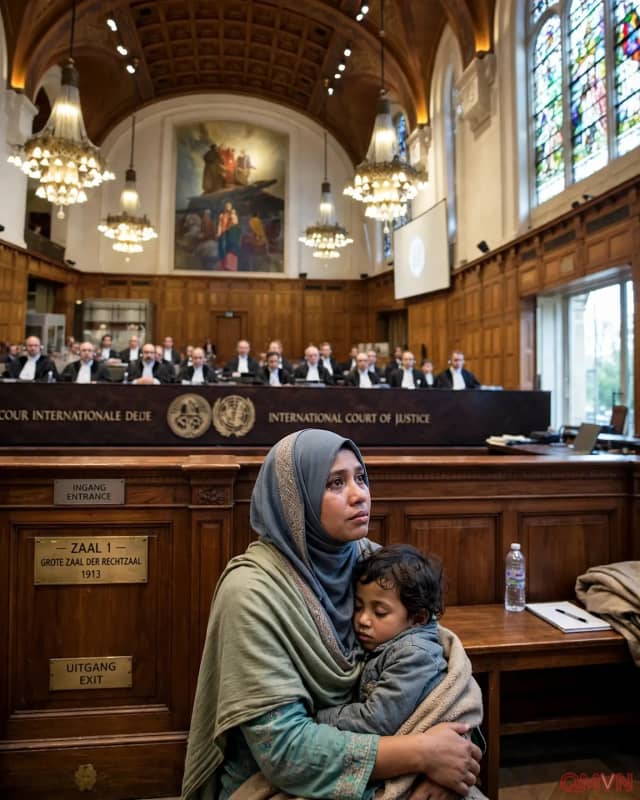
For years the word genocide hung over the Rohingya story without the weight of a court behind it. On Thursday that changed. In a judgment decided by nine votes to six among the 15 judges, the court found that Myanmar had violated the 1948 Genocide Convention, and it set aside Myanmar's long-standing defence that its soldiers were simply fighting Rohingya militants who had attacked police posts.
The Court finds that Myanmar's security forces killed thousands of Rohingya civilians.
Reports on the judgment said the court put the number of Rohingya killed at around 10,000, and described rape, the targeting of children and attacks on families escaping towards the border. The judgment is final and legally binding, but the court has no police force of its own; if Myanmar fails to comply, the path runs through the UN Security Council, where political divisions have often stalled action.
From Cox's Bazar, a long-awaited answer
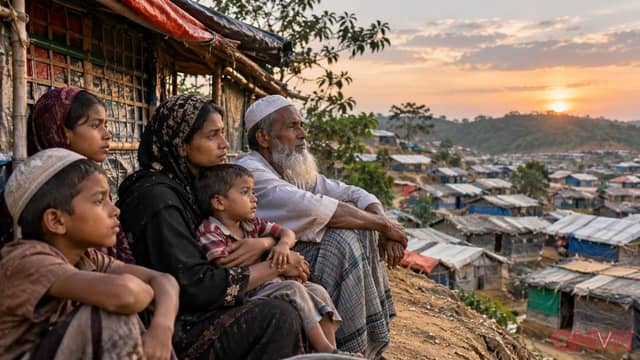
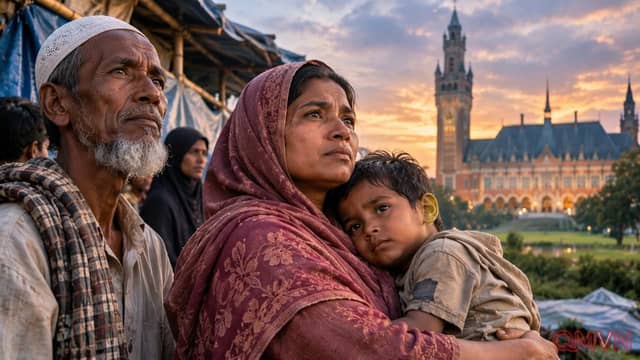
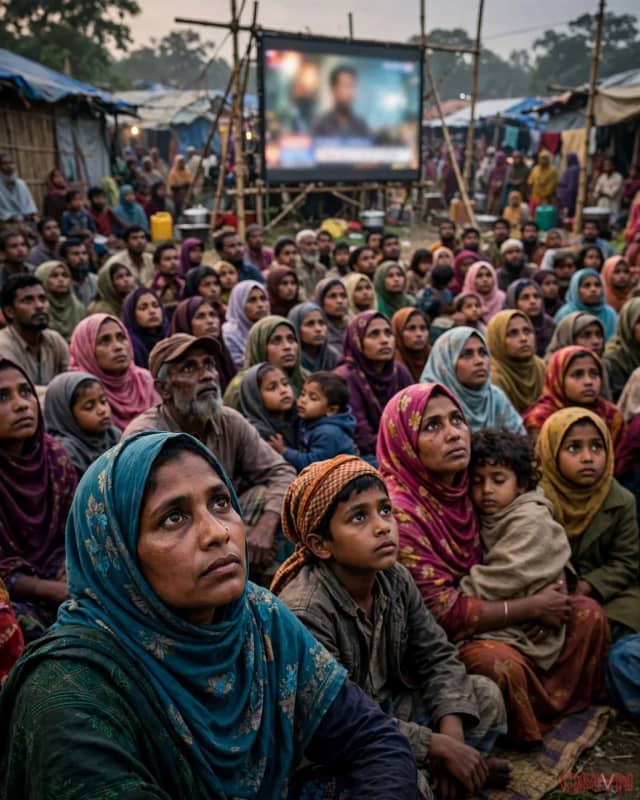
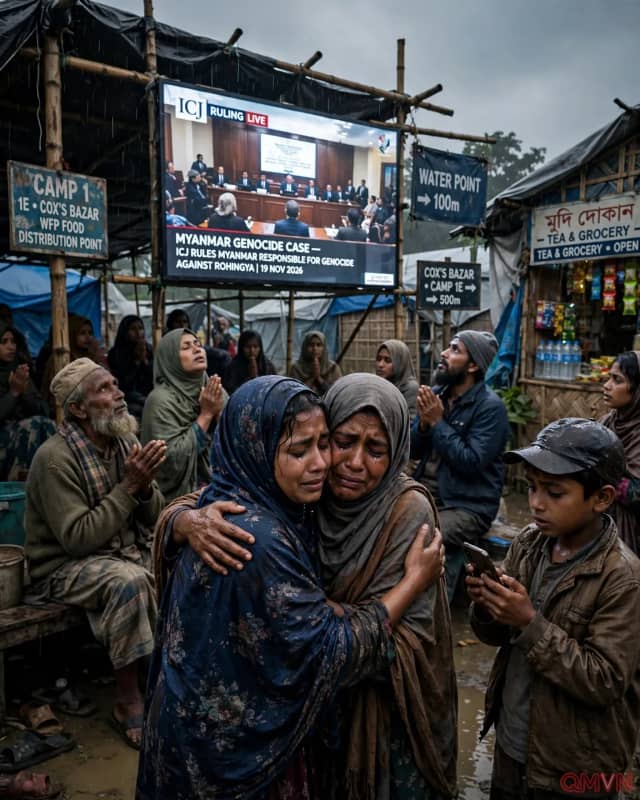
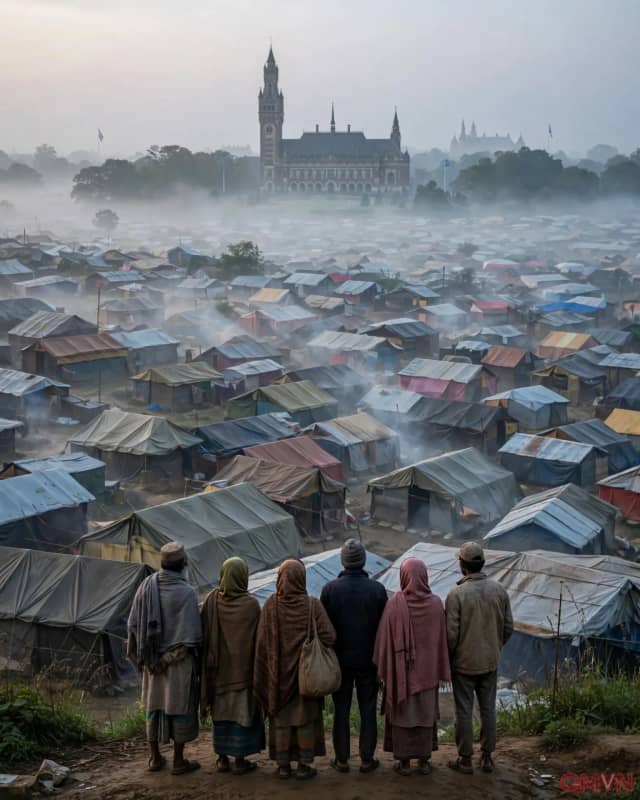
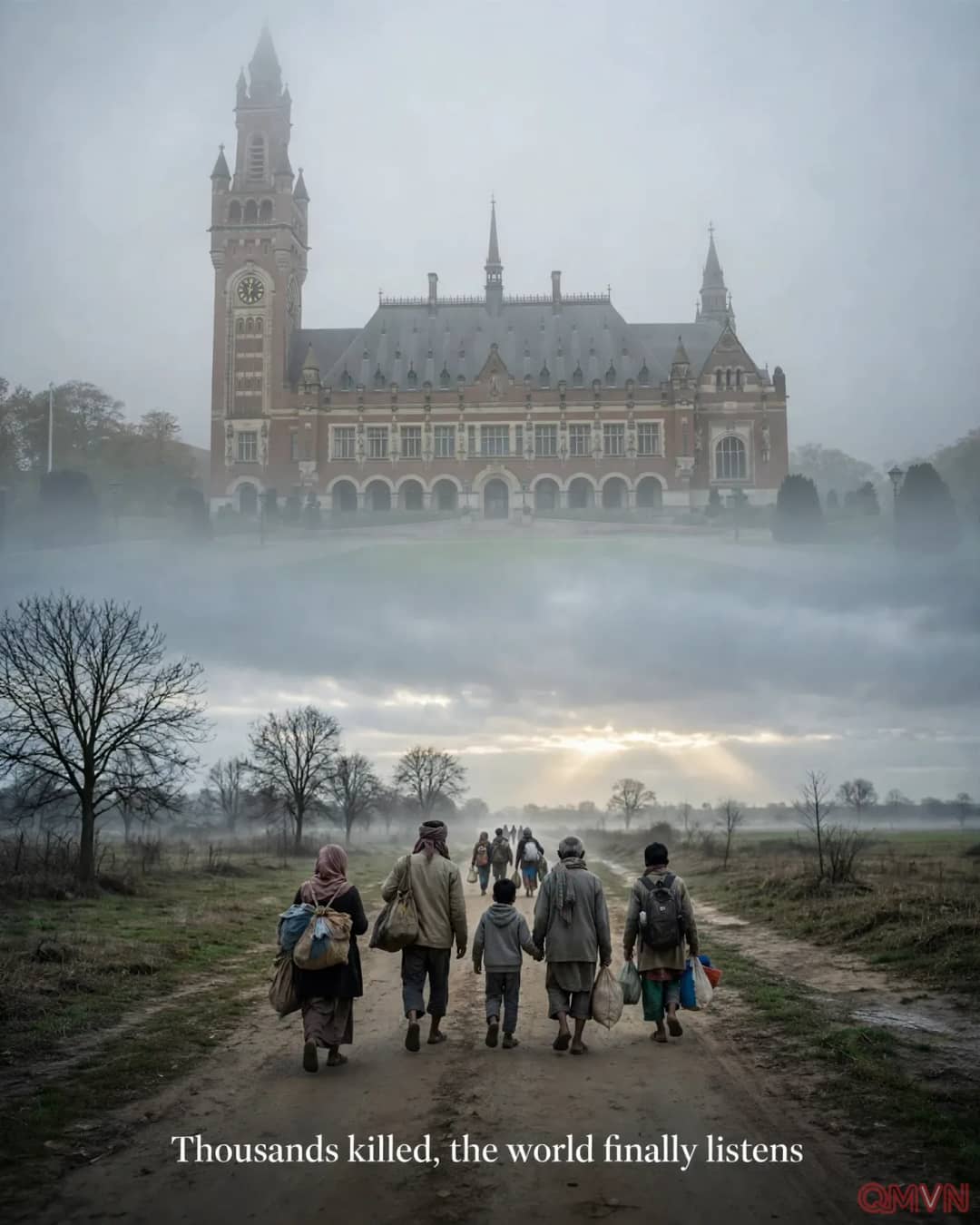
Some 1.2 million Rohingya refugees now live in Bangladesh, most of them in the crowded camps of Cox's Bazar, the world's largest refugee settlement. Many followed the hearing on phones and television screens, nine years after they crossed the Naf River with little more than their children and their memories.