A stern verdict in the Philippine capital
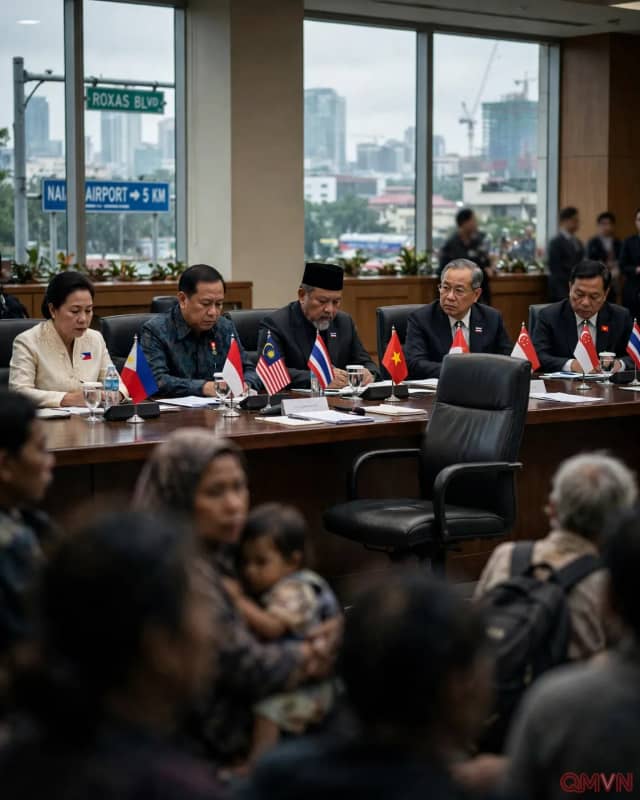
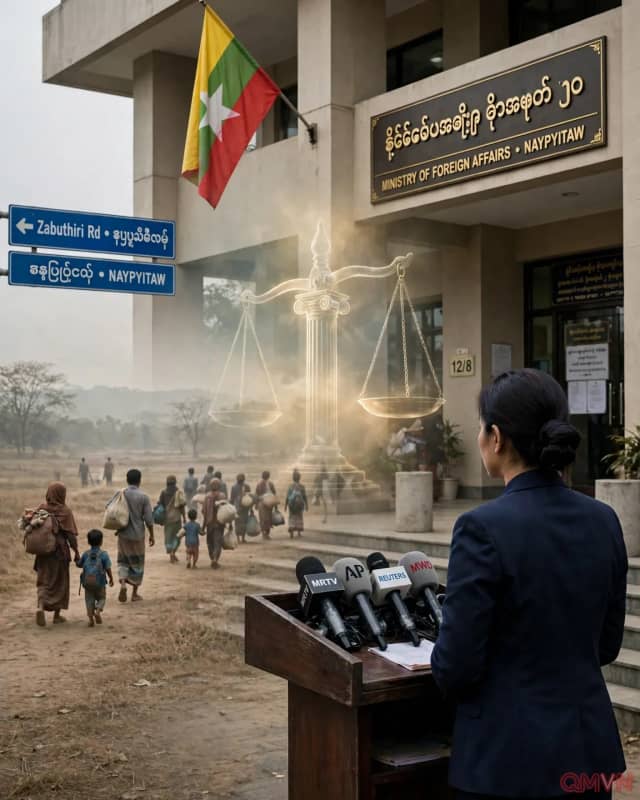
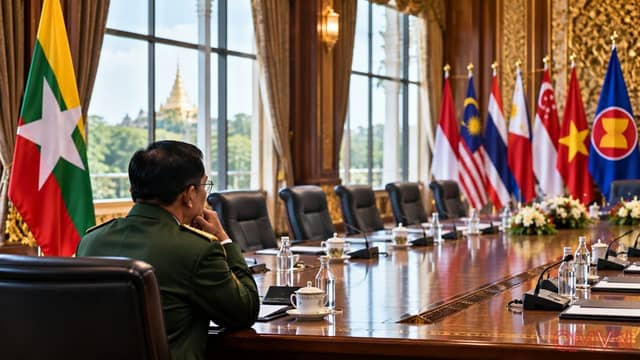
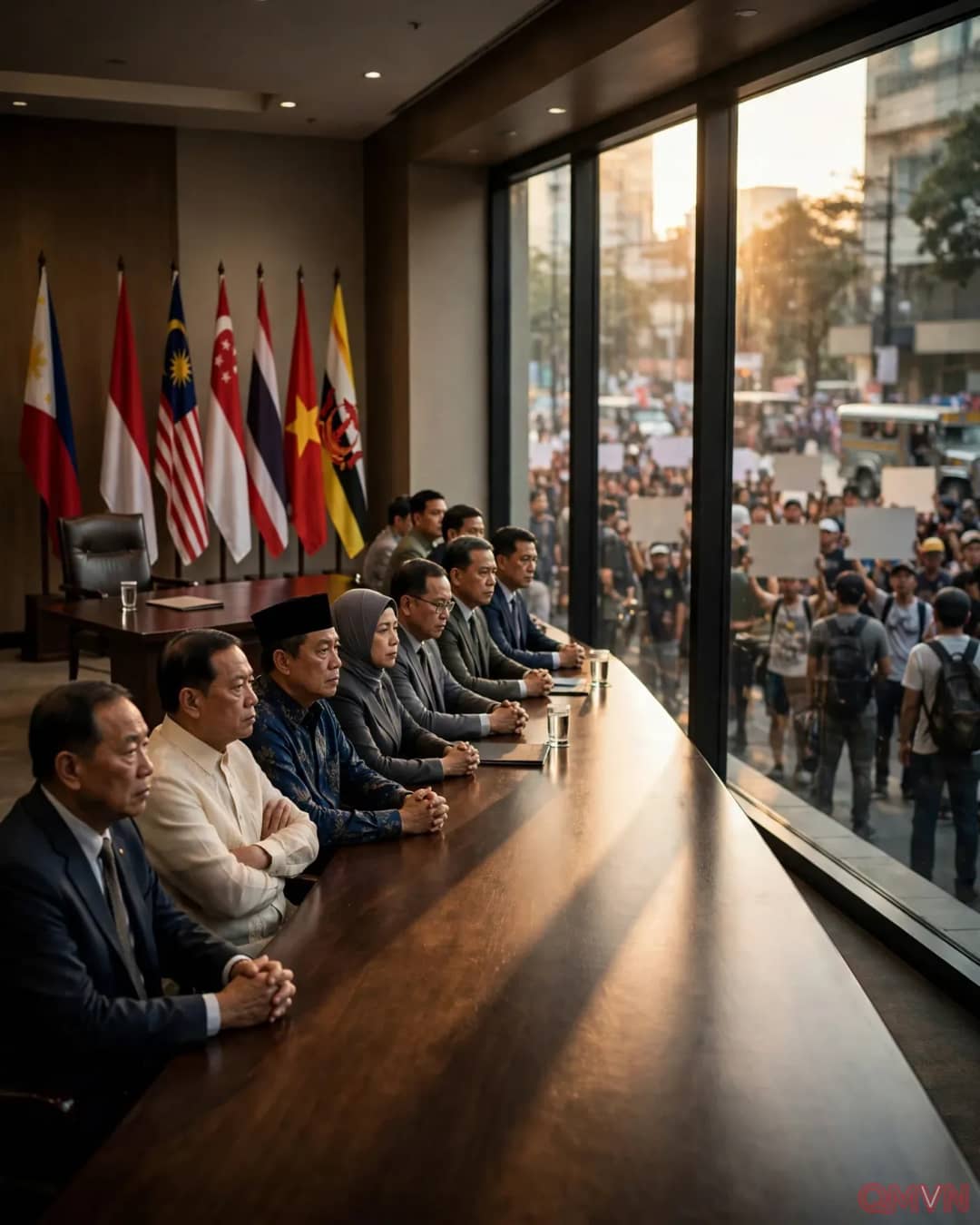
On Sunday, Nov. 15, as ASEAN leaders gathered at the Philippine International Convention Center in Pasay City, Metro Manila, Myanmar’s seat once again did not belong to its head of state. In it sat Han Win Aung, director-general of the ASEAN Affairs Department at Myanmar’s Foreign Ministry – a lower-level career diplomat, in line with the rule the bloc has applied for years.
According to The Associated Press, after reviewing progress on the Five-Point Consensus, the leaders voiced “deep concern” over insufficient progress. They urged all parties in Myanmar, “in particular the armed forces, security forces and armed groups,” to de-escalate violence, stop targeted attacks on civilians and civilian infrastructure, and strengthen trust-building efforts. The ban on Myanmar’s leader and foreign minister will remain “until there is meaningful progress in the implementation” of the plan.
The Five-Point Consensus: a promise still unfinished after nearly five years
ASEAN adopted the plan in April 2021, just two months after the coup, with the agreement of Min Aung Hlaing himself, then the army chief. It calls for an immediate end to violence, a dialogue among all parties mediated by an ASEAN special envoy, humanitarian assistance, and envoy access to all sides. Nearly five years on, most of those commitments remain on paper.