MAIN CONTENT
A diplomatic restriction remains in place
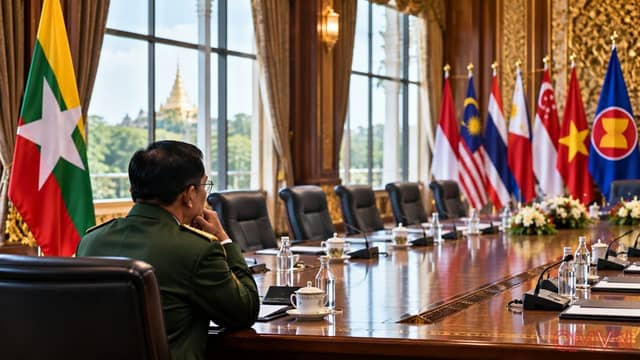
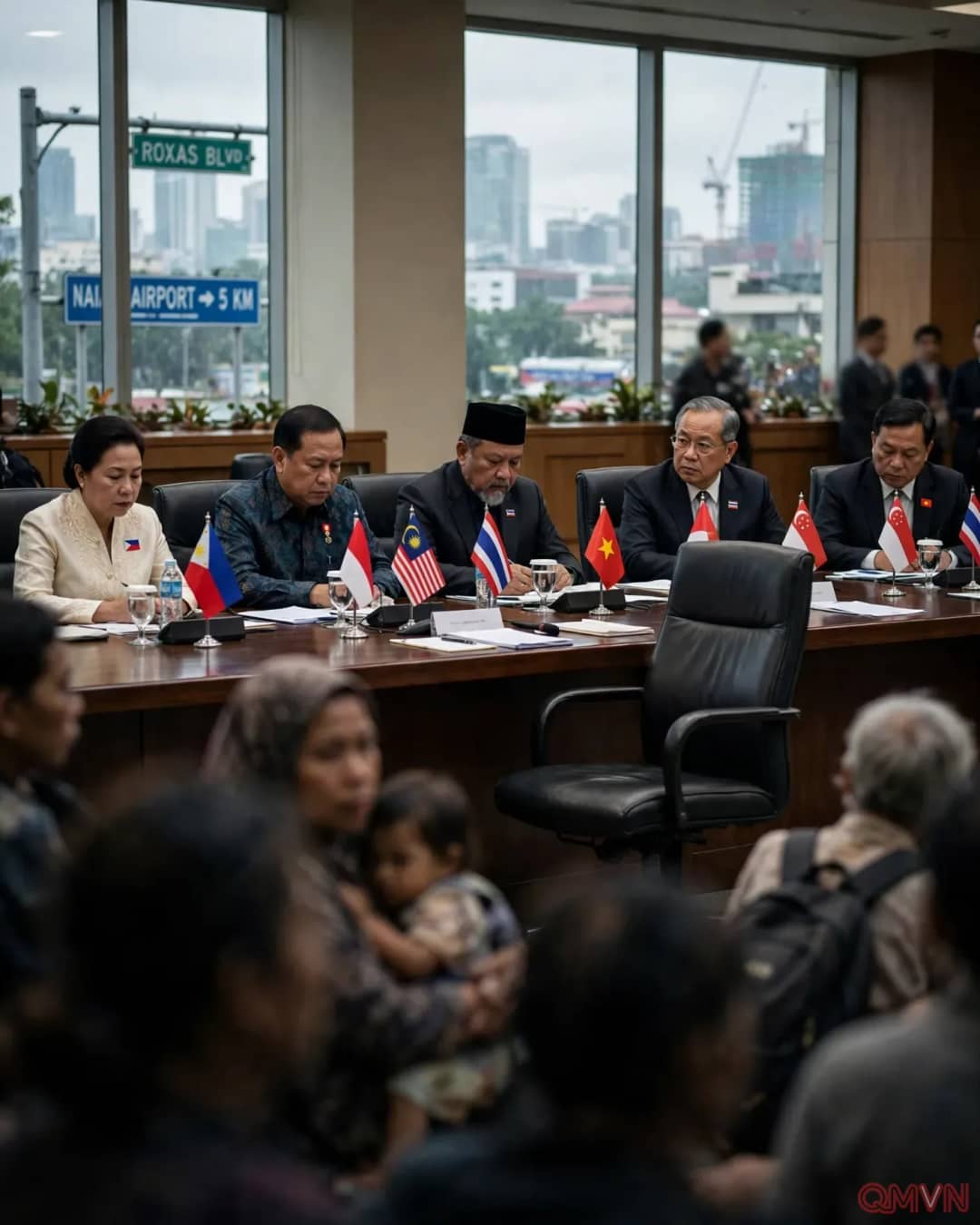
At the 49th ASEAN Summit, member states agreed that Myanmar would continue to send only non-political representatives to summits and foreign ministers’ meetings. President Min Aung Hlaing and his military-backed administration’s foreign minister therefore remain outside those senior forums. The restriction does not expel Myanmar from ASEAN, and cooperation through other sectoral bodies can continue.
The November 15 decision also leaves room for a phased return. ASEAN said restoring full political representation would depend on sustained and concrete advances under the Five-Point Consensus. That formulation preserves diplomatic leverage while offering a conditional way forward, rather than describing exclusion as a permanent destination.
The peace plan and the reality on the ground
ASEAN adopted its Five-Point Consensus in April 2021, following the military overthrow of Aung San Suu Kyi’s elected administration. The framework calls for an immediate halt to violence, constructive dialogue, mediation through an ASEAN envoy, humanitarian aid and engagement with relevant stakeholders.
Five years later, a plan still being cited at every summit has not itself delivered a cessation of hostilities.
In its formal review, ASEAN expressed deep concern about the conflict and humanitarian emergency, condemned attacks on civilians and public facilities, and urged all parties to exercise restraint. The appeal encompasses the military, security forces and other armed organizations. It also recognizes a principle that transcends competing political claims: civilian suffering cannot be treated as an incidental cost of a struggle for power.
Humanitarian access is a practical measure of progress
There have been limited openings for engagement and aid. ASEAN's official document welcomed visits to Myanmar by Philippine Foreign Secretary Ma. Theresa P. Lazaro, the chair’s special envoy. It also described an AHA Centre humanitarian mission beginning in late October, intended to reach more than 11,000 households, including communities in previously unreached townships. Such work illustrates the tangible value of keeping communication channels open.
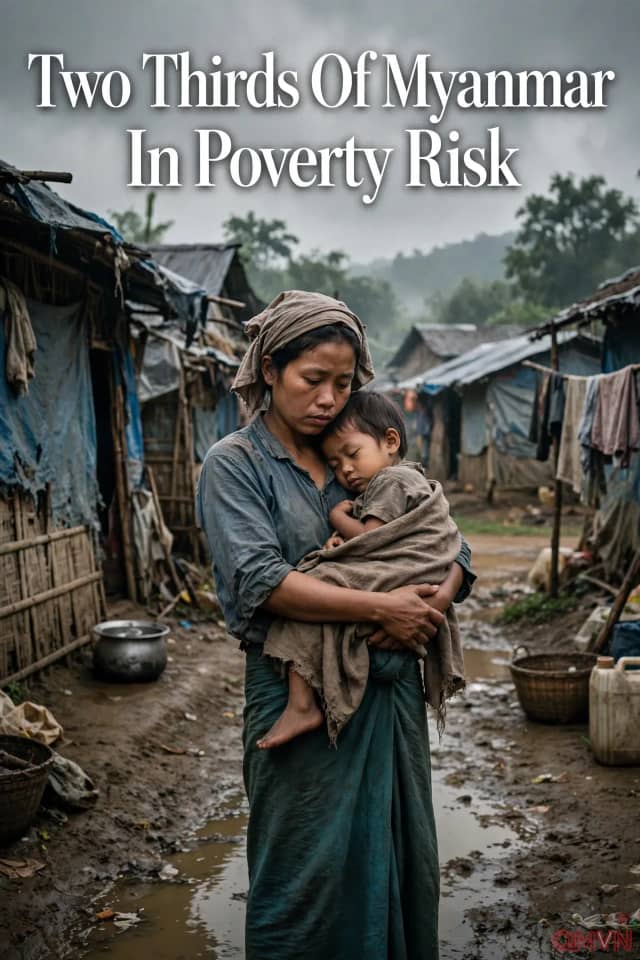
But relief figures alone cannot answer the central questions: are families safe from aerial attacks and fighting, and can displaced people return? AP cited the Assistance Association for Political Prisoners as recording more than 8,600 people killed and 32,406 arrested by security forces since the coup, as of mid-November. These monitoring figures are one measure of repression and should not be confused with a comprehensive death toll for the entire civil war.
Engagement without surrendering the conditions
Reuters has described different approaches within Southeast Asia. Some governments favor more contact with Nay Pyi Taw, while others warn that premature relaxation could weaken ASEAN’s demands. Min Aung Hlaing has pursued bilateral visits in 2026, but meeting individual member states does not automatically confer a seat at the bloc’s highest-level gatherings.
Philippine President Ferdinand Marcos Jr., chairing ASEAN in 2026, has emphasized principled and constructive engagement anchored in the Five-Point Consensus. The real stakes extend beyond protocol: whether communities affected by war can receive assistance, escape violence, and have a meaningful voice in determining their country’s political future.