MAIN CONTENT
A longer work requirement and a new gateway
The Department of Home Affairs announced on November 17, 2026, that the specified-work requirement for a second Working Holiday Maker visa would increase from roughly three months to four months from March 1, 2027. The shift is commonly described as moving from 88 to 120 days. People seeking a third visa will still need six months of specified work where that requirement applies. Crucially, the rule does not mean every tourist must accept a rural job: it affects the route to an additional year for applicants subject to the programme's work conditions.
From the same date, applicants for second and third visas outside the British exemption will need a Next Year Regional Work Guarantee. They must register their interest and receive an invitation before applying once the remaining eligibility criteria, including any specified work, have been fulfilled. Registrations open on December 1, 2026, and the first monthly invitation round is expected in mid-January 2027. A guarantee is not a visa approval, and receiving an invitation does not waive the underlying immigration or employment requirements.
The difficult balance between regional labour and migration
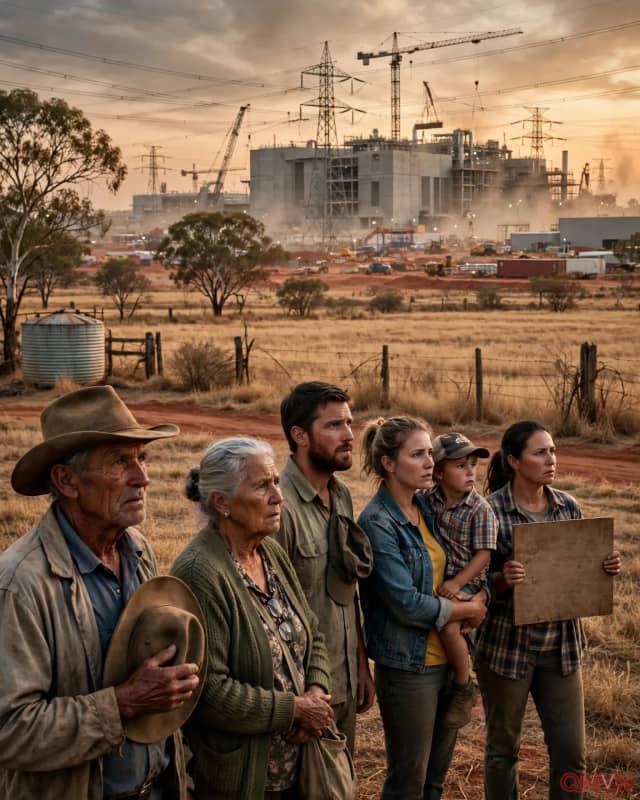
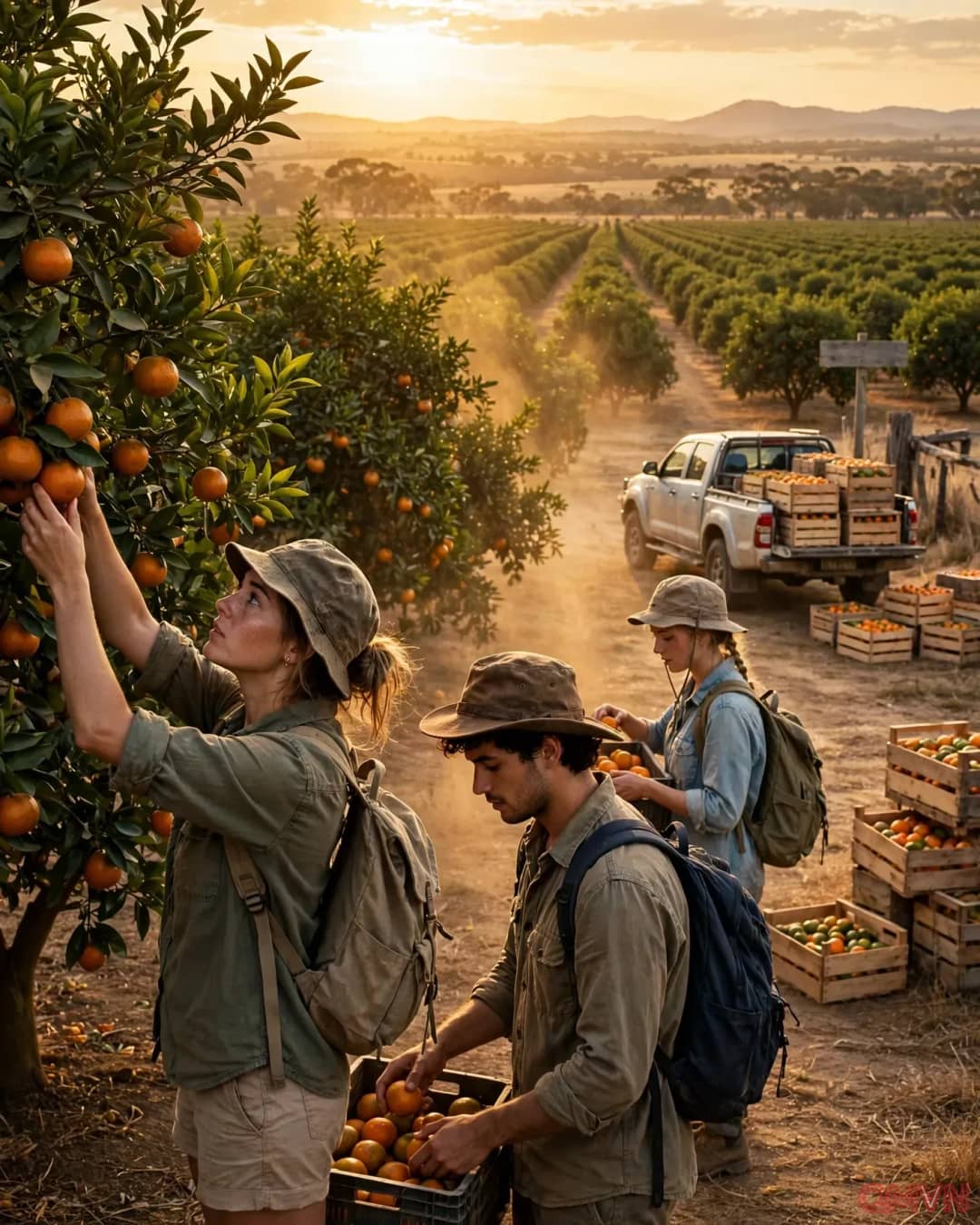
The government is trying to solve two problems that do not fit neatly together. Farms need harvest labour, regional hotels need staff during peak seasons, and hospitality operators often depend on temporary overseas workers. At the same time, migration has become politically sensitive amid pressure on housing and public services.