A haunting moment in the Strait of Hormuz
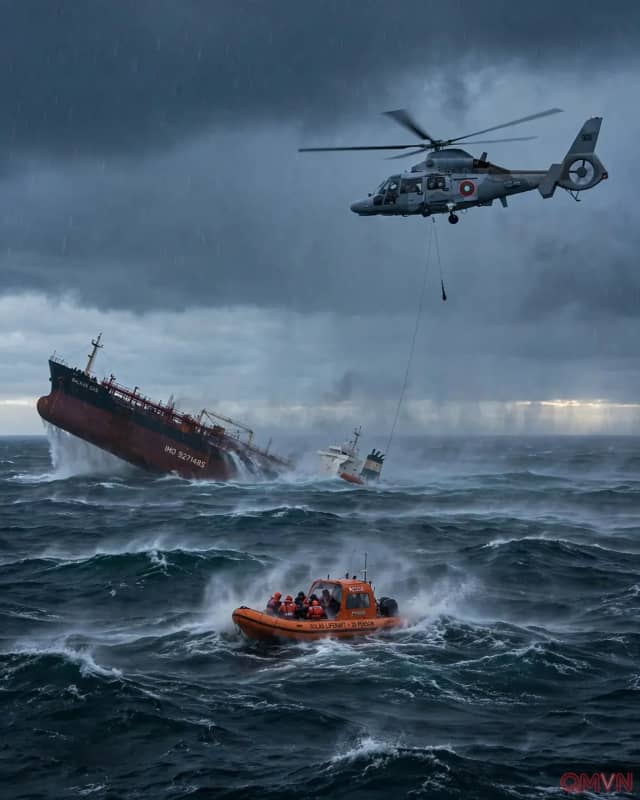
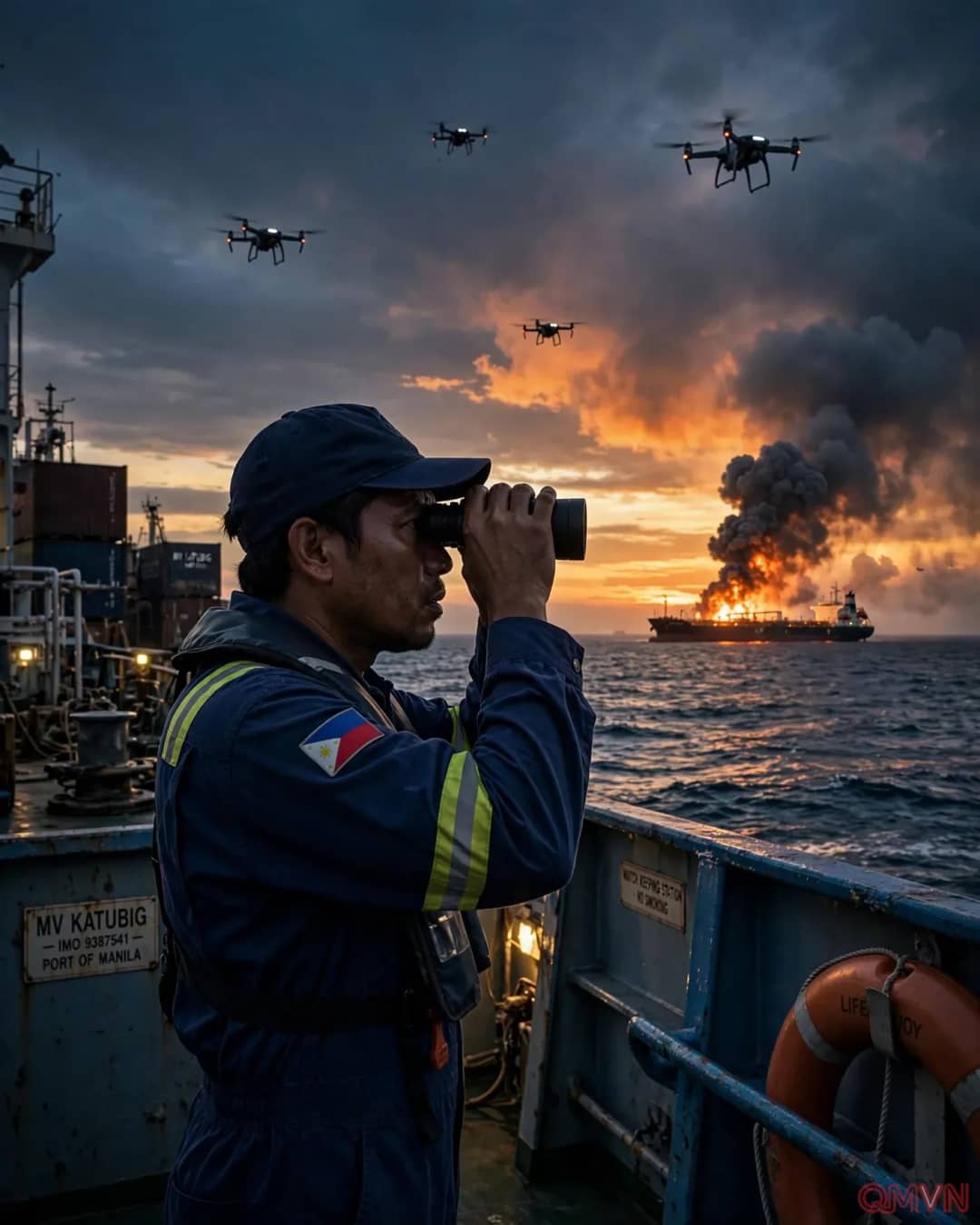
One evening in August, Jay, a 29-year-old Filipino seafarer, was on lookout duty as his ship passed through the Strait of Hormuz. Drones swept overhead, and within seconds an explosion rang out from the tanker ahead. His real name has been withheld to protect him from possible retribution by his employer.
That was traumatic for me when I saw that the tanker ahead of our vessel had been hit. We never talked about what happened; it was done. We would move on and proceed to the next voyage.
The right to refuse, on paper
In March 2024, the Philippines' Department of Migrant Workers (DMW) issued a memorandum establishing seafarers' right to refuse to sail through high-risk areas such as the Red Sea and the Gulf of Aden. Those who refuse are entitled to repatriation help and two months' basic wages, and recruitment agencies cannot bar them from future contracts. The rule came after Houthi rebels attacked a commercial vessel in the Red Sea, killing two Filipino seafarers and injuring three others.
According to the DMW, nearly 1,500 seafarers have exercised this right over the past three years. In September, 10 seafarers who refused to sail through the Strait of Hormuz returned home safely. However, Arnold de Vera of the University of the Philippines Law Centre said workers' protection still depends heavily on recruitment agencies and foreign employers, and enforcement becomes complicated when disputes go to court.