MAIN CONTENT
The threat is real and European institutions now say so openly
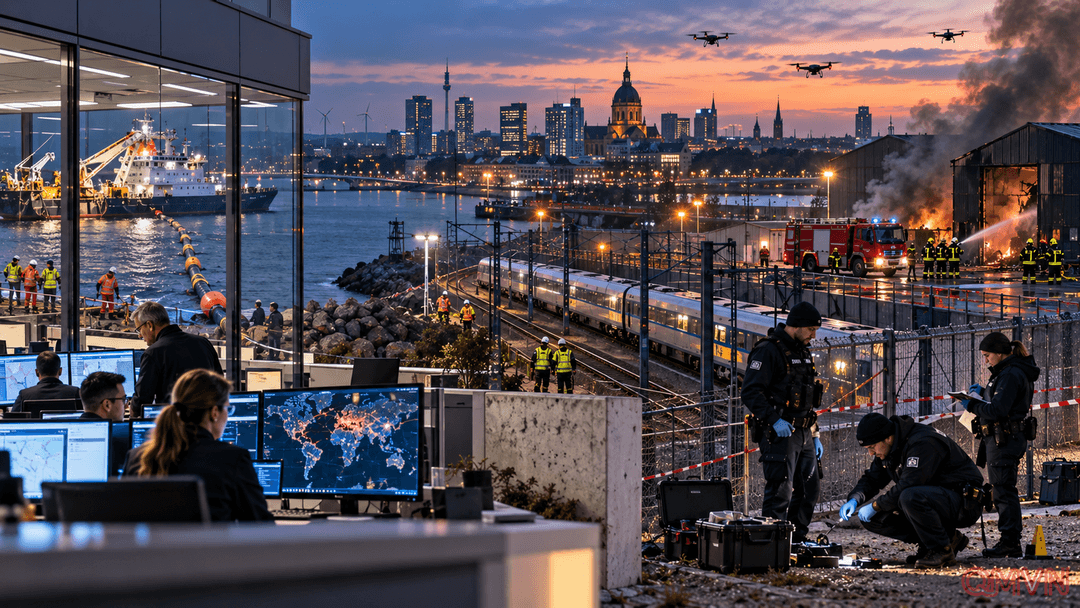
The Council of the European Union in 2026 again described Russian hybrid activity as a persistent campaign involving sabotage, disruption of critical infrastructure, malicious cyber operations, information manipulation and political interference. NATO has similarly pointed to airspace violations, attempted arson, sabotage and assassination plots as signs of a changed security environment. These assessments are not built on a single incident but on years of cases investigated by national authorities.
Frequently cited examples range from the poisonings of Alexander Litvinenko in 2006 and Sergei and Yulia Skripal in 2018 to sabotage cases involving warehouses or facilities linked to support for Ukraine and suspicions surrounding undersea cables, energy systems, railways and logistics hubs. Moscow has repeatedly rejected Western allegations. The strategic logic of gray-zone activity is precisely to impose costs while keeping attribution difficult and remaining short of an unmistakable act of war.