MAIN ARTICLE
What the 75% estimate really means
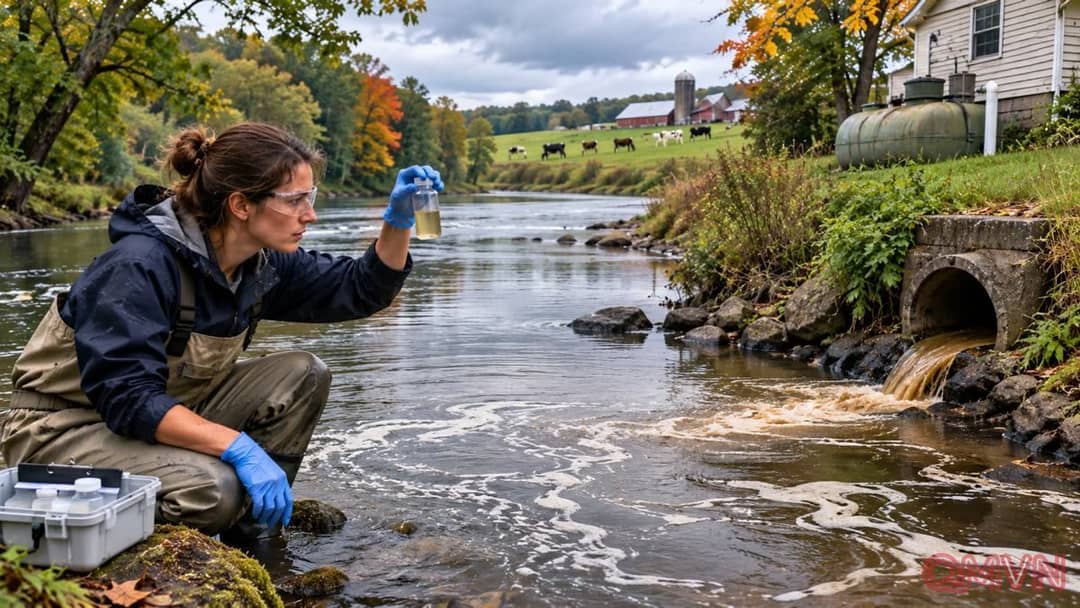
An investigation by Bridge Michigan, carried by the Associated Press, described an alarming pattern: results gathered to date led environmental officials to estimate that about three in four Michigan rivers and streams could fail standards for safe water contact because of E. coli. The state has roughly 76,000 miles of waterways, and only a portion has been assessed. The figure is an estimate of the breadth of the problem, not a claim that every site is unsafe throughout the year.
E. coli serves as a marker of contamination from human or animal feces. A positive sample does not itself identify every illness-causing organism or pinpoint the source, but high levels can signal exposure to other bacteria, viruses and parasites. In some locations concerns extend beyond swimming to wading and paddling, activities that may seem harmless on a pleasant day.
The changing nature of water quality matters. Heavy rain can sweep manure and urban waste into tributaries; readings may ease during drier periods. The appearance or smell of a river cannot establish safety. Residents should use recent monitoring results, local health advice and posted warnings rather than assuming clear water means clean water.