Tears and cheers in Cox's Bazar
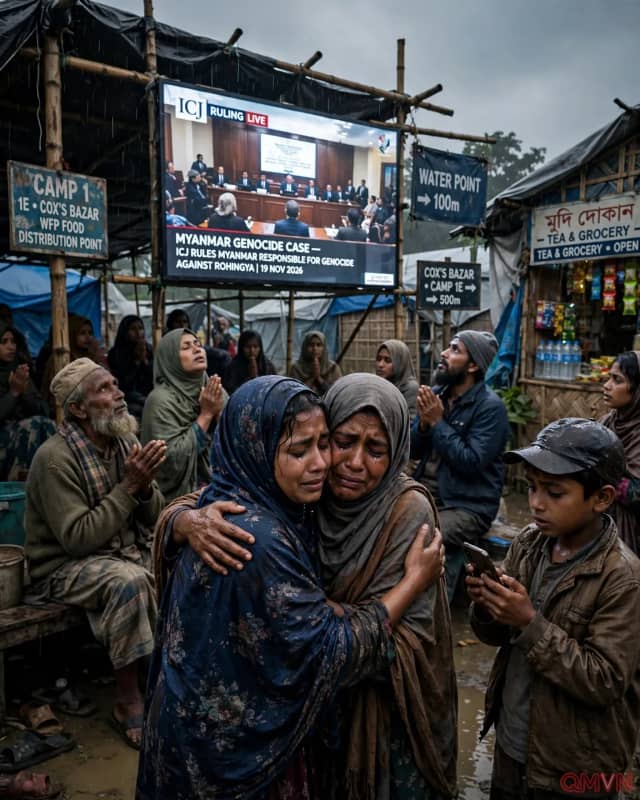
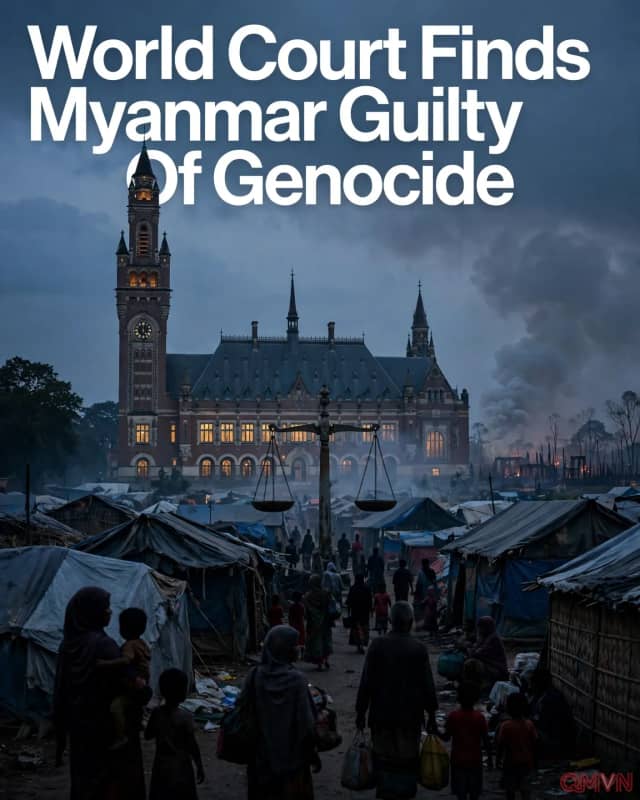
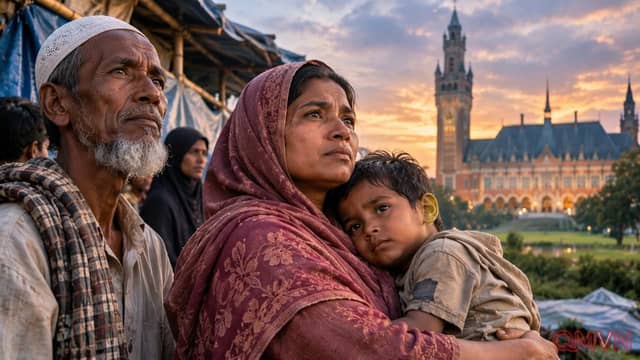
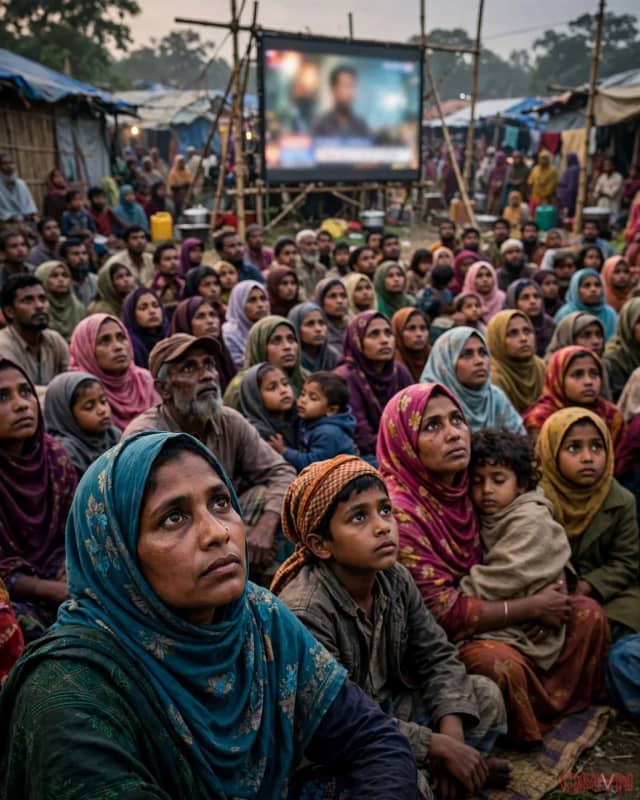
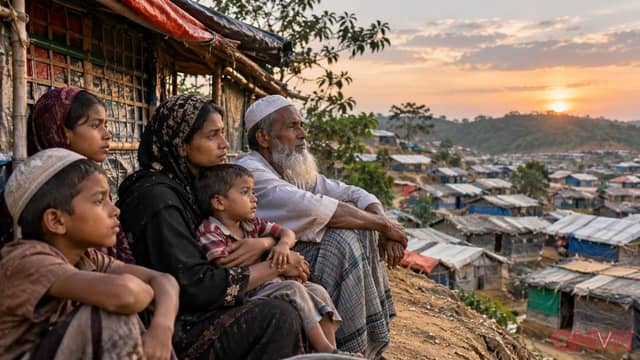
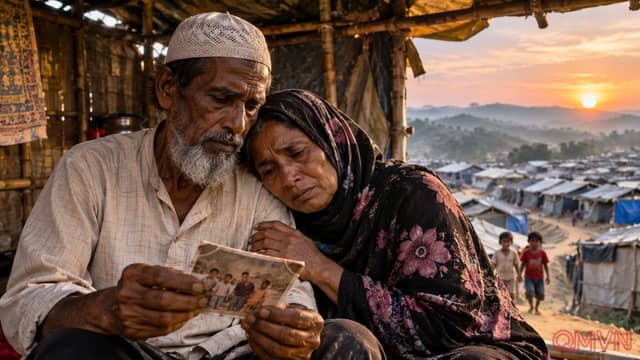
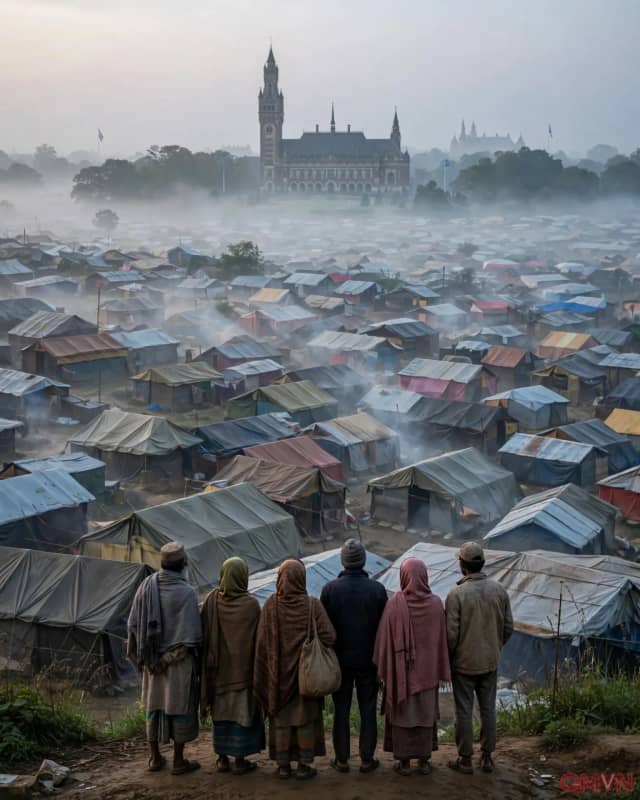
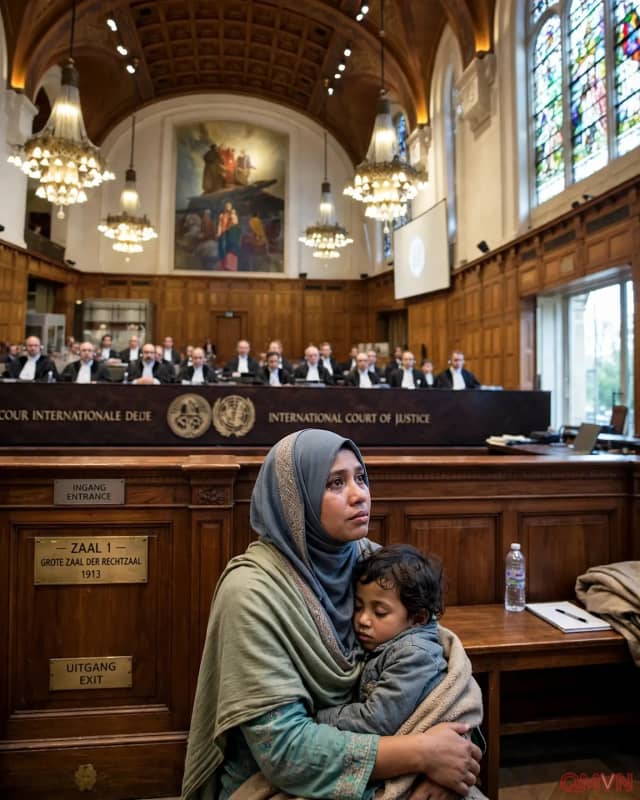
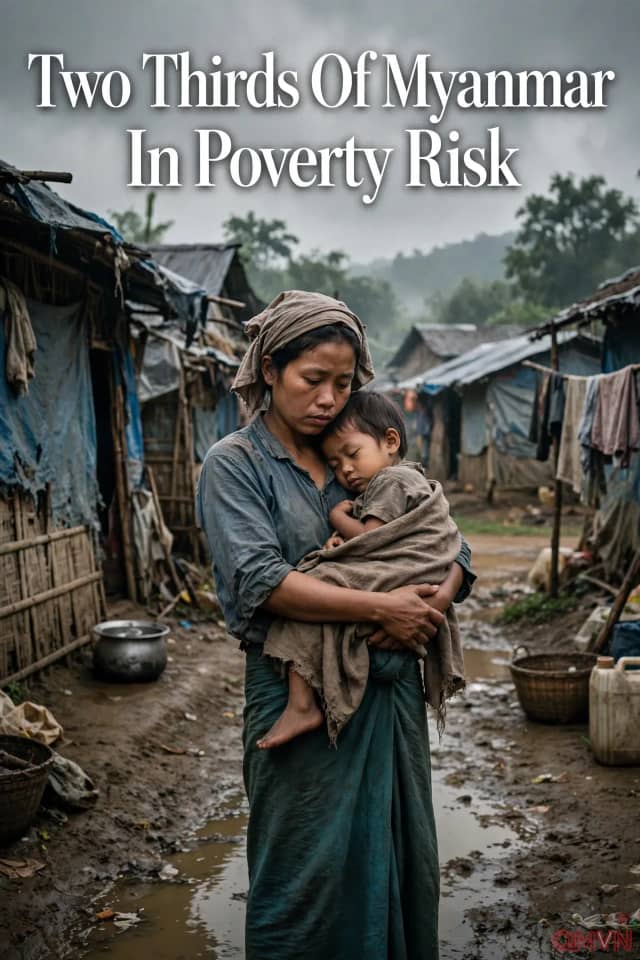
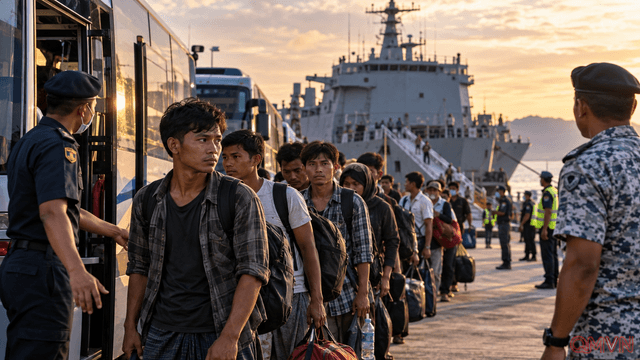
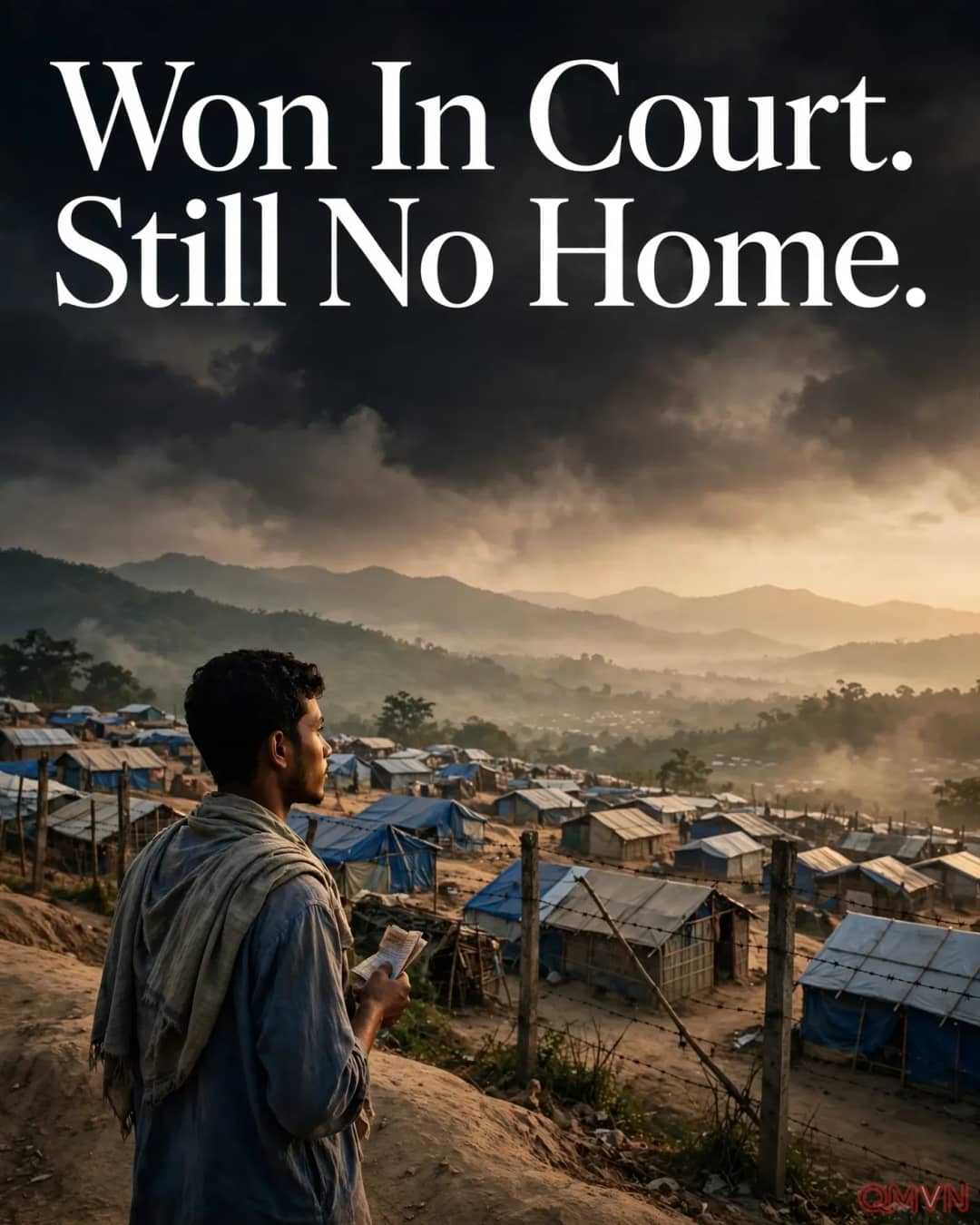
Gathered before large screens set up in the camps, Rohingya refugees watched the verdict delivered live from The Hague. For a community stripped of citizenship, driven out and long forgotten, hearing the world's highest court formally name genocide was a moment many had awaited for nearly a decade. The ICJ rebuked Myanmar's military for mass executions, sexual violence and arson, and its orders include ensuring the Rohingya can return safely to their homeland.
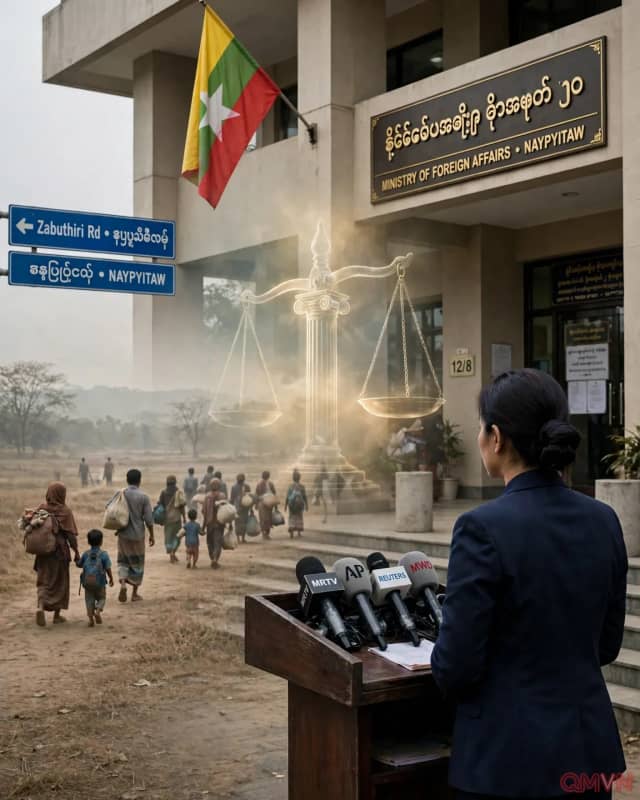
The judgment is final and cannot be appealed, and Myanmar is legally bound to comply – although the ICJ has no means of enforcing it. Myanmar's military-backed government said on November 20 that the decision was not unanimous and was unfair, insisting the country had been unjustly accused. Analysts say the authorities are unlikely to embrace repatriation.
A war that blocks the road home
Six years after about 750,000 Rohingya fled the military crackdown at the heart of the genocide case, fighting between Myanmar's army and the Arakan Army flared again in Rakhine State in late 2023, sending more people across the border into Bangladesh. The Arakan Army, one of Myanmar's most powerful armed groups, now controls nearly all of Rakhine State, including the areas to which most refugees would return.