MAIN CONTENT
Defiant pushback from the capital Naypyitaw
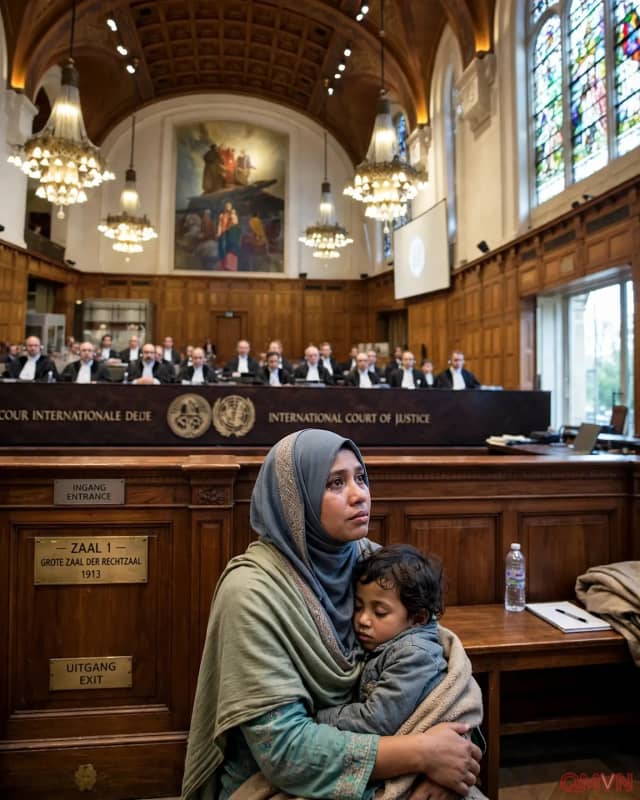
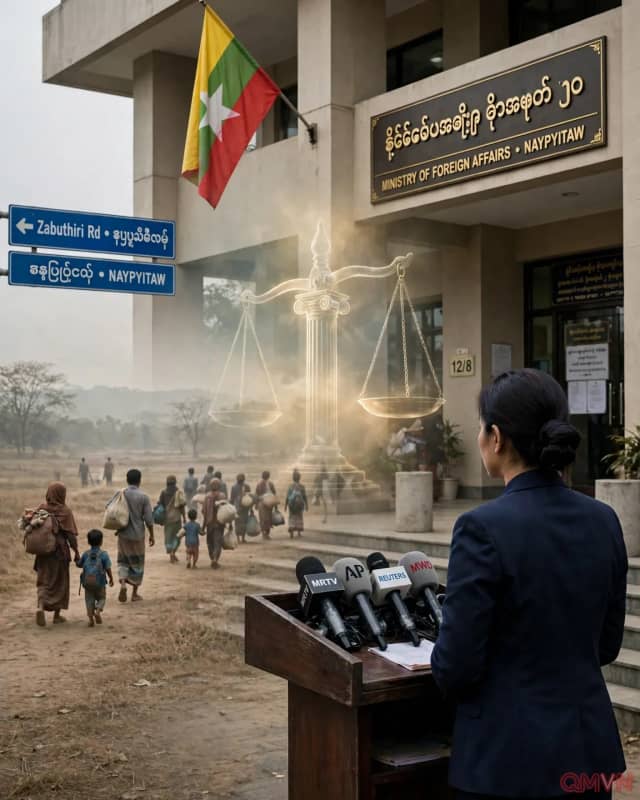
One day after the International Court of Justice delivered its historic verdict in The Hague, Netherlands, officials in Myanmar convened a press briefing in Naypyitaw to denounce the outcome. Government spokesperson Khaing Khaing Soe emphasized that the ruling did not reflect a unanimous consensus among the judicial panel and insisted that her country had been subjected to unfounded allegations.
Asked how authorities intended to respond to the legal obligations laid down by the court, Khaing Khaing Soe referenced past remarks by major world leaders suggesting that political bodies akin to the International Court of Justice should refrain from overstepping their judicial authority.
"Our country was unjustly accused. I want to say that this decision is not a unanimous decision by everyone, it is not fair." Khaing Khaing Soe
Grave findings inside the 191-page judgment
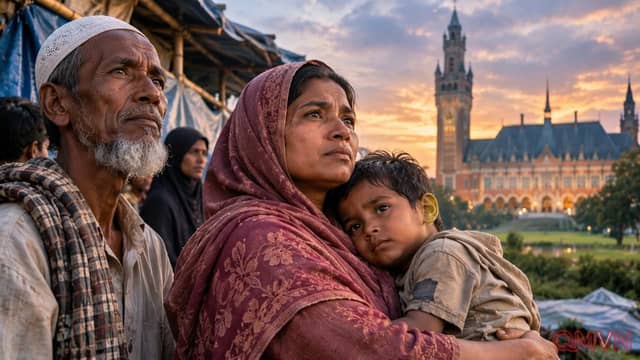
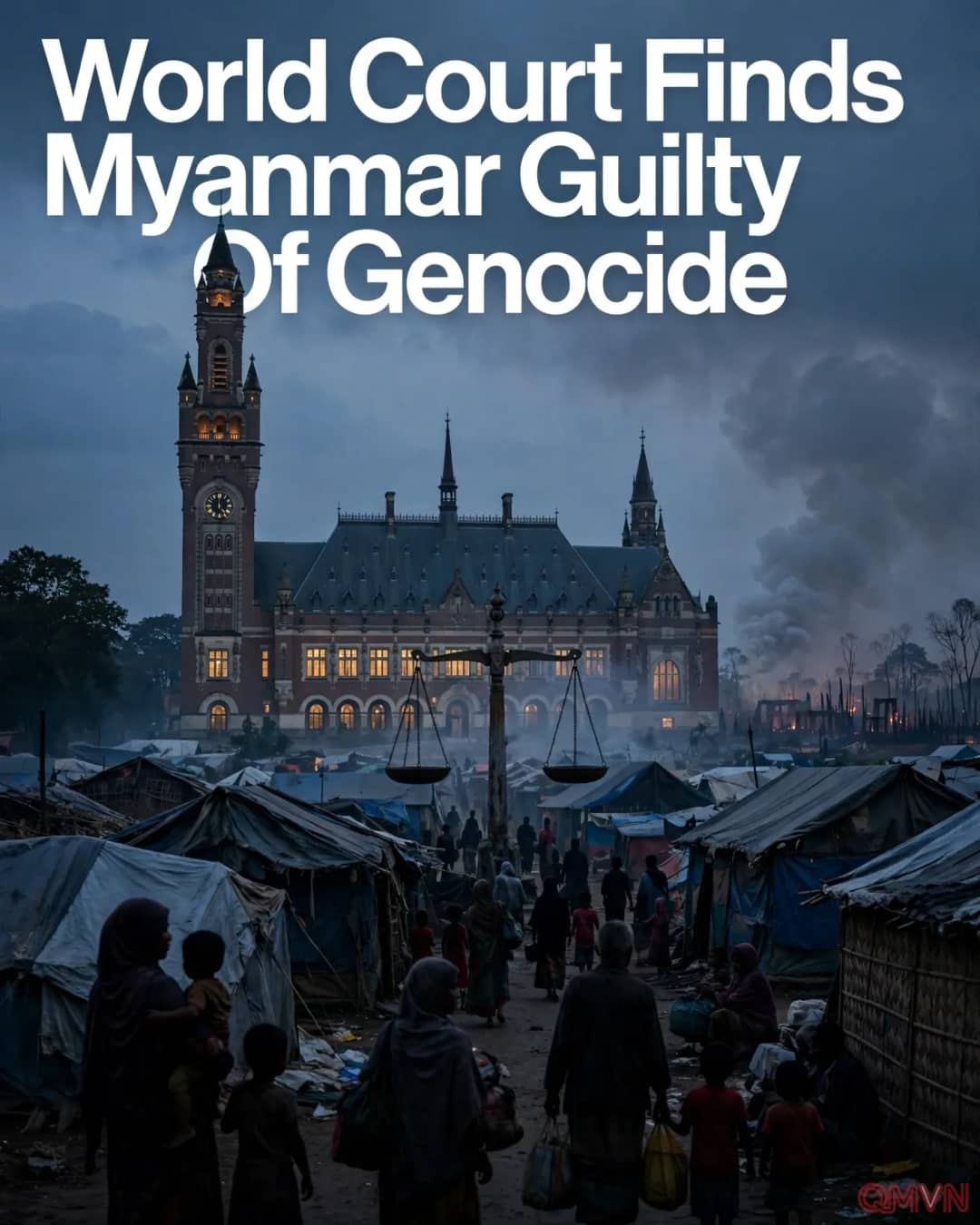
Seven years after predominantly Muslim Gambia filed the landmark case, United Nations judges concluded that Myanmar had breached its obligations under international law. The ruling marks only the fourth time since the Nazi Holocaust that an international tribunal has found the legal threshold for genocide to be satisfied, and the first occasion on which the International Court of Justice has held a sovereign state directly responsible: