MAIN CONTENT
The crisis that put executive security in focus
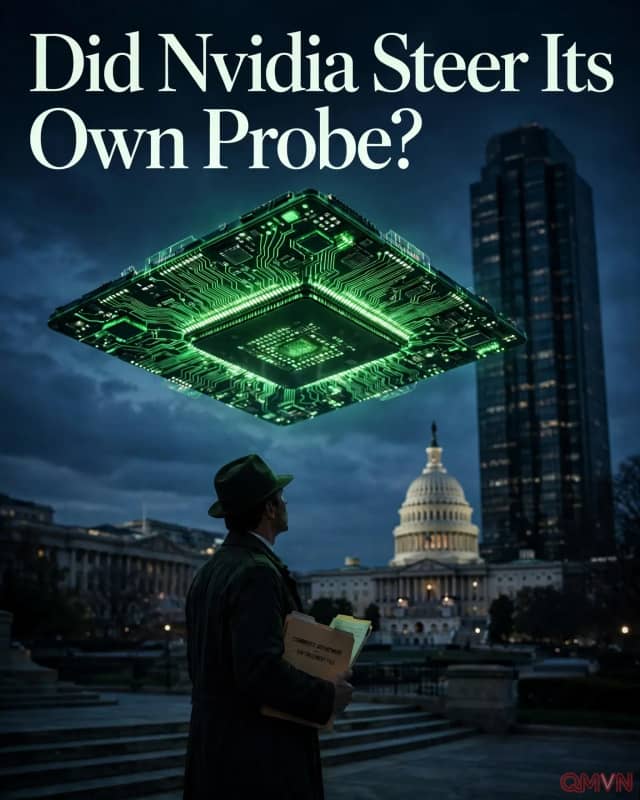
Reuters reported that Huang’s exit followed scrutiny of reported personal relationships and potential vulnerabilities. The underlying espionage allegations remain contested. Nvidia stated that it did not believe national security or company information had been compromised; that assurance should not be confused with a completed public accounting of every allegation. China has denied the claims. The distinction between an accusation, a security investigation and a proven breach is especially important when reputations and strategic businesses are at stake.
The immediate business question extends beyond one executive. Nvidia supplies the computing infrastructure on which many AI developers depend, and its leadership relationships reach chip foundries, memory makers, cloud providers and governments. A company can preserve its technical roadmap while still facing uncertainty over oversight, succession and trust. The episode highlights why boards increasingly view executive exposure as an enterprise risk rather than a private matter alone.
A new market for intelligence experience
Former government investigators are moving into a corporate security market whose demands increasingly resemble those of national intelligence services. Christopher Falkenberg of Insite Risk Management told Reuters that AI companies have absorbed substantial security talent and that demand exceeds the supply of relevant experience. Hiring data tracked by Revelio Labs show more explicit counterintelligence positions appearing at leading AI firms in recent years, with many advertised salaries between $200,000 and $500,000.