MAIN CONTENT
Control of the federal purse and the threat of government shutdowns
Under the US Constitution, Congress controls federal spending, giving lawmakers direct leverage over President Donald Trump's request to expand the defense budget from roughly $950 billion to $1.5 trillion alongside an extra $67 billion for the Iran war. Democrats have rejected that proposal and even floated cutting off war funds ahead of the December 11 government funding deadline.
"A Republican Congress is not going to send bills to a Republican president that he's going to veto, so if that's their demand, well, we'll just wait until next year." Tom Cole
Although House Appropriations Committee Chair Tom Cole stated Republicans will stand behind Trump for the remainder of this year, Democrats taking control in January can insert riders into spending bills barring funds for hostilities against Iran or withhold authorization in the annual National Defense Authorization Act, forcing Trump to choose between compromise or risking a government shutdown.
War powers legislation and the two-thirds veto override hurdle
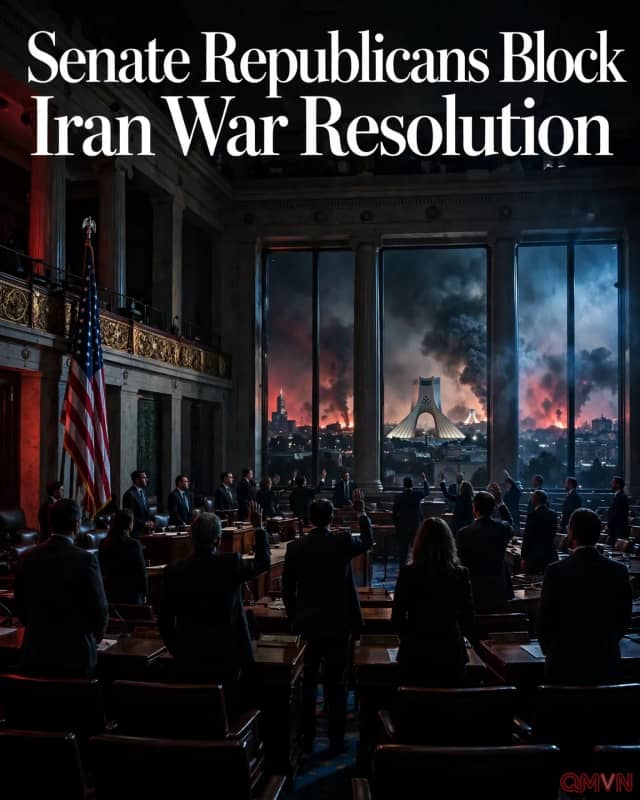
Trump launched military strikes alongside Israel on February 28 without prior congressional approval, prompting repeated war powers votes—including one resolution that cleared both chambers only to be disregarded by the administration amid legal debate over whether it was binding.